
Chimney Maintenance
Keep your system safe with Chimney Maintenance that prevents leaks, blockages, and wear Protect your chimney for dependable year-round use

Inspections

Fires Prevented

Chimney Sweeps

Chimney Repairs
Chimney Maintenance Explained
Chimney maintenance is more than just sweeping out soot. It’s a complete checkup that looks at everything from the flue liner to the crown, making sure each part works together to vent smoke safely and keep water out of your home.
Most homeowners don’t realize their chimney is actually a system made up of multiple components. The flue liner protects the masonry from heat and corrosive gases. The crown seals the top from rain. The flashing keeps water from seeping in where the chimney meets the roof. The damper controls airflow. When any of these parts fails, problems spread quickly.
Here’s what that really means. A crack in the flue liner can let heat reach combustible materials in your walls. A deteriorating crown channels water down into the brickwork. Over time, that water freezes and expands, cracking the masonry from the inside out. What starts as a small issue becomes a major repair if left alone.
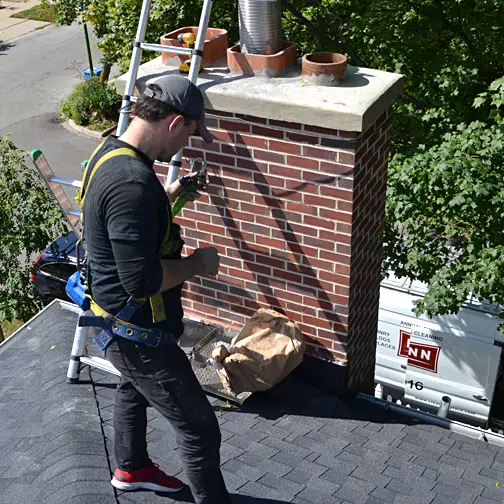
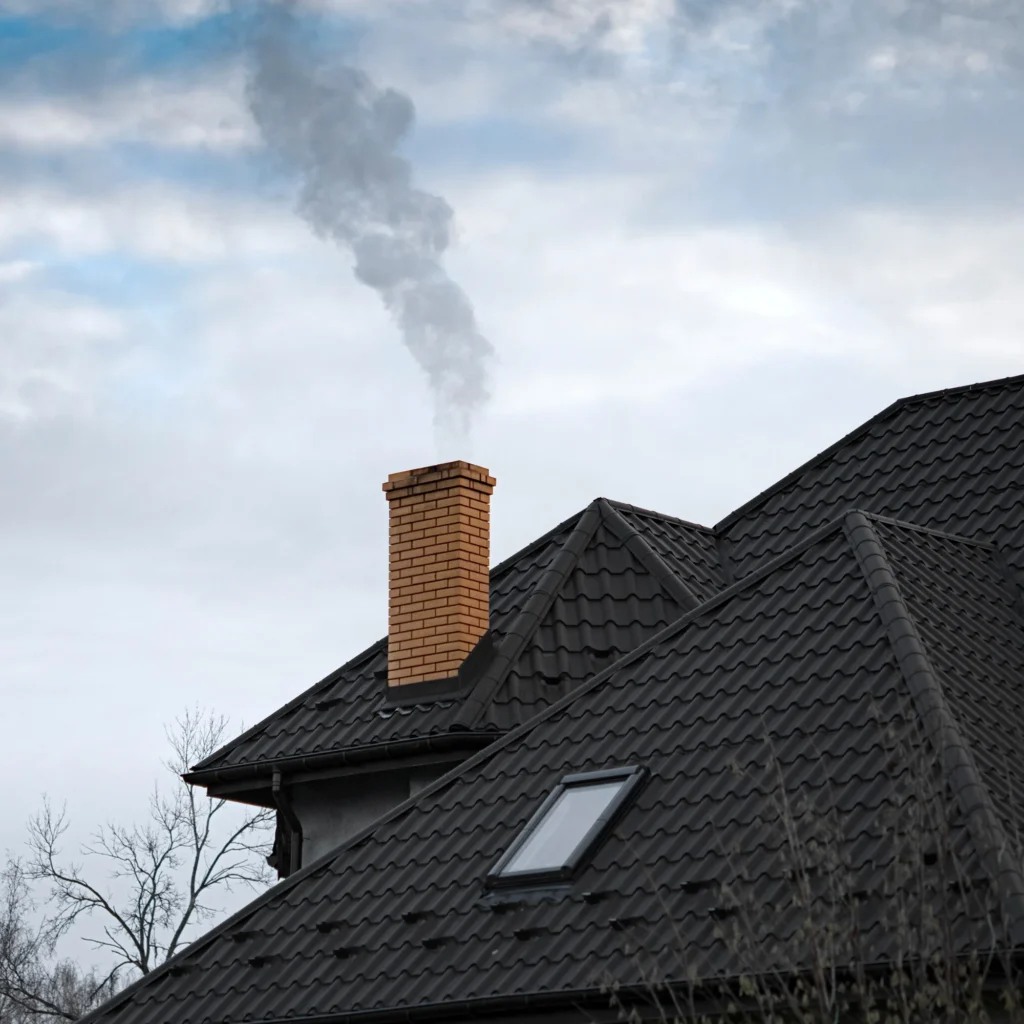
What Gets Checked During Maintenance
A proper maintenance visit covers the entire structure. The sweep checks for creosote buildup, which is that sticky, flammable residue left behind when wood burns. They inspect the flue liner for cracks or deterioration. They examine the masonry for spalling or missing mortar. They look at the crown, cap, damper, and flashing for damage or wear.
The frequency depends on how much you use your fireplace. If you burn wood regularly throughout the winter, annual maintenance makes sense. Light users might stretch it to every two years. But here’s the thing. Even if you rarely use your fireplace, the chimney still sits exposed to weather year round. Rain, wind, and temperature swings cause damage whether you’re burning fires or not.
Let’s be honest. Skipping maintenance doesn’t always lead to disaster right away. But it does let small problems turn into expensive ones. A $300 repair now beats a $5,000 rebuild later.
How Professional Chimney Maintenance Works
When a chimney technician shows up at your door, they’re not just there to sweep and leave. A real maintenance visit follows a structured process that starts with a thorough inspection, moves into cleaning, and wraps up with any minor fixes that keep your chimney working safely.
Most homeowners don’t realize that not all inspections are the same. The industry uses three levels, and which one you need depends on what’s happened with your chimney recently.
The Three Inspection Levels
A Level 1 inspection is the most basic. It’s what you get during routine annual maintenance when nothing has changed with your chimney or how you use it. The technician checks all the accessible parts, looks for creosote buildup, and makes sure the flue and damper are working properly. This is appropriate when you’ve been burning wood regularly with no issues.
Level 2 inspections go deeper. You need one if you’ve changed how you heat, if you’re selling your home, or after any event that could have damaged the chimney like a lightning strike or small chimney fire. The technician uses a camera to inspect the inside of the flue from top to bottom, checking for cracks or gaps that aren’t visible from either end. They also check accessible portions of the attic and crawl space where the chimney passes through.
Level 3 inspections involve removing parts of the chimney or home structure to access hidden damage. This only happens when a serious problem is already suspected.
The Cleaning and Repair Process
After the inspection, the technician uses specialized brushes to scrub creosote deposits from the flue walls. They’ll drop a brush down from the roof or work from the fireplace, depending on your chimney’s design. The goal is to remove the flammable buildup that accumulates from burning wood.
During this visit, they might tighten a loose damper, replace worn gaskets, or recaulk the chimney crown. These are small fixes that prevent bigger problems down the road.
Why Chimney Maintenance Matters for Your Home
Your chimney does more than vent smoke. It removes dangerous gases from your home while creating the draft needed for your fireplace or heating appliance to work properly. When maintenance gets ignored, several problems develop that put your home and family at risk.
The most serious concern is carbon monoxide buildup. When creosote accumulates inside the flue or debris blocks the chimney, combustion gases can’t escape like they should. Instead, they back up into your living space. Carbon monoxide has no smell and no color, so you won’t notice it until symptoms appear. What usually happens is the blockage restricts airflow just enough that the system seems fine, but gases are slowly seeping back inside.
Chimney fires are another real issue. Creosote is flammable. When it builds up to about an eighth of an inch thick, it can ignite from normal fireplace heat. These fires burn extremely hot, sometimes over 2,000 degrees. They can crack your flue liner, damage masonry, and spread to the wooden framing around the chimney. Most homeowners don’t realize how quickly creosote accumulates, especially if they burn softwoods or don’t maintain high enough fire temperatures.
Performance and Structural Problems
Draft efficiency suffers when the flue gets coated with buildup or when the cap and crown start deteriorating. Poor draft means smoke enters your home instead of rising up and out. It also makes fires harder to start and keep burning. You end up using more wood for less heat.
Regular maintenance catches these issues while they’re still manageable. That’s the real value.
Common Misconceptions About Maintaining Your Chimney
Most homeowners believe that if their chimney looks fine from the living room, everything must be working as it should. That’s rarely the case. A lot happens inside a chimney that you can’t see from the hearth, and some of the most common assumptions people make can lead to real problems down the line.
Gas Fireplaces Still Need Attention
One of the biggest myths is that gas fireplaces don’t require any maintenance because they burn clean. Here’s what that really means. Gas produces less visible soot than wood, but it still creates byproducts like carbon monoxide and water vapor. Over time, moisture can corrode the flue liner, and debris like bird nests or leaves can block the vent. Without annual inspections, you won’t know if something is restricting airflow until carbon monoxide starts backing up into your home.
Even a small blockage can become dangerous. Gas appliances depend on proper ventilation to exhaust fumes safely. When that pathway gets obstructed, those gases have nowhere to go but back inside.
DIY Cleaning Has Serious Limits
Many homeowners assume they can handle chimney cleaning themselves with a brush and some effort. The reality is more complicated. Creosote builds up in layers, and the glazed, tar-like form that develops from slow-burning fires can’t be removed with a standard brush. It requires specialized tools and often chemical treatments to break down.
What usually happens is homeowners remove the loose, flaky soot near the top and think they’re done. Meanwhile, the hardened creosote deeper in the flue stays put, continuing to build up. That’s the material that ignites during chimney fires.
Professional sweeps also inspect the liner, the crown, the flashing, and the damper. They catch cracks, gaps, and wear that aren’t visible from below. A clean-looking firebox doesn’t mean the chimney itself is safe to use.
Practical Guidance for Homeowners
The best time to address pet accidents is right after they happen. Fresh urine is easier to treat because it hasn’t had time to soak deep into padding or subfloor. If you catch it early, you can often prevent permanent damage. But if the problem has been ongoing or you’re dealing with multiple spots, that’s when professional pet urine carpet treatment becomes necessary.
Most homeowners don’t realize that old accidents can still be releasing odor months later, especially in humid weather. If you notice the smell gets worse on warm days or when the AC runs, that’s because heat reactivates the bacteria in dried urine. It’s not in your head. The odor is actually stronger under those conditions.
Between cleanings, check for new spots by getting down at carpet level with a flashlight. Fresh urine often shows up as a slightly darker or wet area. You can also use a blacklight in a dark room. Urine stains glow under UV light, which helps you find older accidents that have dried and aren’t visible anymore.
Choosing the Right Professional
When you’re looking for help with carpet urine odor removal, ask if they use moisture meters and UV lights to locate hidden contamination. Some companies only treat what’s visible, which leaves odor sources untouched. You also want someone who can explain whether your padding needs replacement or if the subfloor has been affected.
Ask how they handle severe contamination. Dog urine smell in carpet often requires subfloor sealing if it’s soaked through. Cat urine odor in carpet tends to be more concentrated and may need enzyme treatments that sit for several hours.
Before service, remove furniture from affected rooms if possible. Take photos of the stains you know about. And be honest about how long the problem has been happening. That information helps the technician choose the right approach for pet urine removal from carpet.
Chimney Maintenance FAQs
How often should I have my chimney inspected?
The National Fire Protection Association recommends annual inspections, but what you actually need depends on how much you use your fireplace. If you burn wood regularly throughout winter, you’re creating creosote deposits that build up faster. Homes that use their fireplace once or twice a year might stretch inspections to every other year. Here’s the thing. Even if you rarely use it, animals can nest in the flue during warmer months, and weather can crack the crown or damage the cap. Most homeowners don’t realize that an unused chimney still needs attention because moisture and temperature swings cause deterioration whether you’re burning fires or not.
What happens if I don’t clean my chimney regularly?
Creosote accumulates on the chimney walls every time you burn wood. This black, tar-like substance is highly flammable. When it builds up to around an eighth of an inch thick, you’re at serious risk for a chimney fire. These fires can reach temperatures over 2000 degrees and spread to your roof structure within minutes. Beyond fire risk, creosote also restricts airflow, which means smoke backs up into your home instead of venting outside. You’ll notice a smoky smell, poor draft, and possibly carbon monoxide issues. That’s usually when problems start showing up in ways you can’t ignore.
Can I clean my chimney myself?
You can purchase brushes and rods to sweep your chimney, but most homeowners underestimate what’s involved. You need to get on the roof safely, use the right size brush for your flue, and actually remove all the creosote and soot, not just push it around. The bigger issue is that you won’t know if there are cracks, gaps in the mortar, or a damaged liner unless you know what to look for. Professional sweeps use cameras and lights to inspect while they clean. They spot problems before they become expensive repairs or safety hazards. If you’re comfortable with heights and have the equipment, you can handle basic maintenance between professional visits.
What causes creosote buildup in chimneys?
Creosote forms when wood smoke cools and condenses on the chimney walls. Burning green or wet wood creates more smoke and lower temperatures, which accelerates buildup. Softwoods like pine also produce more creosote than hardwoods like oak. When you restrict airflow by closing the damper too much or don’t have enough combustion air, you’re creating a smoldering fire that generates thick smoke. That smoke moves slowly up a cool chimney and leaves behind heavy deposits. Over time, this leads to thick, crusty layers that are difficult to remove and extremely flammable.
How do I know if my chimney needs repairs?
Start by looking at the exterior. Cracked or missing mortar between bricks, a damaged chimney crown, or rust on the cap are visible signs. Inside, check for water stains on the ceiling near the fireplace or a damp smell coming from the firebox. White staining on the brick, called efflorescence, means moisture is seeping through. If you notice pieces of tile or masonry falling into the firebox, your flue liner is deteriorating. Let’s be honest, most damage happens where you can’t see it. That’s why inspections matter, especially after severe weather or if your chimney is more than 20 years old.
Conclusion
Chimney maintenance isn’t something you check off once and forget. It’s more like knowing your home well enough to notice when something’s off. The more you understand how your chimney works, what it needs, and what can go wrong, the less likely you are to face expensive surprises down the road.
Most homeowners don’t realize that the damage happens slowly. A small crack doesn’t announce itself. Water doesn’t flood in all at once. Creosote builds up over months of regular fires. By the time you see a stain on the ceiling or smell smoke in the living room, the problem has usually been developing for a while.
That’s why attention matters more than urgency. An annual inspection gives you a clear picture of what’s happening inside your chimney before it becomes something you have to deal with immediately. Cleaning keeps the flue clear so combustion gases leave your home the way they should. Repairs done early cost less and protect the parts of the system that are harder to replace.
Here’s the thing. Your chimney is built to last, but only if it gets what it needs. Regular care keeps it working safely. Knowledge about how it functions helps you spot the early signs of trouble. And paying attention to the details means you’re protecting your family and your investment without spending more than necessary.
You don’t need to be an expert. You just need to treat your chimney like what it is. A working part of your home that deserves consistent care.
Frequently Asked Questions
How Often Should I Have My Chimney Cleaned?
Most homeowners should have their chimney inspected once a year and cleaned as needed. If you regularly use a wood-burning fireplace, creosote can build up inside the flue over time. This buildup is highly flammable and can increase the risk of a chimney fire. Even if you don’t use your fireplace often, debris, animal nests, and moisture can still create safety concerns. An annual chimney inspection helps ensure your fireplace and chimney system remain safe, clean, and ready to use throughout the year.
How Much Does a Chimney Inspection Cost?
The cost of a chimney inspection depends on the type of inspection required and the condition of the chimney. Basic inspections are typically less expensive, while more detailed inspections may include specialized equipment such as chimney cameras to evaluate the entire flue system. A professional inspection can help identify potential issues before they become costly repairs, making it one of the most valuable investments homeowners can make for their fireplace and chimney.
Is a Chimney Inspection Really Necessary If Everything Seems Fine?
What Are the Signs That My Chimney Needs Repair?
Will Homeowners Insurance Cover Chimney Repairs?
What Is Included in a Professional Chimney Inspection?
A professional chimney inspection typically includes a thorough evaluation of the chimney structure, fireplace, flue, chimney cap, crown, masonry, and other visible components. The technician checks for damage, blockages, creosote buildup, water intrusion, and potential safety hazards. Depending on the inspection level, specialized camera equipment may also be used to inspect areas that cannot be seen from the ground or fireplace opening. After the inspection, homeowners receive recommendations for any cleaning, maintenance, or repairs that may be needed.