
Chimney Cap Repair
Expert Chimney Cap Repair to stop water entry, prevent debris buildup, and keep your chimney protected with a secure, fully functioning cap

Inspections

Fires Prevented

Chimney Sweeps

Chimney Repairs
Chimney Cap Repair Explained
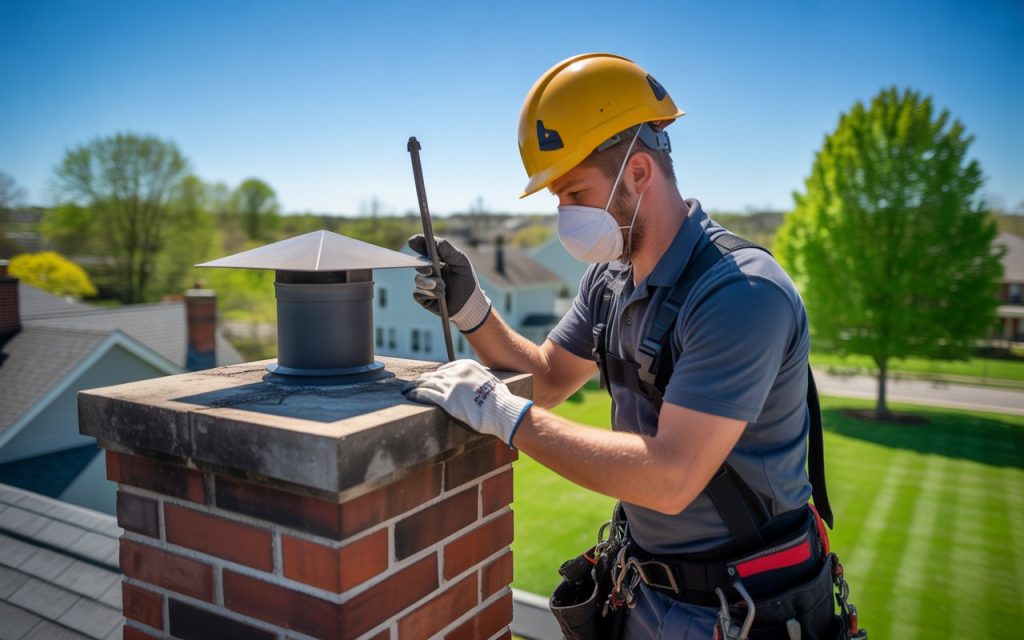
A chimney cap is the metal cover that sits on top of your chimney flue. It’s a simple piece of hardware, but it does a lot. The cap keeps rain, animals, and debris out of your flue while letting smoke escape. Most caps have three main parts: a flat or peaked metal cover on top, wire mesh screening around the sides, and a mounting flange or clamp that holds everything in place.
Over time, these caps take a beating. They’re exposed to rain, heat from your fireplace, freezing temps in winter, and constant sun. That’s usually when problems start. The metal rusts through in spots. The mesh screening pulls away or develops holes. The mounting hardware loosens. The cap itself bends or warps from wind or falling branches.
Chimney cap repair means fixing that damage instead of replacing the whole unit. Here’s what that really means. If you’ve got a small rust hole in the metal cover, a technician can patch it. If the screening has come loose from the frame, it can be reattached with new welds or fasteners. Bent frames can sometimes be straightened and reinforced. Loose mounting clamps can be tightened or replaced without swapping out the entire cap.
When Repair Makes Sense Versus Replacement
Most homeowners don’t realize that not all chimney cap damage requires a full replacement. If the overall structure is still solid and the damage is localized, repairing your chimney cap is often the better option. What usually happens is a small rust spot or one section of damaged mesh gets noticed during a routine inspection, and fixing just that part costs a fraction of installing a new cap.
That said, if the metal is rusted through in multiple places, the frame is heavily corroded, or the cap has been crushed or severely bent, replacement makes more sense. Repair works best when the damage is caught early and the rest of the cap is still in decent shape.
How Chimney Cap Repair Works
The first step is getting up there and figuring out what’s actually wrong. Most homeowners don’t realize how much damage can hide until someone inspects the cap up close. You’re looking for rust holes, torn mesh, loose mounting hardware, or bent frames. Each type of damage needs a different fix.
Safe roof access matters more than most people think. A sturdy extension ladder with standoff brackets keeps you from leaning directly on gutters. Once you’re on the roof, you need to position yourself safely near the chimney. Steep roofs or wet conditions make this riskier. That’s usually when professionals use harnesses or roof jacks.
Common Repair Techniques
For small rust holes in the metal crown, welding patches works if the surrounding material is still solid. You clean the rusted area, cut a patch slightly larger than the hole, and weld it in place. This only makes sense when the rest of the cap is in decent shape. If rust has spread across most of the surface, patching turns into a band-aid on a bigger problem.
Torn mesh is one of the easier fixes. You remove the damaged screen by cutting out the old hardware or drilling out rivets. Then you cut new mesh to size, secure it with stainless steel screws or rivets, and make sure every edge overlaps the frame. Gaps let animals right back in.
Loose caps often just need tightened or replaced mounting screws. Over time, expansion and contraction work screws loose. Sometimes the screw holes strip out from years of movement. When that happens, you drill new holes slightly offset from the old ones or use larger diameter fasteners.
Bent frames can sometimes be straightened with careful hammering or bending tools. This works when the metal hasn’t cracked. If you see cracks forming while straightening, the metal’s too brittle and needs replacement instead.
After any repair, you test it by checking that the cap sits level, all fasteners are tight, and mesh has no gaps. A quick visual from ground level confirms everything looks secure. The work itself is straightforward, but it requires comfortable roof access and the right tools for metal work.
Why Timely Chimney Cap Repair Matters
A damaged chimney cap might look like a minor problem, but it opens the door to issues that cost far more to fix down the road. Most homeowners don’t realize how much protection that small metal cover actually provides.
When a cap cracks, rusts through, or loses its screening, water starts getting inside. Rain doesn’t just sit on top of the flue. It soaks into the masonry, working its way into the brick and mortar joints. Over time, this leads to spalling, where the brick surface flakes off during freeze-thaw cycles. The flue liner can also crack from constant moisture exposure, which creates dangerous gaps where heat and combustion gases can escape into surrounding wall cavities.
Water damage doesn’t stop at the chimney structure. It travels down and shows up as stains on ceilings, peeling wallpaper, or musty odors in rooms near the chimney. What started as a small cap issue becomes a multi-level repair involving masonry work, liner replacement, and interior fixes.
Animal Entry and Draft Problems
A missing or damaged cap screen is an open invitation for animals. Birds build nests in the flue, squirrels find shelter, and raccoons squeeze in looking for a den. These nests block airflow and create serious fire hazards when you light your fireplace. Removing animals and cleaning out nests is messy work that most homeowners would rather avoid.
Compromised caps also allow downdrafts to push smoke and odors back into your home. Without proper coverage, wind patterns can reverse the natural draft. And if you use your fireplace, damaged caps let sparks escape onto your roof, which creates an obvious fire risk.
Here’s the thing. The cap itself keeps deteriorating once damage starts. Rust spreads, cracks widen, and what could have been a straightforward chimney cap repair turns into a full replacement. A small fix now saves you from chasing down multiple expensive problems later.
Common Chimney Cap Repair Misconceptions
Most homeowners don’t realize how much misinformation exists about chimney cap repairs. These misunderstandings often turn small fixes into expensive problems.
The biggest myth is that all damage means you need a complete replacement. Here’s what that really means. A rusted screen or loose mounting bracket doesn’t require a new cap. Many times, you can replace just the damaged component. What usually happens is homeowners assume the worst and either overspend or ignore the issue entirely because they think it’ll cost too much.
Another common mistake is trying temporary patches. Wrapping torn screening with duct tape or wiring on mesh patches might look like it’s working. But those fixes fall apart quickly, especially with Indianapolis weather swings. Rain gets through the gaps. Animals pull at the weak spots. Within weeks, you’re back where you started, except now water has been getting into the flue.
Some people think a damaged cap is just cosmetic. That’s rarely true. A cap with holes or missing sections lets rain straight down into your chimney. Over time, this leads to rust inside the firebox, moisture damage to the damper, and even water stains on interior walls near the fireplace.
Why Delaying Repairs Creates Bigger Issues
Many homeowners figure they can wait until next season or when they have more time. The problem is that chimney cap damage gets worse, not better. A small rust spot expands. A bent edge lets more rain in. What could’ve been a simple repair becomes a full replacement because the damage spreads.
And here’s the thing about universal or generic caps. Chimneys come in different sizes and shapes. A cap that doesn’t fit properly leaves gaps around the edges. Those gaps defeat the entire purpose. You need the right dimensions and mounting style for your specific flue, not just something that looks close enough.
Practical Guidance for Homeowners
Start by checking your chimney cap from the ground with a decent pair of binoculars. Look for visible rust, bent or missing parts, or gaps where animals could get in. Most homeowners don’t realize you can spot serious damage without climbing a ladder. If the cap looks crooked or dislodged, that’s usually a sign the mounting hardware has failed.
Watch for problems inside your home too. Rust stains running down the exterior brick mean water is getting past the cap. Water pooling in your firebox after a storm is another clear sign. If you hear scratching or chirping sounds from the chimney, birds or squirrels have likely moved in through a damaged cap opening. These issues don’t fix themselves, and they tend to get worse quickly in Mid West humidity.
When to Call a Professional
Here’s the thing. If your cap is rusted through or the crown underneath looks cracked, that’s not a DIY job. Climbing on a roof in Mid West heat is dangerous, and chimney cap replacement usually requires proper flashing work to prevent leaks. Most pros can handle it in under two hours.
If you do call someone, ask how they’ll secure the new cap. Some just set them on top without fastening properly, which doesn’t hold up in our spring storms. Ask if they’ll inspect the flue while they’re up there. A good service will check for creosote buildup or blockages at the same time.
After a chimney cap repair, maintenance is simple. Check it twice a year, ideally before summer storms and again in fall. Brush off leaves and debris from the mesh. If you see rust starting, a light coat of high-heat paint can buy you a few more years. In other words, small attention now prevents expensive repairs later. Most caps last 15 to 20 years in our climate if you keep an eye on them and address minor issues before they turn into water damage inside your home.
Chimney Cap Repair FAQs
How much does chimney cap repair typically cost?
Most homeowners in Indianapolis spend between $150 and $400 for basic chimney cap repairs, though the price depends on what’s actually broken. If the mesh screen is rusted through or the mounting brackets have come loose, you’re looking at the lower end. If the entire cap needs replacing because the metal has deteriorated or cracked, expect costs closer to $300 to $500. Custom caps for unusual chimney sizes run higher. The job usually takes an hour or two, but accessing a steep roof safely adds to the labor cost. What drives the price up is usually the condition of the chimney crown underneath. If that’s crumbling, the cap won’t mount securely and you’ll need crown work done first.
How long does a chimney cap last?
A quality stainless steel cap typically lasts 20 to 30 years, while cheaper galvanized steel caps might give you 10 to 15 years before rust becomes a problem. Here’s what that really means. Indianapolis weather cycles between intense summer heat and occasional winter freezes, which expands and contracts the metal over time. Caps with wider overhangs tend to last longer because they shield the mounting points from direct rain. If you burn a lot of wood, the acidic creosote in smoke will corrode metal faster, especially on bargain caps with thin gauge steel. Most homeowners don’t realize that caps near large trees deteriorate quicker too because falling debris and constant moisture from overhanging branches speed up rust formation.
Can I repair a damaged chimney cap myself?
You can handle minor fixes like tightening loose screws or replacing a bent mesh panel if you’re comfortable on a roof and have the right tools. What usually happens is homeowners underestimate two things: safe roof access and getting a proper seal. Chimney caps sit at the highest point of your roof, often on a steep pitch. One wrong step causes serious injury. The bigger issue is making sure the cap mounts flush against the flue. Even a quarter inch gap lets rain drive underneath, which defeats the whole purpose. If the mounting brackets are corroded or the cap needs complete replacement, that’s when most people call someone in. Let’s be honest, spending a few hours wrestling with a stubborn cap on a hot roof isn’t worth the risk for most folks.
What are signs my chimney cap needs repair?
Rust spots and holes in the mesh screen are the most obvious signs. You might also notice the cap sitting crooked or loose, which means the mounting hardware has failed. Inside your home, water stains on the ceiling near the chimney or a damp smell in the fireplace area often point to a compromised cap that’s letting rain in. Animals getting into your chimney is another clear signal that the screening has deteriorated. During heavy rain, if you hear dripping inside the flue or see water pooling in the firebox, that’s usually when problems start. The cap might look fine from the ground, but up close you’ll find the metal has thinned out or the mortar seal around the base has cracked and pulled away.
What happens if I don’t fix a damaged cap?
Water entering through a broken cap causes the most damage. It soaks into the chimney crown and freeze-thaw cycles crack the concrete. Over time, this leads to bigger structural problems as water reaches the brick and mortar below, gradually deteriorating the entire chimney from the inside out. You’ll also get animals nesting in the flue, which blocks airflow and creates a serious fire hazard when you use the fireplace. Squirrels and raccoons tear up insulation and leave droppings that smell terrible. Rain mixing with soot creates an acidic sludge that eats away at the flue liner. And that’s where it gets expensive, because replacing a damaged liner runs into thousands of dollars compared to a few hundred for cap replacement.
Conclusion
Chimney caps are one of those components that do their job so quietly you forget they’re there. They keep rain out, block animals, and stop downdrafts. Month after month, year after year, they handle whatever the weather throws at them. Until they don’t.
Most homeowners never give their chimney cap a second thought until something forces the issue. A leak shows up on the ceiling. A bird gets stuck in the flue. The draft starts acting strange. That’s usually when the cap comes to mind, and by then, the damage has often moved beyond the cap itself.
Here’s the thing. A cracked chimney cap or a loose crown mount might not look serious at first. It’s easy to put off. But water doesn’t wait. Rust spreads. Gaps widen. What starts as a minor chimney cap issue turns into saturated masonry, damaged flue liners, and repairs that cost far more than fixing the cap would have.
Understanding how your chimney cap fits into the system is the first step to keeping it working the way it should. You don’t need to become an expert. You just need to know what to look for and when to pay attention. A little awareness goes a long way.
The cap is small, but it protects everything below it. Checking it once or twice a year and dealing with small problems when they’re still small keeps the entire system intact. That’s not urgency. That’s just taking care of what you have before it turns into something you can’t ignore.
Frequently Asked Questions
How Often Should I Have My Chimney Cleaned?
Most homeowners should have their chimney inspected once a year and cleaned as needed. If you regularly use a wood-burning fireplace, creosote can build up inside the flue over time. This buildup is highly flammable and can increase the risk of a chimney fire. Even if you don’t use your fireplace often, debris, animal nests, and moisture can still create safety concerns. An annual chimney inspection helps ensure your fireplace and chimney system remain safe, clean, and ready to use throughout the year.
How Much Does a Chimney Inspection Cost?
The cost of a chimney inspection depends on the type of inspection required and the condition of the chimney. Basic inspections are typically less expensive, while more detailed inspections may include specialized equipment such as chimney cameras to evaluate the entire flue system. A professional inspection can help identify potential issues before they become costly repairs, making it one of the most valuable investments homeowners can make for their fireplace and chimney.
Is a Chimney Inspection Really Necessary If Everything Seems Fine?
What Are the Signs That My Chimney Needs Repair?
Will Homeowners Insurance Cover Chimney Repairs?
What Is Included in a Professional Chimney Inspection?
A professional chimney inspection typically includes a thorough evaluation of the chimney structure, fireplace, flue, chimney cap, crown, masonry, and other visible components. The technician checks for damage, blockages, creosote buildup, water intrusion, and potential safety hazards. Depending on the inspection level, specialized camera equipment may also be used to inspect areas that cannot be seen from the ground or fireplace opening. After the inspection, homeowners receive recommendations for any cleaning, maintenance, or repairs that may be needed.