
Chimney Crown Repair
Professional Chimney Crown Repair to stop leaks, prevent moisture damage, and protect your chimney from cracks, wear, and seasonal weather

Inspections

Fires Prevented

Chimney Sweeps

Chimney Repairs
What Chimney Crown Repair Actually Involves
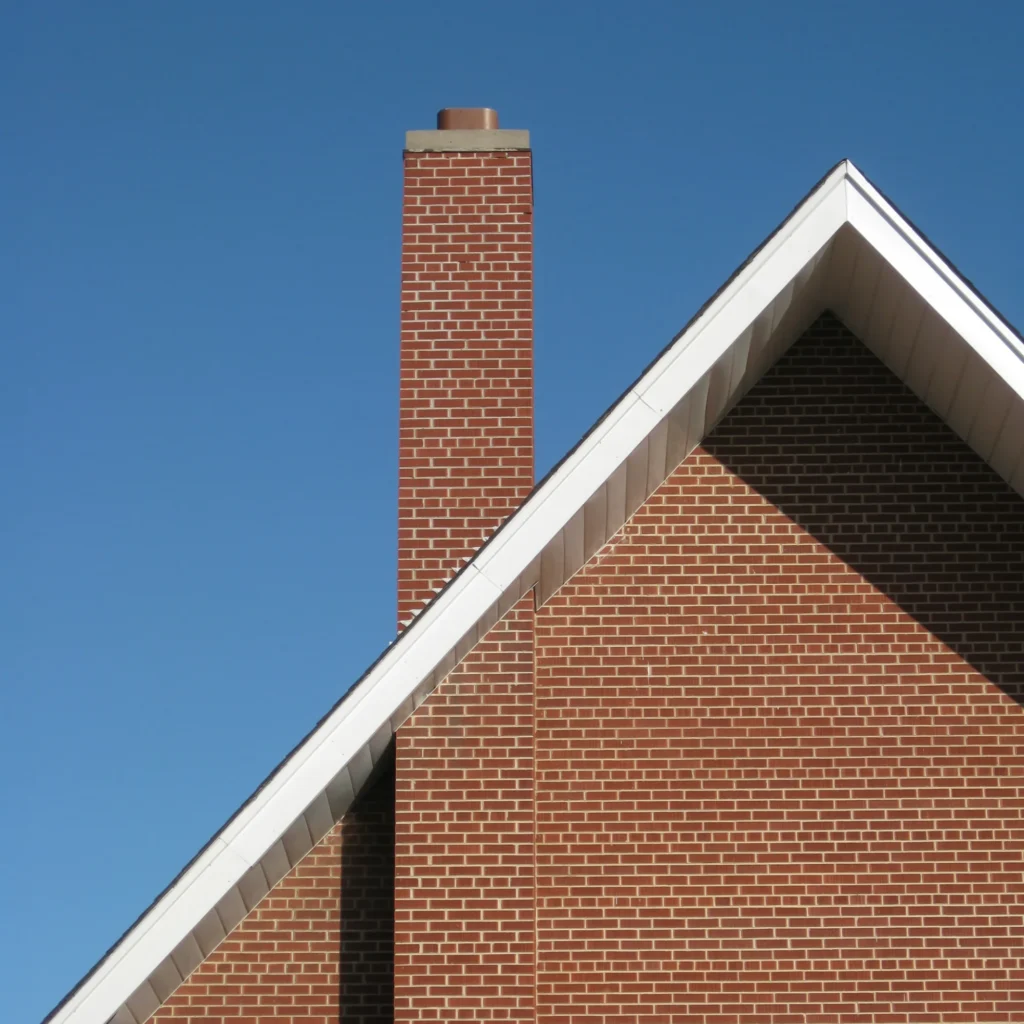
The chimney crown sits at the very top of your chimney. It’s the concrete or mortar slab that covers the opening and seals the masonry structure underneath. Think of it as a protective cap. Its main job is to keep water from seeping into the chimney where the flue meets the brickwork. Without a solid crown, rain and snow work their way into those gaps and start breaking down everything below.
Over time, that concrete cracks. Freeze and thaw cycles do most of the damage here in Indianapolis. Water gets into small cracks, expands when it freezes, and splits the concrete wider. You might see hairline cracks at first. Left alone, those turn into chunks of missing concrete. Sometimes the edges crumble away completely.
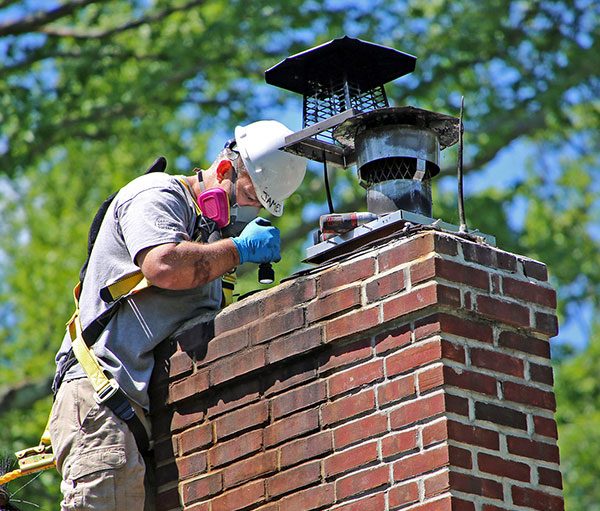
What Repair Actually Looks Like
Chimney crown repair means fixing that damage before it spreads. For minor cracks, a technician will clean out the damaged areas, apply a flexible sealant or patching compound, and coat the surface with a waterproof crown sealer. That handles small surface issues and prevents them from getting worse.
When the deterioration goes deeper, crown resurfacing comes into play. This means applying a new layer of specialized mortar or concrete over the existing crown to restore the protective barrier. It’s more involved than patching but still uses the original crown as a base.
In severe cases where the crown has large missing sections, deep structural cracks, or has separated from the chimney itself, you’re looking at a full crown rebuild. The old crown gets removed down to the top of the chimney structure. Then a new one gets poured with proper slope, overhang, and reinforcement. This is the most comprehensive option and the one that lasts longest when the original crown is beyond saving.
The difference matters because minor patching might cost a few hundred dollars while a complete rebuild runs significantly more. Most homeowners don’t realize how much cheaper it is to catch crown damage early.
How Crown Repair Work Is Performed
Crown repair starts with a close inspection. The mason checks for cracks, missing chunks, surface wear, and whether water has already reached the bricks below. That assessment determines what materials and methods get used. Small hairline cracks need different treatment than a crown that’s crumbling at the edges.
Surface prep matters more than most homeowners realize. Any loose concrete, old sealant, or crumbling material gets chipped away or wire brushed off. If the surface isn’t clean and solid, whatever you apply on top won’t bond properly. It’ll just peel away within a year or two. The crown also needs to be dry before repair materials go on, which is why timing around rain matters.
Application Methods and Materials
For minor cracks, a quality crown sealant gets troweled or brushed into the gaps. It’s flexible enough to handle slight movement without cracking again. Deeper damage needs a patching compound or specialized crown repair mortar. The mason trowels it in, feathering the edges so it blends with the existing surface. If the crown is severely damaged, sometimes it makes sense to rebuild a section or pour a new cap entirely.
Curing time depends on the product and the weather. Most sealants need 24 to 48 hours before they’re fully set. High heat speeds it up. Cold slows it down. Rain during the curing period can ruin the repair, so masons watch the forecast closely.
When You Can Handle It Yourself
Sealing small surface cracks with a quality elastomeric sealant is within reach for most handy homeowners. It’s straightforward if the crown is otherwise solid. But anything involving troweling mortar, rebuilding edges, or working at height on a sloped roof usually requires someone with masonry experience. Poor trowel work leaves low spots where water pools, which defeats the whole purpose.
Why Timely Crown Repair Matters for Your Chimney
A damaged crown doesn’t seem urgent at first. Small cracks or worn spots might look minor from the ground. But here’s the thing. Every crack becomes a direct entry point for water, and that’s where most chimney problems begin.
When rain hits those openings, it doesn’t just sit on the surface. Water soaks into the masonry and works its way down through the bricks and mortar. Most homeowners don’t realize how fast this happens. A single rainstorm can saturate the upper section of a chimney if the crown isn’t doing its job.
What Water Does Inside Your Chimney
Once moisture gets inside, it moves through the porous brick and mortar joints. In Indianapolis, we don’t get hard freezes constantly, but when temperatures drop below freezing even a few times each winter, that trapped water expands. This is called freeze-thaw damage, and it pushes the masonry apart from the inside. Over time, this leads to crumbling mortar, spalling bricks, and gaps that let in even more water.
Metal components don’t handle moisture well either. Your damper assembly and flue liner connections start to rust when they’re exposed to constant dampness. A rusted damper won’t seal properly, which affects your energy costs. A corroded flue liner loses its ability to safely contain combustion gases.
How Damage Spreads Beyond the Crown
Water that enters through a damaged crown doesn’t stop at the top. It travels down through the chimney structure, weakening the bond between bricks, degrading the flue system, and eventually reaching interior walls. That’s usually when problems become visible inside the home. Staining on walls, moisture in the attic near the chimney, or a musty smell that won’t go away.
The longer crown damage sits unrepaired, the more expensive the fix becomes. What starts as a straightforward crown repair can turn into repointing, brick replacement, damper replacement, or even interior water damage restoration. Catching it early keeps the problem contained and the cost reasonable.
Common Misconceptions About Repairing Chimney Crowns
Most homeowners assume a small crack in their chimney crown is just cosmetic. It might look harmless from the ground, but what’s happening is water gets into that crack and starts working its way deeper. When temperatures drop in winter, that water freezes and expands. The crack gets wider. Over a few seasons, that tiny hairline turns into a gap that lets water reach the chimney structure itself.
Another common mistake is thinking roofing tar or basic caulk from the hardware store will fix it. Here’s the thing. Those products aren’t made to handle the constant expansion and contraction that happens on top of a chimney. Roofing tar gets brittle in the sun. Generic caulk peels away when the concrete moves with temperature changes. What usually happens is the repair looks fine for a few months, then it fails completely and you’re back where you started.
A lot of people also confuse chimney crown repair with replacing the flue cap. The cap is the metal cover on top of the flue pipe that keeps rain and animals out. The crown is the concrete slab that seals the entire top of the chimney structure. They serve different purposes. You can have a perfectly good cap and still have a failing crown underneath.
Why DIY Repairs Don’t Hold Up
Homeowners sometimes believe they can save money by patching the crown themselves. The problem is that proper crown repair requires specific materials designed for high heat exposure and extreme weather. Regular concrete cracks under those conditions. The mix needs the right ratio, and the application technique matters. Without proper sloping and sealing, water will still pool and find its way in.
It’s also worth knowing that crown damage isn’t always visible from the ground. You might not see anything standing in your yard, but up close there could be significant deterioration on the side facing away from your view. That’s usually when problems start affecting the chimney’s ability to vent properly.
Practical Guidance for Homeowners Considering Crown Repair
Small surface cracks under a quarter inch can often be sealed with elastomeric caulk designed for masonry. If you see only minor hairline fractures and feel comfortable on a ladder, this kind of spot treatment can buy you some time. Most homeowners don’t realize that once cracks widen beyond that point or you see chunks missing, you’re looking at a job that needs professional attention. The crown has to be properly rebuilt or resurfaced, not just patched.
Here’s the thing. Mid West weather makes timing important. Summer heat above 95 degrees can cause repair materials to cure too fast and crack. Heavy rain during spring months can interrupt curing. Fall and mild winter days usually offer the best conditions for crown restoration work that lasts.
What to Ask Before Hiring
When you’re evaluating quotes for chimney crown repair, ask contractors what method they’ll use. A quality repair typically involves removing loose material, applying a bonding agent, and rebuilding with a proper Portland cement mix or specialized crown coating. Ask how they’ll create the proper slope and overhang. Both matter for water runoff.
Request references and photos of completed crown work. Ask if they’ll inspect the flashing while they’re up there, since water damage often affects both areas. Find out what warranty they offer. One or two years is standard for this type of masonry repair.
Inspection Timing and Warning Signs
Plan to inspect your crown twice a year. Spring, after freeze cycles end, and fall, before winter arrives. Look for new cracks, crumbling edges, or white staining that indicates water penetration. If you notice water stains on your firebox walls or ceiling near the chimney, that’s a sign the crown may already be failing.
Repair costs vary based on damage extent and access difficulty. Minor sealing runs less than full reconstruction. Let’s be honest, putting off repairs only increases the scope of work later. What starts as a simple crown fix can turn into flue liner replacement or masonry rebuilding if water gets inside long enough.
Chimney Crown Repair FAQs
How do I know if my chimney crown needs repair?
Look for visible cracks in the concrete cap at the top of your chimney. Even hairline cracks matter because water seeps in, then freezes and expands during cold snaps, making the damage worse. You might also notice pieces of concrete missing or crumbling edges. Inside your home, water stains on the ceiling near the chimney or a damp smell in the fireplace area often point to crown problems. Most homeowners don’t realize the crown is damaged until they see leaks. If you can safely look at the top of your chimney from a window or with binoculars, check for any separation between the crown and the brick. That gap lets water run straight down into the chimney structure.
What affects the cost of chimney crown repair?
The extent of damage makes the biggest difference. Small cracks can be sealed with specialized crown coating for a few hundred dollars. Full crown replacement costs more because the damaged concrete needs to be removed and rebuilt from scratch. Your chimney’s height and roof pitch also matter. A two-story home with a steep roof requires more safety equipment and labor time. The crown’s size plays a role too. Larger chimneys have bigger crowns that need more material. Access is another factor. If your chimney sits in a tight spot or has obstacles around it, that adds complexity. In Indianapolis, weather conditions can delay outdoor concrete work during extreme heat or rare freezes, which sometimes extends project timelines.
How urgent is chimney crown damage?
It depends on the severity, but crown damage rarely gets better on its own. Small cracks become big cracks. Here’s what that really means. Every time it rains, water enters those cracks and soaks into the brick and mortar below. Over months and years, this moisture breaks down the chimney’s interior structure. You might not use your fireplace much, but the damage continues whether you burn fires or not. If you see large pieces missing or the crown pulling away from the brick, that’s more urgent. Water is already getting inside with every storm. In Indianapolis, our occasional heavy rains and temperature swings speed up deterioration. Address it within a season or two to avoid much costlier repairs to the chimney’s interior masonry and flue liner.
Can I repair my chimney crown myself?
Minor surface cracks might be manageable if you’re comfortable working on a roof and have the right products. Crown seal coatings exist for small repairs. But most crown work isn’t a good DIY project. You’re working at height, which is dangerous without proper equipment and experience. The bigger issue is that crown repair requires specific concrete mix ratios and application techniques. Use the wrong mix or slope, and your repair will crack again within months. Professional masons know how to create the proper overhang and drainage slope so water runs off instead of pooling. They also understand when a crown needs full replacement versus patching. What usually happens is homeowners attempt a quick fix that fails, then end up paying for professional repair anyway, plus fixing any additional damage that occurred in the meantime.
How long does a repaired chimney crown last?
A properly rebuilt crown should last 50 to 75 years in normal conditions. The longevity depends on the quality of materials and installation. Crowns built with the correct concrete mix, proper reinforcement, and correct slope perform best. Sealed cracks can last 5 to 10 years before needing attention again, depending on how extensive the original damage was. Regular maintenance helps too. Applying a waterproof crown sealer every few years protects the concrete from moisture absorption. Indianapolis weather is generally easy on masonry compared to harsher climates, but our summer heat and occasional storms still take a toll. If a repair fails quickly, it usually means the underlying damage was more severe than it appeared or the repair wasn’t done correctly. Quality work holds up for decades.
Conclusion
The chimney crown sits at the top of your chimney doing its job without much fanfare. Most homeowners never think about it until water starts showing up somewhere it shouldn’t. That’s completely normal. Chimney maintenance doesn’t typically rank high on anyone’s priority list until something goes wrong.
Here’s the thing. The crown protects everything below it. When it starts to crack or crumble, water gets inside the masonry. Over time, that water breaks down mortar, rusts metal components, and expands when it freezes. What starts as a small crack can turn into a much larger repair bill if left alone for a few seasons.
Understanding how your chimney crown works gives you an advantage. You know what to look for during your annual inspection. You recognize when hairline cracks need attention before they widen. You can make decisions based on what’s actually happening with your chimney, not just reacting when damage becomes obvious.
Small investments in crown repair now prevent bigger problems later. That’s not urgency. That’s just how masonry works in Indianapolis weather. Freeze and thaw cycles, summer heat, and occasional heavy rain all take their toll on concrete over the years.
When you understand what the crown does and why it matters, you’re in a better position to protect your home. That awareness helps you plan ahead, budget appropriately, and keep your entire chimney system working the way it should for years to come.
Frequently Asked Questions
How Often Should I Have My Chimney Cleaned?
Most homeowners should have their chimney inspected once a year and cleaned as needed. If you regularly use a wood-burning fireplace, creosote can build up inside the flue over time. This buildup is highly flammable and can increase the risk of a chimney fire. Even if you don’t use your fireplace often, debris, animal nests, and moisture can still create safety concerns. An annual chimney inspection helps ensure your fireplace and chimney system remain safe, clean, and ready to use throughout the year.
How Much Does a Chimney Inspection Cost?
The cost of a chimney inspection depends on the type of inspection required and the condition of the chimney. Basic inspections are typically less expensive, while more detailed inspections may include specialized equipment such as chimney cameras to evaluate the entire flue system. A professional inspection can help identify potential issues before they become costly repairs, making it one of the most valuable investments homeowners can make for their fireplace and chimney.
Is a Chimney Inspection Really Necessary If Everything Seems Fine?
What Are the Signs That My Chimney Needs Repair?
Will Homeowners Insurance Cover Chimney Repairs?
What Is Included in a Professional Chimney Inspection?
A professional chimney inspection typically includes a thorough evaluation of the chimney structure, fireplace, flue, chimney cap, crown, masonry, and other visible components. The technician checks for damage, blockages, creosote buildup, water intrusion, and potential safety hazards. Depending on the inspection level, specialized camera equipment may also be used to inspect areas that cannot be seen from the ground or fireplace opening. After the inspection, homeowners receive recommendations for any cleaning, maintenance, or repairs that may be needed.