
Chimney Inspection
Schedule a Chimney Inspection to check airflow, structure, and safety Prevent leaks, blockages, and hidden damage before they become serious

Inspections

Fires Prevented

Chimney Sweeps

Chimney Repairs
What a Chimney Inspection Really Involves
A chimney inspection is a systematic check of your chimney structure, flue lining, and connected components. The goal is to find damage, blockages, deterioration, or anything that could create a safety hazard. It’s not a cleaning. It’s a diagnostic look at what’s happening inside and outside the system.
Most homeowners don’t realize there are actually three levels of inspection, each with a different scope. The National Fire Protection Association sets these standards, and they’re based on how much access and detail you need.
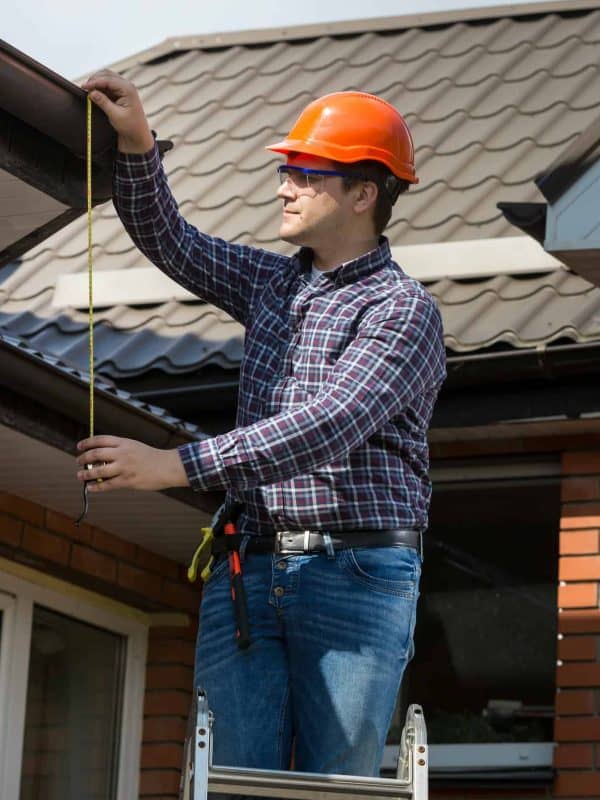
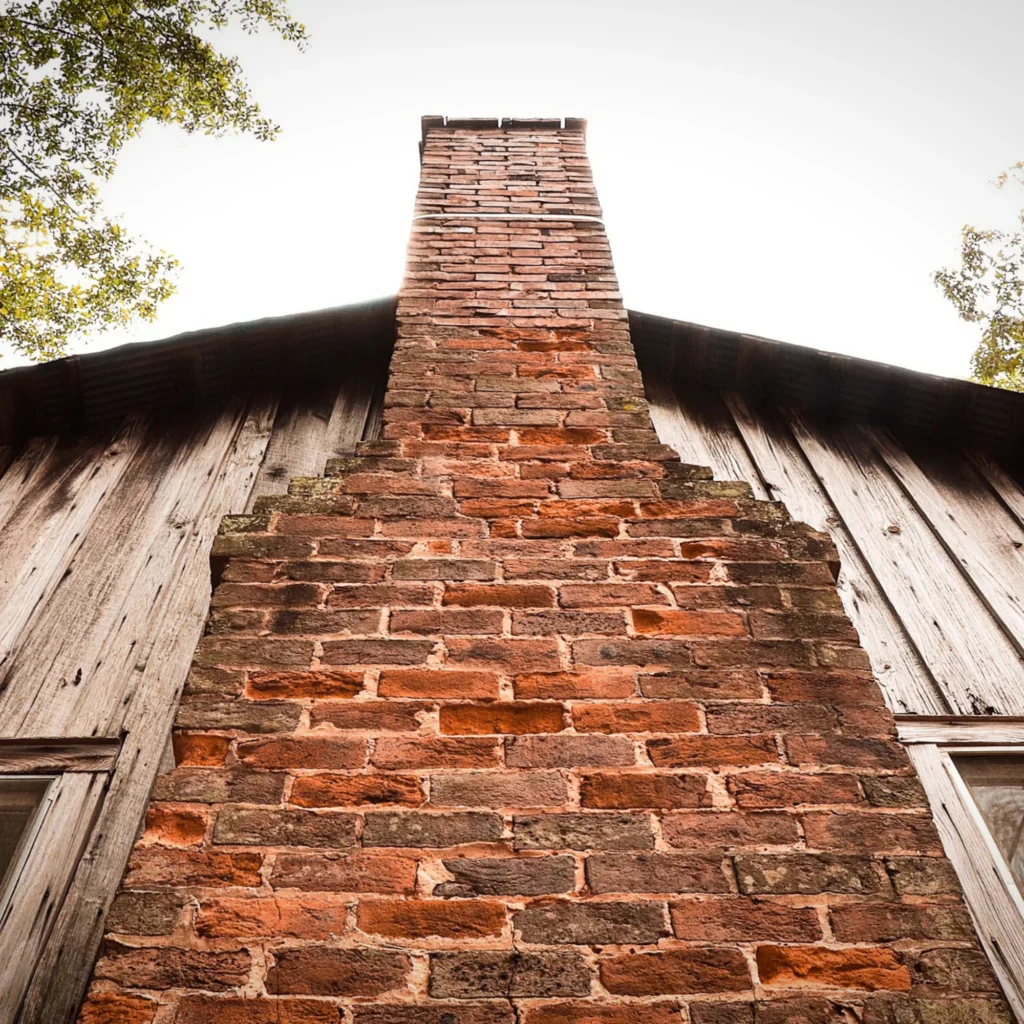
The Three Levels of Chimney Inspection
A Level 1 inspection is the most basic. It’s a visual check of the accessible parts of the chimney. The inspector looks at the flue from top and bottom, checks the firebox, damper, and visible exterior areas. This level works if you’re just maintaining a system that hasn’t changed and hasn’t had any incidents.
Level 2 goes deeper. It’s required when you’ve had a change, like selling the house, switching fuel types, or after something unusual like a chimney fire or weather damage. The inspector uses cameras to see inside the flue liner and checks areas like attics and crawl spaces. They also examine the exterior more closely. This is the most common type for home sales or after storms.
Level 3 is the most invasive. It involves removing parts of the structure to access hidden areas. You’d only do this if there’s a known serious problem or if Level 2 found something that needs closer investigation. This might mean opening walls or removing chimney components.
How Chimney Inspectors Evaluate Your System
The inspection starts outside. An inspector walks the roofline to check the chimney crown, which is the concrete cap at the top. Cracks here let water seep down into the masonry. They look at the flashing where the chimney meets the roof. Poor sealing at this joint is one of the most common sources of leaks.
They also check the chimney cap. A missing or damaged cap means animals can nest inside and rain can pour straight down the flue. Most homeowners don’t realize how much damage one season of water exposure can cause.
Inside the Home
Once inside, the inspector examines the firebox. They look for cracks in the firebrick and gaps in the mortar joints. These openings let heat escape into areas it shouldn’t reach. They check the damper to make sure it opens, closes, and seals properly. A stuck damper wastes energy and creates draft problems.
Then comes the flue inspection. Inspectors use high-powered flashlights and inspection mirrors for a basic look. For a more thorough scan, they use specialized video cameras that travel up the flue. The camera feed shows creosote deposits, which appear as dark, crusty layers on the liner walls. Heavy buildup is a fire hazard because creosote is highly flammable.
The camera also reveals cracks or gaps in the flue liner. These defects let toxic gases escape into your living space instead of venting outside. Inspectors watch for white staining on the exterior brick too. That’s efflorescence, which signals moisture problems inside the chimney structure.
They test draft performance by lighting smoke sticks or observing airflow patterns. Weak draft means combustion gases linger instead of evacuating properly. Finally, they check for water stains on walls near the chimney and rust on metal components. Both point to ongoing moisture intrusion that will only get worse over time.
Why Regular Inspections Matter for Safety and Performance
Most homeowners don’t realize that chimneys are working parts of your house. Every time you burn a fire, creosote builds up inside the flue. It’s a sticky, tar-like substance that forms when wood smoke cools. Over time, it hardens into thick layers that cling to the flue walls. When that buildup gets thick enough, it becomes fuel itself. One hot fire can ignite it, and suddenly you’ve got flames inside your chimney that can reach over 2,000 degrees. That kind of heat can crack the flue liner or even jump to nearby wood framing.
Then there’s carbon monoxide. If your chimney has cracks in the liner, blockages from animal nests, or structural damage, smoke and gases can back up into your home instead of venting outside. You won’t smell it or see it. That’s what makes it dangerous. A routine inspection catches these issues before they become health risks.
How Mid West Weather Wears Down Your Chimney
Here’s the thing about Indianapolis weather. The heat alone doesn’t cause major problems, but the swings do. We get stretches of 100-degree days, then occasional hard freezes in winter. When rain soaks into your masonry and the temperature drops, that water freezes and expands. It cracks the brick and mortar from the inside out. Over a few seasons, those small cracks grow into gaps that let more water in. Heavy rains we get in spring push water deeper into damaged areas, and that deterioration speeds up.
Water damage starts small. A hairline crack in the crown. A missing piece of mortar. It might not look serious at first. But once water gets inside, it weakens the structure, rusts the damper, and damages the flue liner. What could’ve been a simple repointing job turns into a full rebuild. And that’s where it gets expensive.
Common Misconceptions About Chimney Inspections
Most homeowners have the wrong idea about when and why chimney inspections matter. These misunderstandings can lead to safety issues and expensive repairs down the road. Let’s clear up what’s actually true.
One big myth is that you only need an inspection if you use your fireplace regularly. Here’s the thing. Even if you rarely light a fire, your chimney is still exposed to weather, animals, and age. Water can seep into masonry joints and freeze during Indianapolis cold snaps, causing cracks. Birds and squirrels might build nests that block the flue. Moisture alone can corrode metal components or deteriorate the chimney liner over time. The damage happens whether you burn logs every night or once a year.
Another common belief is that a quick look from the rooftop tells you everything you need to know. It doesn’t. What you see from above is just the cap and crown. The real problems often hide inside the flue or behind the brickwork. Creosote buildup, liner cracks, and structural damage aren’t visible from the roof. A proper inspection means checking the entire system from top to bottom, inside and out.
New Chimneys and the Cleaning Confusion
Some people assume new chimneys don’t need inspecting. That’s not accurate. Construction defects, improper installation, and settling issues can show up in brand new systems. An inspection catches these problems before they become serious. It’s especially important after a home purchase to verify everything was built correctly.
Finally, many homeowners think inspection and cleaning are the same service. They’re not. Cleaning removes soot and creosote from the flue. An inspection evaluates the entire chimney for damage, deterioration, and safety hazards. You might need one without the other. A clean chimney can still have cracks or structural issues. An inspection identifies what’s wrong. Cleaning is just maintenance.
When and How to Schedule a Chimney Inspection
Most chimney professionals recommend an annual inspection, ideally in late summer or early fall before you start using your fireplace regularly. The logic is simple. If the inspector finds something that needs fixing, you’ll have time to get it done before cold weather arrives. Waiting until November means you might be stuck without heat while repairs happen.
A basic Level 1 inspection works fine if nothing has changed with your chimney. It covers the accessible parts and confirms everything looks safe to use. But certain situations call for a more thorough look. If you’re buying or selling a home, you’ll need a Level 2 inspection. This includes a video camera scan of the flue interior to check for hidden damage. The same goes if you’ve had a chimney fire, even a small one that seemed minor. Flames can crack the flue liner in ways you can’t see from below.
Switching fuel types also triggers the need for a Level 2. Going from wood to gas changes how your chimney handles moisture and combustion byproducts. Storm damage, like a lightning strike or falling tree limb, calls for this level too. Level 3 inspections involve taking apart sections of the chimney structure itself. That only happens when there’s known serious damage or major construction work planned.
Preparing for the Visit and Understanding Results
Clear the area around your fireplace so the inspector can work easily. Move furniture, decorations, and anything stored on the hearth. Ask them to explain what they find as they go, not just in the written report later. Most homeowners don’t realize that inspectors rate issues on a scale. Hazards need immediate attention. Recommendations can usually wait but shouldn’t be ignored long term. If the report mentions creosote buildup, ask how thick it is. A thin glaze is normal. Heavy, flaky deposits mean you’re overdue for a cleaning and at higher risk for a chimney fire.
Chimney Inspection FAQs
How Often Should I Have My Chimney Inspected?
Once a year is the standard recommendation, and early fall works well for most Indianapolis homeowners. That timing gives you a chance to catch problems before you start using your fireplace regularly when the temperature drops.
Here’s the thing. Even if you rarely use your fireplace, an annual chimney checkup still matters. Animals build nests in unused chimneys. Moisture gets inside and causes damage you can’t see from the ground. Brick mortar deteriorates whether you’re burning fires or not.
If you use your fireplace heavily during winter, burning more than 40 or 50 fires a season, you might want to bump that up to twice a year. Heavy use means faster creosote buildup, which is the main fire hazard in chimneys.
What Does a Chimney Inspector Actually Look For?
They check the entire system from top to bottom. That includes the chimney crown at the top, the flue liner inside, the firebox where you actually burn wood, the damper mechanism, and all the masonry or metal components.
Most homeowners don’t realize how much can go wrong inside a chimney. Cracks in the flue liner let heat and smoke escape into your walls or attic. The crown can crack and let water pour into the structure. Creosote builds up in thick, crusty layers that can ignite. Mortar joints deteriorate and let moisture seep in, which freezes and expands during our occasional cold snaps.
Inspectors also look for blockages. Birds, squirrels, and raccoons love chimneys. A single nest can completely block airflow, which sends smoke back into your home instead of up and out.
How Long Does a Fireplace Inspection Take?
A basic inspection usually takes 45 minutes to an hour. That covers what you need for routine annual maintenance.
More detailed inspections take longer. If the inspector finds damage or needs to use a camera to look inside the flue, you’re looking at two hours or more. Properties with multiple chimneys obviously take longer than homes with just one.
Can I Inspect My Chimney Myself?
You can do a basic visual check, but you’ll miss most of the serious problems. From the ground, you might spot obvious issues like missing chimney caps or large cracks in the exterior brick. You can also look inside your firebox with a flashlight to see if creosote is building up.
What you can’t do is safely get on your roof to check the crown and cap. You can’t see inside the flue without proper equipment. You can’t assess whether the liner has cracks or gaps. And you probably won’t recognize early warning signs that an experienced inspector catches immediately.
Let’s be honest. Most chimney problems happen in places homeowners can’t reach or see. That’s why professional chimney safety inspections exist.
What’s the Difference Between Inspection Levels?
Level 1 is the basic annual inspection. It covers all accessible parts of the chimney without any special equipment. This works fine if nothing has changed and you’re just maintaining a system in good condition.
Level 2 involves video cameras and checking concealed areas. You need this when buying or selling a home, after any weather event that might have caused damage, or when you’re changing fuel types. Insurance companies often require Level 2 inspections after incidents.
Level 3 means removing parts of the chimney structure to access hidden areas. This only happens when Level 2 finds serious damage that needs closer examination.
Conclusion
A chimney isn’t just part of the roofline. It’s a working system that handles heat, smoke, and moisture every time you use your fireplace or heating appliance. And like any working system, it changes over time. Brick absorbs water. Mortar breaks down. Flue liners crack from temperature swings. Creosote builds up slowly, layer by layer.
Most homeowners don’t think about these things until something goes wrong. That’s understandable. Chimneys sit quietly on the roof, out of sight and usually out of mind. But understanding what’s happening inside that structure is just part of taking care of your home well.
When you know what condition your chimney is in, you’re not guessing. You’re not waiting for a problem to announce itself with water stains or smoke backing up into the house. You’re ahead of it. That’s what a proper chimney evaluation gives you. Not just a checklist, but a clear picture of what’s working and what needs attention before it turns into something bigger.
It’s not about fear or urgency. It’s about having the information you need to make good decisions. Whether your chimney needs minor repairs, routine maintenance, or nothing at all right now, knowing that puts you in control.
Checking your chimney regularly is simply part of responsible homeownership. It keeps your family safer. It protects your investment. And it gives you the peace of mind that comes from understanding what’s actually going on with one of the hardest working parts of your home.
Frequently Asked Questions
How Often Should I Have My Chimney Cleaned?
Most homeowners should have their chimney inspected once a year and cleaned as needed. If you regularly use a wood-burning fireplace, creosote can build up inside the flue over time. This buildup is highly flammable and can increase the risk of a chimney fire. Even if you don’t use your fireplace often, debris, animal nests, and moisture can still create safety concerns. An annual chimney inspection helps ensure your fireplace and chimney system remain safe, clean, and ready to use throughout the year.
How Much Does a Chimney Inspection Cost?
The cost of a chimney inspection depends on the type of inspection required and the condition of the chimney. Basic inspections are typically less expensive, while more detailed inspections may include specialized equipment such as chimney cameras to evaluate the entire flue system. A professional inspection can help identify potential issues before they become costly repairs, making it one of the most valuable investments homeowners can make for their fireplace and chimney.
Is a Chimney Inspection Really Necessary If Everything Seems Fine?
What Are the Signs That My Chimney Needs Repair?
Will Homeowners Insurance Cover Chimney Repairs?
What Is Included in a Professional Chimney Inspection?
A professional chimney inspection typically includes a thorough evaluation of the chimney structure, fireplace, flue, chimney cap, crown, masonry, and other visible components. The technician checks for damage, blockages, creosote buildup, water intrusion, and potential safety hazards. Depending on the inspection level, specialized camera equipment may also be used to inspect areas that cannot be seen from the ground or fireplace opening. After the inspection, homeowners receive recommendations for any cleaning, maintenance, or repairs that may be needed.