
Chimney Flue Repair
Expert Chimney Flue Repair to fix cracks, improve drafting, and protect your home from heat and smoke damage inside the chimney system

Inspections

Fires Prevented

Chimney Sweeps

Chimney Repairs
Understanding Chimney Flue Repair
Most homeowners think of the chimney as the brick or stone structure they see on the outside of their home. But the real workhorse is hidden inside. That’s the flue, and it’s what actually does the job of moving smoke, heat, and combustion gases up and out of your house.
The flue is the interior passageway running from your fireplace or heating appliance to the top of the chimney. It’s lined with protective material that keeps those hot gases contained and prevents them from leaking into your walls or living space. When someone talks about chimney flue repair, they’re talking about fixing damage to that liner.
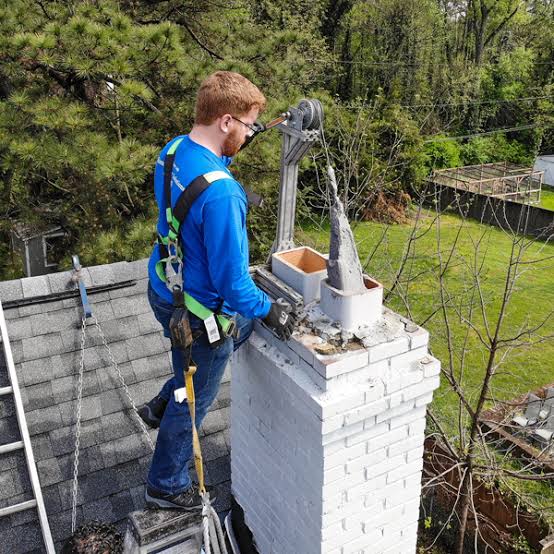
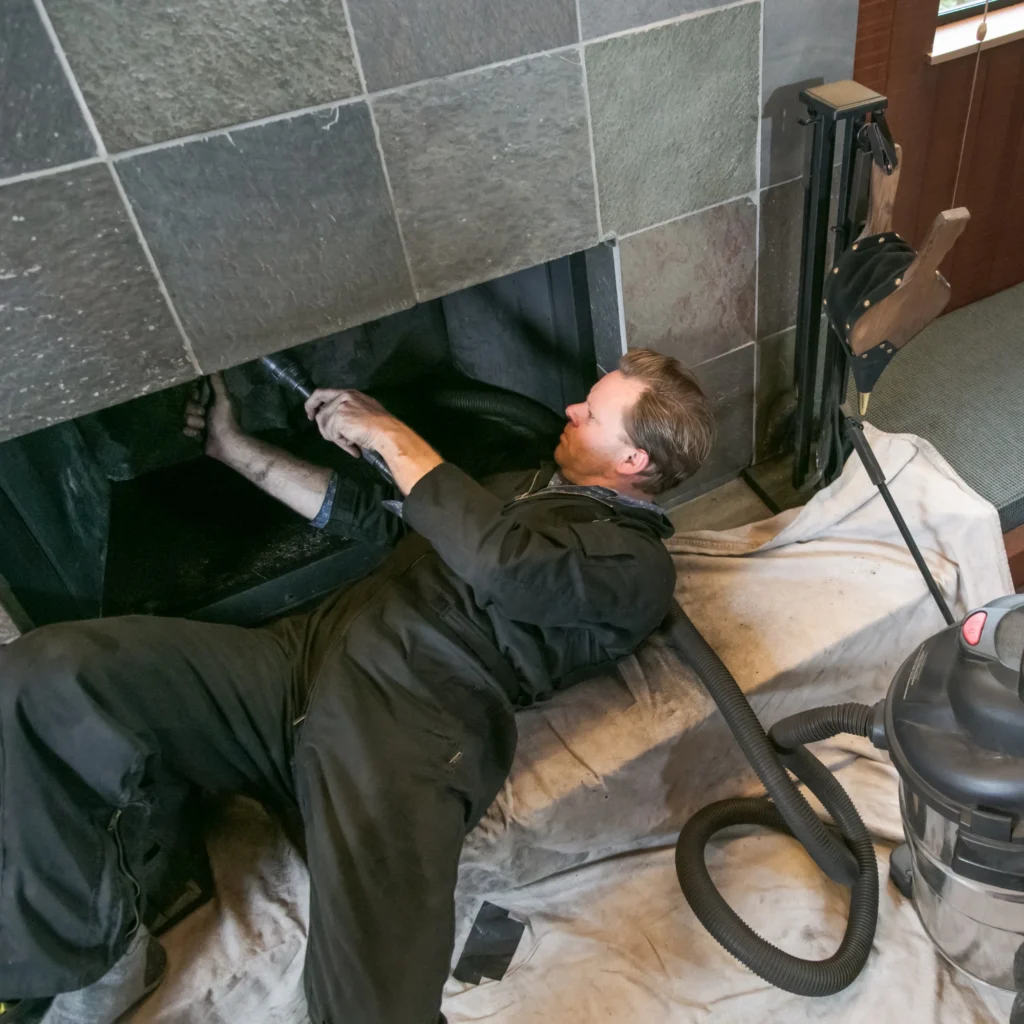
What the Flue Liner Actually Is
The liner itself can be made from a few different materials. Clay tiles are the most common in older Dallas homes. They’re stacked inside the chimney and mortared together. Metal liners, usually stainless steel, are another option. Some newer homes or retrofit jobs use cast-in-place liners, which are essentially poured and formed inside the chimney shaft.
Here’s the thing. That liner takes a beating. Every time you light a fire, it’s exposed to extreme heat, corrosive gases, and moisture. Over years of use, clay tiles can crack or break apart. Metal liners can corrode. Cast-in-place material can develop gaps or deteriorate in spots.
When that happens, you’ve lost the barrier that keeps dangerous gases from seeping into your home. You’ve also lost the protection that prevents the chimney structure itself from overheating or catching fire.
How Chimney Flue Repair Works
Most flue repairs start with a camera inspection. A technician feeds a small camera down the chimney to see what’s actually happening inside. This shows cracks, gaps, missing mortar, or damaged tiles that you can’t see from the ground. The footage tells you whether the damage is isolated to a few tiles or spread throughout the entire flue.
Here’s where the decision gets made. If only one or two clay tiles are cracked near the top, replacing those specific tiles might be enough. The technician removes the damaged sections and sets new tiles in place with refractory mortar. This works when the rest of the flue is still solid.
But if the damage is widespread, or if the flue has been leaking combustion gases into the home, you’re looking at a full reline. That’s usually when problems start adding up cost-wise.
Stainless Steel Relining
A stainless steel liner gets inserted from the top of the chimney down to the bottom. Flexible liners work for chimneys with bends or offsets. The liner snakes through and gets connected at both ends with clamps and insulation wrap. Rigid liners are straight sections that lock together, used when the flue runs straight down. Both methods create a new, sealed path for smoke and gases. This is the most common solution when the original clay tiles are too far gone to patch.
Cast-in-Place Relining
Cast-in-place lining involves inserting an inflatable tube down the flue, then pumping a cement-based material around it. Once the material cures, the tube gets deflated and removed. What you’re left with is a smooth, seamless liner molded to the exact shape of your chimney. It seals every crack and gap. This method works well for chimneys with structural issues or when you need to restore strength to deteriorating masonry. It’s more labor intensive, which means it costs more, but it essentially rebuilds the flue from the inside out.
Why Flue Repair Matters for Safety and Function
A damaged flue doesn’t announce itself with alarms or flashing lights. The problems develop quietly, and by the time you notice symptoms, the risk has already been building for weeks or months.
The first danger is carbon monoxide intrusion. When cracks or gaps form in the flue liner, combustion gases that should vent outside can leak directly into your living space. This happens with both wood fires and gas logs, which are common in Indianapolis homes. Carbon monoxide is invisible and odorless. You won’t smell it or see it. Small exposures cause headaches and fatigue that many people dismiss as allergies or stress. Larger exposures can be fatal.
The second risk is fire. A compromised flue allows heat and sparks to reach the wood framing around your chimney. Most homeowners don’t realize there’s supposed to be a two inch clearance between the flue and any combustible material. When the liner cracks or mortar joints fail, that protective barrier disappears. The wood stays hidden behind drywall, so it can smolder for hours before flames appear.
What Happens When Draft Fails
The third problem is efficiency loss. A flue with gaps or obstructions can’t maintain proper draft. Draft is the upward pull that carries smoke out of your home. When it weakens, smoke rolls back into the room instead of venting cleanly. You’ll see it during startup, but the issue exists every time you use the fireplace.
In Mid West, many homes use their fireplaces only a handful of times each year. That occasional use makes it easy to ignore small issues. But damage doesn’t pause between fires. Moisture still enters through cracks. Freeze and thaw cycles still widen gaps. By the time you light the next fire, the problem has grown worse.
A damaged flue turns a heating appliance into a liability. The risks are real, and they don’t improve on their own.
Common Misconceptions About Flue Damage and Repair
Most homeowners in Indianapolis operate on assumptions about their chimney that seem logical but don’t match reality. These misconceptions can delay needed repairs and create serious safety risks. Here’s what you actually need to know.
The Outside Doesn’t Tell the Whole Story
The biggest myth is that a chimney that looks fine from the curb has a healthy flue inside. That’s rarely true. Flue damage happens on the interior surfaces where you can’t see it. Cracks in the clay tile liner, gaps between liner sections, and deteriorated mortar joints are completely invisible from ground level.
A homeowner might admire their brick chimney for years while the flue lining inside is falling apart. The damage starts from heat cycles and creosote exposure, not from weather beating on the exterior. By the time you see problems on the outside, the interior is usually in much worse shape.
Occasional Use Doesn’t Mean Occasional Risk
Another common belief is that you only need to worry about chimney flue damage if you burn fires daily. Even if you light your fireplace three times a year, a damaged flue is dangerous every single time. Carbon monoxide doesn’t care how often you use the fireplace. A cracked liner can allow gases into your home during any fire, and it only takes one exposure to create a health emergency.
Cost and Expertise Realities
Many people assume flue liner replacement always costs thousands of dollars. Some repairs do, especially full stainless steel liner installations. But minor chimney liner repair work like sealing small cracks or patching sections can run a few hundred dollars. The cost depends entirely on what’s actually wrong.
Finally, not every chimney professional handles flue damage repair the same way. A basic chimney sweep cleans your flue and inspects it. Installing or repairing liners requires different training and certification. It’s specialized work. You wouldn’t hire a house painter to fix your roof, and the same principle applies here. Ask about specific experience with liner work before hiring anyone.
Practical Guidance for Homeowners
Most homeowners in Indianapolis should schedule a chimney inspection once a year, even if they only burn a few fires. A Level 1 inspection works fine for routine checkups when nothing seems wrong. It covers the accessible areas and confirms everything looks safe. If you suspect damage, notice warning signs, or you’re buying a home with a fireplace, go with a Level 2 inspection. That includes a camera going down the flue to check what you can’t see from the firebox or roof.
Warning Signs of Flue Damage
Here’s what should get your attention. Smoke backing up into the room instead of drafting up the chimney usually means something is blocking the flue or the liner has deteriorated. White powdery staining on the inside of the firebox, called efflorescence, shows up when moisture is getting through the masonry. That’s a sign the liner might be cracked.
If you see pieces of clay tile sitting in the firebox, that’s your liner breaking apart from heat stress or moisture damage. Strong musty or smoky odors when the fireplace isn’t in use can mean creosote buildup or cracks letting smells leak into the house. Grab a flashlight and look up from the firebox. Visible cracks, missing mortar, or gaps between tiles mean it’s time for a professional look.
Preparing for Chimney Repairs
When you know you need work done, get at least three quotes. Pricing varies widely depending on whether they’re doing a partial reline, full replacement, or cast in place repair. Ask what the warranty covers and for how long. Some companies warranty materials but not labor.
Talk through access options. Some repairs can happen from inside the house, which is easier in winter. Full liner replacement usually requires roof access. That matters if you’re scheduling around weather.
For Mid West homeowners, fall is ideal for chimney work. You’re past the brutal summer heat, and crews can work comfortably before the holiday season when everyone wants their fireplace ready. Spring works too, but you might wait longer for scheduling.
Chimney Flue Repair FAQs
How much does chimney flue repair typically cost?
Most flue repairs in the Indianapolis area run between $500 and $2,500, but the range depends heavily on what’s wrong. A small crack that needs repointing might cost around $500 to $800. If you need a new stainless steel liner installed, you’re looking at $1,500 to $3,500 depending on the height of your chimney. Repairing damaged clay tiles can fall anywhere in between. What drives the cost up is access difficulty and how much of the flue is affected. A two-story chimney costs more to work on than a single-story ranch. Most homeowners don’t realize that the diagnosis itself matters too. A camera inspection usually costs $150 to $300, but it tells you exactly what you’re dealing with instead of guessing.
Can I repair a chimney flue myself?
You can handle minor repointing at the top of the flue if you’re comfortable on a ladder and have some masonry experience. But anything inside the flue itself is a different story. Working from a roof is dangerous, and you need proper equipment to access the interior safely. More importantly, a poorly done flue liner repair can create carbon monoxide risks or house fires. The materials matter too. Chimney liner materials need to meet specific codes, and you have to size them correctly for your appliance. If you install the wrong diameter or use incompatible materials, you’re creating a hazard. Most insurance companies won’t cover damage from DIY chimney work either. So while patching exterior mortar is reasonable for a skilled homeowner, interior flue repairs really need a professional.
Should I repair or replace my chimney flue?
This depends on how much of the flue is damaged and what’s causing the problem. If you have one or two cracked clay tiles near the top, repair usually makes sense. But if the damage runs through multiple sections or the entire liner is deteriorating, replacement is often smarter. Here’s the thing. Patching a flue that’s failing throughout just buys you a year or two. A full stainless steel liner replacement costs more upfront but gives you 20 to 30 years of service. The age of your chimney matters too. If the structure is over 50 years old and you’re seeing widespread issues, a new liner is typically the better investment. Let’s be honest, nobody wants to hear they need a full replacement, but sometimes it’s the only way to get a safe, reliable chimney.
How long does chimney flue repair take?
Simple repairs like repointing mortar joints or sealing small cracks usually take half a day once the technician is on site. Installing a new chimney liner takes longer, typically one full day for a standard residential chimney. If the existing liner needs to be removed first or there are structural issues to address, you might be looking at two days. Weather can affect the timeline too, especially for mortar work that needs time to cure. Most contractors will give you a realistic timeframe during the inspection. What usually happens is they’ll schedule the work for a dry stretch and knock it out in one visit.
Is it dangerous to use a fireplace with a damaged flue?
Yes, and the risks are serious. A cracked or damaged flue can let carbon monoxide seep into your home instead of venting it outside. You won’t smell it or see it, but it can make you sick or worse. Cracks also let extreme heat reach combustible materials in your walls or attic, which is how chimney fires start. Even small gaps allow creosote buildup to ignite more easily. If you’ve noticed chunks of tile in your firebox or see visible cracks during an inspection, stop using the fireplace until it’s fixed. That’s usually when homeowners realize this isn’t just about efficiency. It’s about keeping your family safe.
Conclusion
The flue is one of those home components most people never think about until something goes wrong. It’s hidden inside the chimney, doing its job quietly, and when it’s working properly, you have no reason to notice it. But that doesn’t make it any less important.
Here’s the thing. Your flue has one critical responsibility: to keep heat, smoke, and toxic gases moving safely out of your home. When it’s damaged, that protection breaks down. Cracks let combustion byproducts seep into your living space. Gaps allow heat to reach wood framing. Deteriorated clay tiles can collapse and block the passage entirely. These aren’t minor issues. They’re safety concerns that affect everyone in the house.
But discovering flue damage doesn’t mean you’re facing an impossible situation. Most homeowners feel overwhelmed when they first hear about cracks or deterioration inside their chimney. It sounds expensive. It sounds complicated. And it can be both of those things. But repair options exist for virtually every type of flue problem, from small cracks to complete liner failure.
The key is approaching the issue with informed awareness rather than panic. Understanding what’s actually happening inside your flue, why it matters, and what your repair choices are puts you in a much better position to make decisions. You’re not guessing. You’re not reacting out of fear. You’re taking care of a home system that deserves the same attention as your roof, your foundation, or your HVAC.
Your flue protects your household every time you light a fire or run your furnace. That job matters. Treating inspection and repair as part of responsible home stewardship means you’re not waiting for a problem to become dangerous. You’re staying ahead of it.
Frequently Asked Questions
How Often Should I Have My Chimney Cleaned?
Most homeowners should have their chimney inspected once a year and cleaned as needed. If you regularly use a wood-burning fireplace, creosote can build up inside the flue over time. This buildup is highly flammable and can increase the risk of a chimney fire. Even if you don’t use your fireplace often, debris, animal nests, and moisture can still create safety concerns. An annual chimney inspection helps ensure your fireplace and chimney system remain safe, clean, and ready to use throughout the year.
How Much Does a Chimney Inspection Cost?
The cost of a chimney inspection depends on the type of inspection required and the condition of the chimney. Basic inspections are typically less expensive, while more detailed inspections may include specialized equipment such as chimney cameras to evaluate the entire flue system. A professional inspection can help identify potential issues before they become costly repairs, making it one of the most valuable investments homeowners can make for their fireplace and chimney.
Is a Chimney Inspection Really Necessary If Everything Seems Fine?
What Are the Signs That My Chimney Needs Repair?
Will Homeowners Insurance Cover Chimney Repairs?
What Is Included in a Professional Chimney Inspection?
A professional chimney inspection typically includes a thorough evaluation of the chimney structure, fireplace, flue, chimney cap, crown, masonry, and other visible components. The technician checks for damage, blockages, creosote buildup, water intrusion, and potential safety hazards. Depending on the inspection level, specialized camera equipment may also be used to inspect areas that cannot be seen from the ground or fireplace opening. After the inspection, homeowners receive recommendations for any cleaning, maintenance, or repairs that may be needed.