
Blog
Chimney Sweep Near Me in Indianapolis: What a CSIA-Certified Sweep Does and What to Expect
Looking for a chimney sweep near me in Indianapolis? Here is what a certified CSIA sweep does, what to expect during the visit, and why summer is the smartest time to book.
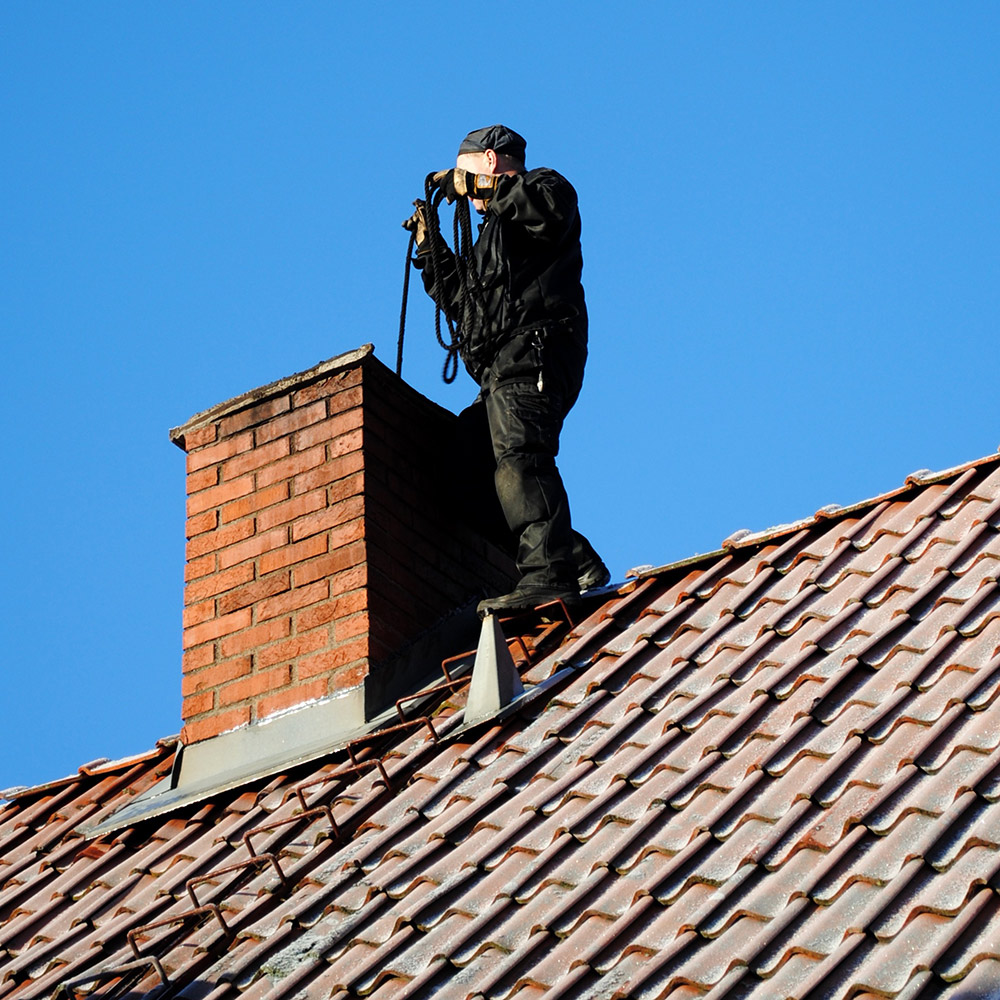
When you start searching for a chimney sweep near me in Indianapolis, the results can feel overwhelming. Some companies list dozens of services. Others show up with no credentials at all. What most homeowners want is simple: someone who knows what they are doing, shows up on time, and leaves the fireplace safer than they found it. This post walks through exactly what a certified sweep does, what signs tell you it is time to book, and what to expect from start to finish.
What CSIA Certification Means and Why It Matters When Hiring a Chimney Sweep
CSIA stands for Chimney Safety Institute of America. A CSIA-certified sweep has passed a written exam covering chimney systems, fire codes, and safety standards. Certification requires ongoing education to stay current. That is not a small thing in a trade where the stakes involve fire and carbon monoxide.
Non-certified sweeps exist and some do decent work. The problem is there is no way to verify their training. A CSIA credential gives you a baseline. You can confirm a sweep’s certification at the CSIA website before booking.
In Indianapolis, the better chimney companies will list their CSIA number openly. If a company cannot produce a certification number when you ask, that is worth noting. Certification is not the only thing that matters, but it is the easiest thing to check before anyone shows up at your door.
What a Chimney Sweep Near You Actually Does During the Appointment
Most appointments run 45 minutes to 90 minutes, depending on how dirty the flue is and whether an inspection is included. The sweep starts by protecting your living space. Drop cloths go down, and a vacuum with a HEPA filter connects to the firebox to contain creosote and soot.
The actual cleaning uses wire brushes sized to your flue liner. Round flues get round brushes. Square flues get square brushes. The sweep works from the top down, loosening deposits from the flue walls and pulling them into the firebox where the vacuum catches them. A wood-burning fireplace that gets regular use typically accumulates stage-one creosote, a dry flaky deposit that brushes out easily. Stage-two creosote looks like tar and takes more work. Stage-three is hardened and sometimes requires chemical treatment before brushing.
After the flue is clear, the sweep checks the damper, the firebox, the smoke shelf, and the flue liner for visible damage. Some companies include a Level 1 inspection with every sweep. Others charge separately. Ask before you book.
How to Know If Your Chimney Needs a Sweep Right Now
The National Fire Protection Association standard NFPA 211 recommends sweeping and inspecting chimneys at least once per year for any fireplace in regular use. For wood-burning fireplaces, that means before or after each heating season. Gas fireplaces produce less buildup but still need annual checks for blockages and liner condition.
A few signs point to an overdue cleaning. You notice a strong smoky or musty smell coming from the fireplace even when it is not in use. Fires produce more smoke than usual. You can see black, glossy buildup when you shine a flashlight up the flue. Birds or animals have nested in the chimney over spring or summer. Any of these conditions means you should not wait until fall.
One quick test: hold a white cloth inside the firebox and run it along the flue wall just above the damper. If it picks up more than 1/8 inch of soot, the flue needs cleaning before the next fire.
What the Sweep Finds Most Often in Indianapolis Homes
Indianapolis weather creates specific wear patterns. Freeze-thaw cycles through winter and early spring crack mortar joints in brick chimneys. Spalling bricks, where the face of the brick pops off, show up regularly on chimneys older than 20 years. Water gets into small cracks, freezes, expands, and opens the crack wider each season.
Animal intrusion is common in spring. Chimney swifts and squirrels both nest in uncapped flues. A stainless steel chimney cap with wire mesh sides stops most animals and costs far less to install than removing a nest and repairing liner damage.
Creosote buildup is the most common finding across wood-burning fireplaces. Most Indianapolis homes that burn seasoned hardwood like oak or hickory see stage-one deposits after a normal winter season. Homes burning green or wet wood accumulate stage-two deposits much faster. That is worth knowing when you are choosing firewood.
How to Prepare for a Chimney Sweep Visit
A little prep on your end makes the appointment faster. Clear a three-foot path from your front door to the fireplace so the sweep can move equipment without bumping furniture. Remove any decorative items from the hearth and the mantel.
If you have a wood stove insert or a gas insert, let the sweep know when you book. Inserts require extra time because the sweep needs to pull the insert out to clean the full flue. Booking for an insert and not mentioning it can turn a 60-minute job into a 2-hour one.
Make sure someone 18 or older is home for the full appointment. The sweep will walk you through anything notable they find and may need to access your roof. Roof access is standard for a top-down sweep, so a clear path around the exterior helps too.
What to Look for When Vetting a Chimney Sweep Company in the Indianapolis Area
- Confirm active CSIA certification. Ask for the sweep’s certification number and verify it at csia.org before the appointment.
- Check for liability insurance. Any reputable company carries general liability coverage. Ask for a certificate if you want confirmation.
- Look for written estimates. A company that quotes over the phone without asking about your fireplace type, flue size, or last service date is guessing.
- Read recent reviews on Google. Focus on reviews from the past 12 months. Older reviews may not reflect current staff or service quality.
- Ask what the sweep includes. Some companies bundle a Level 1 inspection with every cleaning. Others charge separately. Know what you are getting.
- Find out if they handle repairs in-house. A company that can address a cracked liner or a damaged damper on the same visit saves you a second scheduling hassle.
- Ask about their cleanup process. A sweep using a HEPA-filtered vacuum leaves your home clean. One working without one may leave fine soot on surfaces throughout the room.
- When searching for a chimney sweep near me, check whether the company operates year-round. Summer availability means shorter wait times and often faster scheduling than fall.
Why Summer Is the Best Time to Schedule a Chimney Sweep in Indianapolis
Most homeowners book a chimney sweep in September or October. That is also when every other homeowner is calling. Wait times stretch to 3 or 4 weeks during peak fall season. Scheduling in June or July means you usually get an appointment within a week, sometimes sooner.
Summer scheduling also gives you time to act on anything the sweep finds. If the sweep spots a cracked liner or a failing mortar crown, you have two or three months before heating season starts. Repair work during summer costs less to schedule because demand is lower. Trying to repair a liner in October often means a rushed job or a longer wait.
Another reason summer works: the chimney is cool and dry. Creosote is easier to remove when it has not been packed down by a recent fire. The sweep can also assess any water damage from spring rain before it deepens over summer.
Frequently Asked Questions
How do I find a certified chimney sweep near me in Indianapolis?
Start at the CSIA website. They maintain a directory of certified sweeps by zip code. You can also search for a chimney sweep near me on Google and then cross-check any name you find against the CSIA directory before booking. Ask the company directly for their sweep’s certification number. A legitimate company will provide it without hesitation.
How long does a chimney sweep appointment take?
A standard sweep on a single wood-burning fireplace usually runs 45 to 90 minutes. If the flue has heavy stage-two or stage-three creosote buildup, expect closer to 90 minutes. A gas fireplace sweep typically runs 30 to 60 minutes. If you have a fireplace insert, add 30 to 45 minutes because the insert needs to come out for the sweep to clean the full flue length.
What is the difference between a chimney sweep and a chimney inspection?
A sweep is a cleaning. The sweep removes creosote, soot, blockages, and debris from the flue and firebox. An inspection is an assessment. The inspector examines the liner, the damper, the cap, the crown, the masonry, and the connections between components to find cracks, gaps, or deterioration. A Level 1 inspection uses no special equipment and covers accessible areas. A Level 2 inspection adds a camera scan of the full flue interior. Many companies offer both together, but they are separate services.
How often should I schedule a chimney sweep for a wood-burning fireplace?
NFPA 211 recommends at least once per year for any wood-burning fireplace in active use. If you burn more than two cords of wood per season, twice per year is reasonable. Burning wet or green wood accelerates creosote buildup and may require more frequent cleaning. A sweep can tell you after the first appointment whether your usage pattern calls for one annual visit or two.
The Short Version
A qualified chimney sweep near me means someone with verified CSIA certification, proper equipment, and the knowledge to spot what the naked eye misses. In Indianapolis, the smartest move is to book in summer, before the fall rush, and before any small problems become expensive ones. One annual sweep keeps a wood-burning fireplace running safely. It also gives you a clear picture of what your chimney actually needs heading into winter.