
Blog
Wood Fireplace Service in Indianapolis: What Maintenance a Wood-Burning System Actually Requires
A wood fireplace needs more than a yearly sweep. Here is what a full wood fireplace service covers for Indianapolis homeowners and how often each part needs attention.
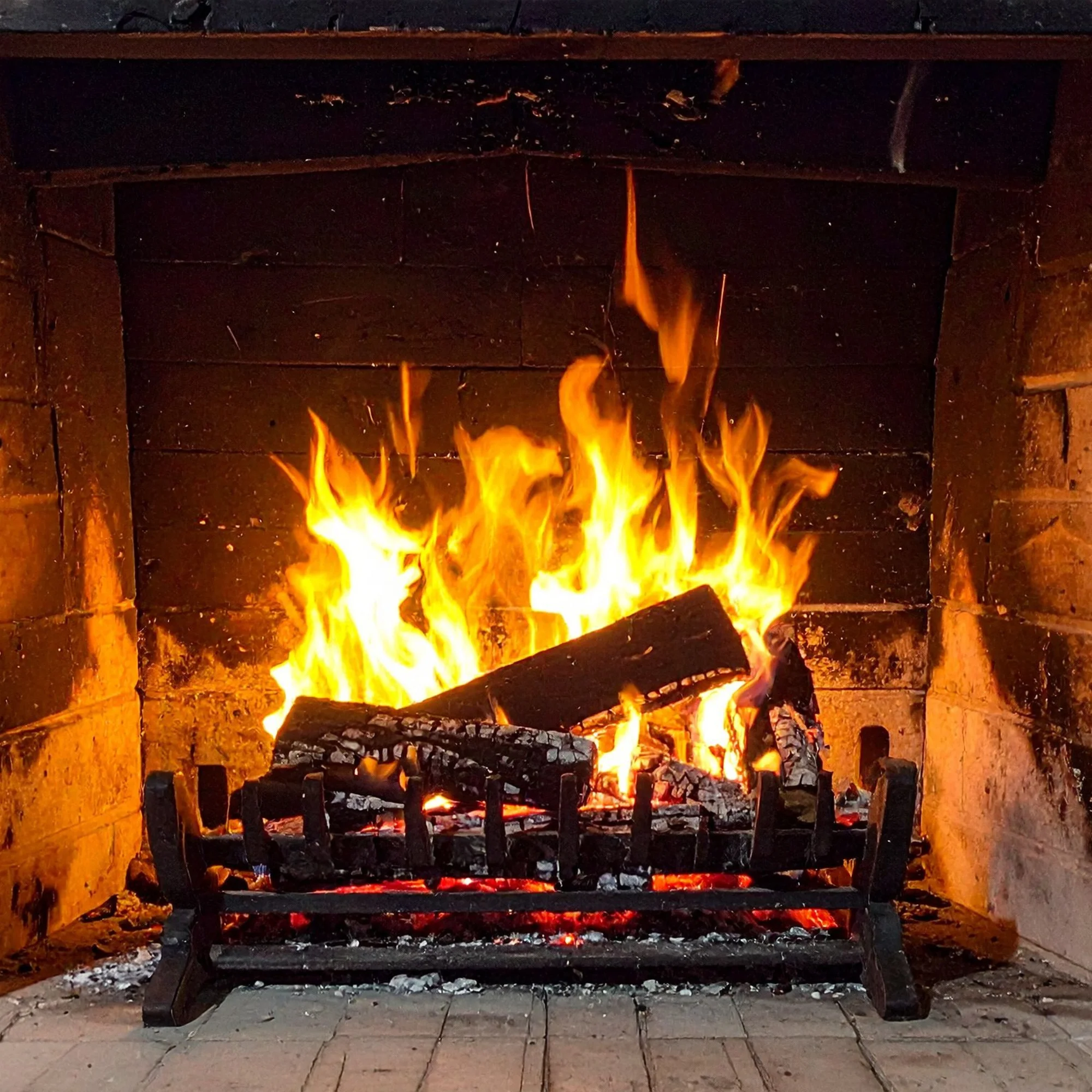
Most Indianapolis homeowners think a chimney sweep is all their fireplace ever needs. The short version is that a wood fireplace service covers a lot more than the flue liner. It includes the firebox, damper, smoke chamber, cap, and crown. Each part wears on its own schedule. Miss one, and you can end up with smoke rolling back into your living room or, worse, a flue fire during a cold January night. This post walks through what a full wood fireplace service checks, why each piece matters, and how Central Indiana’s burn season affects your maintenance schedule.
What a Wood-Burning Fireplace System Includes Beyond the Firebox
The firebox is the part you see, but it is only one piece of the system. Above it sits the smoke shelf and smoke chamber, which funnel combustion gases into the flue liner. That liner runs up through the chimney structure and terminates at the flue opening, covered by a chimney cap.
The damper sits just above the firebox throat. It controls airflow when you open or close it. Many Indianapolis homes built before 1980 have throat dampers made of cast iron. These corrode over time, especially when moisture gets in through a cracked chimney crown. A damper that does not seal properly wastes heat all winter and lets animals in during warmer months.
The chimney crown is the concrete or mortar cap that covers the top of the masonry structure. It protects everything below it from rain and freeze-thaw cycles. Indianapolis averages around 40 freeze-thaw events per year, which is enough to crack an under-mixed mortar crown in three to five seasons. When the crown fails, water works into the brick and accelerates every other problem on this list.
Annual Wood Fireplace Service: What Gets Checked and Why
A proper wood fireplace service is not just brushing soot out of the flue. A technician works through the system from the firebox floor up to the chimney cap. That means checking the firebox for cracked firebrick and deteriorating refractory mortar, inspecting the damper for warping or corrosion, examining the smoke chamber for missing or spalled mortar, and running a visual inspection of the flue liner for cracks or gaps.
The National Fire Protection Association standard NFPA 211 recommends annual inspection for all wood-burning systems, even if you burned less than a cord of wood. The reason is that a single season is enough to develop Stage 2 creosote in the upper flue sections, where temperatures drop and combustion gases condense. A technician also checks the cap and crown for damage that would not be visible from ground level.
How long a full inspection takes depends on the house. A single-story home with a straight 15-foot flue usually takes 60 to 90 minutes. A two-story home with an offset or a fireplace on each floor can take twice that. Ask your technician what level of inspection they are performing. NFPA 211 defines three levels, and most annual visits are Level 1 unless you are buying or selling the home.
Creosote Stages and What They Mean for Your Service Schedule
Creosote is the tar-like residue that forms when wood smoke cools against the flue walls. It builds up in three stages. Stage 1 is a light, dusty deposit that a standard brush removes easily. Stage 2 is a harder, flaky layer that requires a rotary cleaning system. Stage 3 is a glazed, tar-like coating that sometimes requires chemical treatment before mechanical removal can even start.
What usually happens is that homeowners who burn green or wet wood move through Stage 1 into Stage 2 within a single season. Wet wood burns cooler, which means more unburned particles condense in the flue. Seasoned hardwoods like oak or hickory burn hotter and produce less creosote. A cord of properly seasoned oak with less than 20 percent moisture content is a common benchmark technicians use.
Stage 3 creosote is a fire risk. It ignites at around 451 degrees Fahrenheit, and a flue fire can reach 2,000 degrees or more inside the liner. That temperature can crack a clay tile liner or compromise a metal liner. If a technician finds Stage 3 deposits, the service scope changes from a standard sweep to a more involved chemical treatment and re-inspection.
Damper Condition and Smoke Chamber Problems Common in Indianapolis Homes
Smoke chamber problems show up a lot in older Indianapolis neighborhoods, particularly in homes built during the postwar expansion of the 1950s and 1960s. The smoke chamber walls were often corbeled, meaning the bricks step inward rather than being parged smooth. Rough corbeled walls create turbulence that slows smoke movement and collects creosote faster than a smooth chamber would.
Parge coating, a layer of refractory mortar applied to smooth the chamber walls, is the standard repair. It reduces turbulence, makes the chamber easier to clean, and slows creosote accumulation. A parging job on a medium-sized smoke chamber takes one to two hours of labor. The mortar needs 24 to 48 hours to cure before you use the fireplace.
Damper problems tend to show up as smoke spillage into the room or difficulty controlling the burn. A warped cast iron throat damper may not close fully, which means warm air escapes up the flue all season. Some technicians recommend replacing an aging throat damper with a top-mount damper, which sits at the top of the chimney and doubles as a cap. That option also seals out animals and moisture.
What Happens After a Full Indianapolis Burn Season
Central Indiana burn seasons typically run from October through March, with the heaviest use in December and January when overnight lows drop into the teens. By the end of March, a fireplace that burned two to three cords of wood will have accumulated meaningful creosote deposits and may have absorbed moisture from late-season rain and snowmelt.
Scheduling wood fireplace service in spring, before you close the damper for the summer, has a practical benefit. Any moisture or acidic residue sitting in the flue over a warm, humid Midwest summer accelerates corrosion on metal components and can stain masonry. Cleaning the flue in April or May means the system sits clean through the off-season rather than letting residue work on the liner for six months.
Spring is also when technicians are easier to schedule. Fall demand in Indianapolis spikes sharply in October and November. Homeowners who wait often find two to three week lead times right when they want to start burning.
End-of-Season Checklist for Wood-Burning Fireplace Owners in Central Indiana
- Schedule a wood fireplace service before closing the damper for summer
- Check the firebox floor for cracked firebrick after the last fire of the season
- Inspect the damper handle to confirm it opens and closes fully without binding
- Look at the chimney crown from ground level for visible cracks after the freeze-thaw season ends
- Confirm the chimney cap screen is intact and free of debris after spring winds
- Note any smoke spillage or slow-starting fires from the past season and report them to your technician
- Store remaining firewood away from the house and allow it to dry through summer if it was cut in the past year
- Keep the damper closed after the final cleaning to block summer humidity and insects
Summer Wood Fireplace Service: Why Scheduling Before Fall Makes Sense
June through August is the quietest time of year for chimney work in Indianapolis. That means faster scheduling, more technician availability, and more time to address anything unexpected without rushing before the first cold snap. If an inspection turns up a cracked flue tile or a damaged smoke chamber, summer gives you time to source materials and complete the repair properly.
Clay tile liner repairs, for example, often require waiting for a HeatShield or CrownCoat product to cure fully, which takes several days in warm conditions. Scheduling a wood fireplace service in July means the repair is complete and cured well before October. Waiting until late September compresses that timeline considerably.
There is also a moisture argument for summer service. A freshly cleaned flue stays drier over the summer than one that still holds creosote and ash. Ash is hygroscopic, meaning it pulls moisture from the air. That moisture mixes with sulfur compounds in the ash to form mild acids that slowly attack mortar joints inside the firebox.
Frequently Asked Questions
How often does a wood fireplace need professional service?
NFPA 211 recommends inspection every year, regardless of how much you burned. If you burned more than two cords in a season, or if you noticed any smoke spillage, a full wood fireplace service including sweeping and inspection is appropriate before the next burn season. Light users who burned less than half a cord may find their technician recommends a Level 1 inspection without a full sweep, but that call depends on what the inspection reveals.
What type of wood causes the most creosote buildup?
Wet or green wood is the main driver. Wood with moisture content above 20 percent burns cooler, and cooler fires produce more unburned gases that condense as creosote in the upper flue. Softwoods like pine are often cited, but the moisture content matters more than the species. Well-seasoned pine burned hot causes less buildup than green oak burned low and slow.
Can I use my wood fireplace if I have not had it serviced in two years?
Two seasons without service is long enough to develop Stage 2 creosote in most actively used fireplaces. Before burning again, get an inspection. A technician can tell you whether the flue is safe to use as-is or whether it needs cleaning first. Using a fireplace with heavy creosote deposits or an unknown liner condition is one of the more common causes of residential chimney fires.
What is the difference between a chimney sweep and a full wood fireplace service?
A chimney sweep refers specifically to cleaning the flue of creosote and soot. A full wood fireplace service includes the sweep plus a systematic inspection of the firebox, damper, smoke shelf, smoke chamber, liner, crown, and cap. The inspection identifies problems the sweep alone would not catch, such as a cracked liner, a failing crown, or a warped damper. Think of the sweep as one task within the broader service visit.
Pulling It All Together
A wood fireplace is a system with a lot of individual parts, and each one follows its own wear schedule. Annual wood fireplace service keeps all of them on your radar before a small problem becomes a cold-weather repair. For Indianapolis homeowners, scheduling that service in spring or early summer is the practical move. It beats the fall rush, gives time to handle repairs, and keeps the flue clean through a humid Midwest summer. The fireplace will be ready when you actually need it.