
Chimney Liners Repair
Professional Chimney liners Repair to fix cracks, improve airflow, and protect your home from heat, smoke, and structural chimney damage

Inspections

Fires Prevented

Chimney Sweeps

Chimney Repairs
What Chimney Liner Repair Involves
Chimney liner repair means fixing damage to the existing liner without tearing it out and starting over. The liner is the protective barrier inside your chimney flue. It shields the masonry from heat, moisture, and corrosive byproducts that come from burning wood or gas. When that barrier fails, smoke and gases can leak into the chimney structure itself. That’s when cracks in your home’s walls start appearing, or you smell smoke in rooms that shouldn’t have it.
Most chimneys in Indianapolis have one of three liner types. Clay tile liners are the most common. They’re made of individual terracotta sections stacked inside the flue. Metal liners are usually stainless steel or aluminum, installed as a continuous pipe. Cast-in-place liners are poured cement mixtures that form a smooth, sealed channel. Each type fails differently and requires different repair approaches.
How Repair Methods Vary
Clay tile repairs might involve replacing a few cracked tiles if the damage is isolated. A mason removes the damaged sections and installs new tiles with refractory mortar. If multiple tiles are cracked but the overall structure is sound, a tech might apply a sealant coating to stabilize them. Metal liners can sometimes be patched if corrosion or a small puncture is caught early. More often, though, a corroded metal liner needs full replacement because the damage spreads quickly once it starts.
Cast-in-place repairs usually mean applying a new layer over the existing damaged surface. It’s similar to relining, but uses the old liner as a base instead of removing it.
Here’s the thing. Chimney liner work isn’t something you eyeball from a ladder. It requires specialized tools to inspect the inside of the flue, knowledge of building codes, and experience working in tight vertical spaces. Most homeowners don’t realize how much skill goes into aligning tile sections or ensuring a cast liner bonds correctly. Getting it wrong means smoke intrusion, carbon monoxide risk, or a chimney fire down the line.
How Chimney Liner Repair Works
The process starts with a thorough inspection. A technician will use a camera to check the entire length of the liner from top to bottom. They’re looking for cracks, missing sections, gaps between tiles, spalling, and any spots where the liner has pulled away from the chimney walls. This step matters because you can’t fix what you haven’t identified, and damage in one area often signals problems elsewhere.
Once they’ve mapped out the damage, they’ll determine severity. A single hairline crack in a clay tile liner is very different from multiple missing tiles or a collapsed section. The location matters too. Damage near the bottom where condensation collects gets treated differently than damage at the top where heat is concentrated.
Choosing the Right Repair Method
Here’s where things split into three main approaches. Each one works best for specific situations.
Localized clay tile repair works when you have just a few damaged tiles and good access from the top or through a cleanout. The technician removes the broken tiles and installs new ones, sealing the joints with high temperature mortar. This only makes sense when most of the liner is still in good shape.
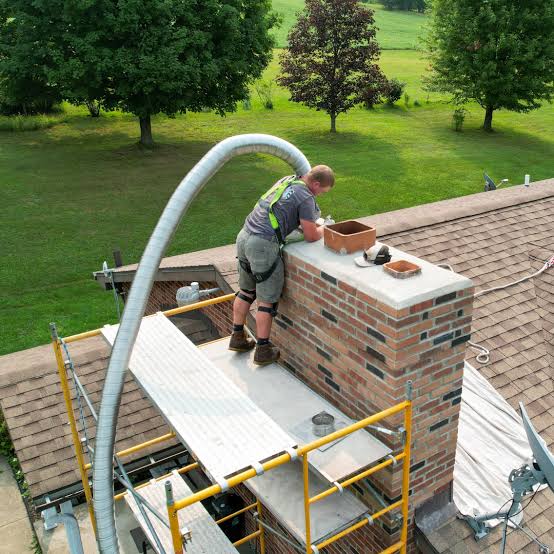
Stainless steel relining gets used when the existing liner has widespread damage or when the original installation never had a proper liner at all. A flexible stainless steel tube gets inserted from the top and runs the full height of the chimney. It creates a completely new liner inside the old flue. Most homeowners don’t realize this is often the most reliable long term solution because it eliminates all the old joints and cracks in one shot.
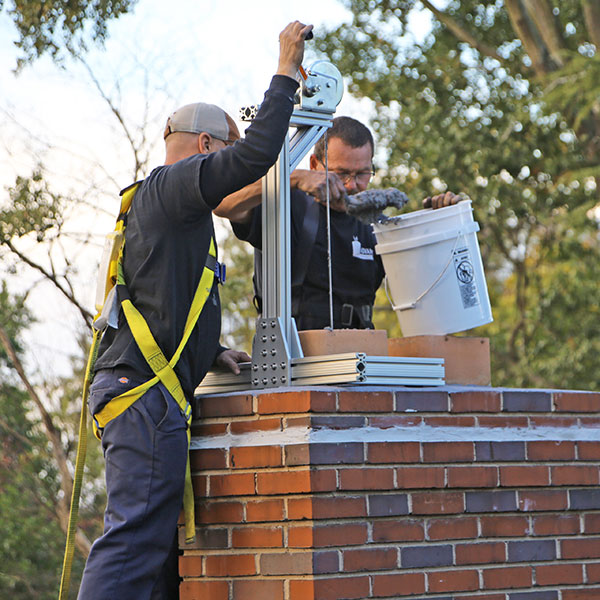
Cast-in-place repairs involve pumping a cement-based material around an inflatable form inside the chimney. When it cures, you get a seamless liner that fills gaps and reinforces the entire structure. This works well when access is limited or when the chimney needs both liner repair and structural support.
What determines which method gets used? Access to the chimney interior, how much of the liner is damaged, what type of liner you currently have, local code requirements, and whether your chimney needs any structural work at the same time. After repairs, a final camera inspection confirms everything is sealed properly before the system gets put back in service.
Why Repairing a Damaged Chimney Liner Matters
A damaged chimney liner puts your home at serious risk. The liner is the only barrier between combustion gases and the rest of your chimney structure. When it cracks or deteriorates, dangerous byproducts can escape into spaces they were never meant to reach.
Carbon monoxide is the biggest concern. This odorless gas can seep through cracks in the liner and enter your living space. It happens gradually, often without obvious warning signs. What usually happens is the liner develops small fractures over time, especially in older Indianapolis homes with original clay liners that were installed decades ago. Those fractures let exhaust gases migrate into the masonry, and eventually into your home.
Heat transfer is another issue. A compromised liner lets extreme heat reach combustible materials in your walls and attic framing. The liner is designed to contain temperatures that can exceed 1,000 degrees. Without that protection, wood framing near the chimney can char slowly over months or years. Most homeowners don’t realize this is happening until they see discoloration on walls or smell smoke where they shouldn’t.
Moisture Damage and Draft Problems
Cracks also let moisture into the masonry. Here’s what that really means for Texas homes. Our high humidity combines with occasional freeze-thaw cycles in winter. Water gets into those cracks, freezes, expands, and makes the damage worse. Over time, this leads to crumbling mortar joints and spalling brick. The chimney starts breaking down from the inside out.
A damaged liner also disrupts draft. Rough edges and gaps create turbulence that slows the upward flow of gases. Your fireplace or heating appliance can’t vent properly. Smoke backs up into the room. The appliance runs inefficiently because it’s not getting the airflow it needs. That’s usually when problems become obvious, but by then the damage has already spread.
Common Misconceptions About Repairing Chimney Liners
Plenty of homeowners believe that any crack in a liner means the whole thing needs replacing. That’s not usually how it works. Small gaps or minor deterioration can often be fixed with a relining sleeve or targeted repair. Full replacement is necessary when the damage runs the full height or when the liner’s material has degraded beyond patching. But a crack in one section doesn’t automatically mean you’re looking at a complete tearout.
Another common myth is that sealants or spray coatings can fix structural damage. Here’s the thing. These products might cover surface cracks or smooth out minor wear, but they don’t restore the liner’s ability to contain heat or block moisture. A real crack in clay tile or a corroded section of metal liner needs more than a coating. Sealants can help after a proper repair, but they’re not a substitute for fixing the actual problem.
Most homeowners don’t realize that chimney liners don’t last forever. Clay tile can crack from thermal shock or settling. Metal liners corrode from condensation and acidic gases. Even stainless steel has a lifespan, especially if your system burns wood or deals with moisture regularly. A liner installed 30 years ago isn’t the same as it was when new, even if it looks fine from below.
Why a Quick Look Isn’t Enough
Looking down the flue from the rooftop might show obvious damage, but it won’t reveal everything. Cracks on the back side, hidden corrosion, or gaps between sections often stay out of sight. That’s why a camera inspection matters. It shows what’s really happening along the full length of the flue liner.
And repair isn’t just cosmetic. A damaged liner lets heat, smoke, and gases reach combustible framing or masonry. Over time, this leads to bigger safety risks and more expensive fixes. Treating liner repair as optional because it “still works” misses the point. The liner’s job is containment, and once that’s compromised, the whole system’s at risk.
Practical Guidance for Homeowners Facing Liner Repair
If you suspect your chimney liner needs attention, the first step is getting an inspection. Most homeowners wait until they see visible damage or smell smoke inside the house. That’s often too late. Schedule an inspection if you’re buying an older home, if you haven’t had one in over five years, or if you’ve noticed any signs of trouble like water stains or crumbling mortar.
Finding the Right Professional
Not all chimney sweeps handle liner repairs, and not all masons understand chimney systems. Look for someone certified by the Chimney Safety Institute of America or a contractor with documented liner installation experience. Ask how many liners they’ve replaced in the past year. Ask what type they recommend for your setup and why. A qualified professional will explain the differences between stainless steel, aluminum, and cast-in-place options based on your fuel type and chimney condition.
When you get quotes, make sure they include the inspection report, the specific liner type and dimensions, labor, materials, and any necessary prep work like cleaning or minor masonry repairs. A vague quote that just says “liner replacement” is a red flag. You want itemized costs so you can compare apples to apples.
Timeline and Cost Expectations
Most liner replacements take one to two days. Simple drop-in liners go faster. Cast-in-place systems need curing time. Costs in Indianapolis typically range from $1,500 to $5,000 depending on height, liner type, and complexity. Shorter chimneys with straight runs cost less. Taller chimneys with bends or offsets cost more.
After installation, have the liner inspected annually. Burn only seasoned wood if you use a fireplace. Avoid closing the damper until the fire is completely out. These small habits extend liner life and keep your system working safely for years.
Chimney Liner Repair FAQs
How much does chimney liner repair typically cost?
Most homeowners in Indianapolis spend between $600 and $2,500 for chimney liner repair, but the range depends on what’s actually damaged. A simple crack seal runs cheaper, while replacing a full section of liner costs more. The material matters too. Clay tile repairs usually fall on the lower end because you’re replacing individual tiles. Stainless steel liner repairs can push higher if corrosion has spread across multiple feet. Your chimney’s height and accessibility also affect labor time. A single-story home with easy roof access keeps costs down compared to a two-story with a steep pitch.
Do I really need to repair a damaged chimney liner?
Yes, and here’s why. The liner is what keeps combustion gases, heat, and creosote contained inside the flue. When cracks or gaps develop, those gases can seep into the masonry and eventually into your living space. Carbon monoxide is odorless, so you won’t smell it coming through. Heat transfer through damaged areas can also ignite framing lumber behind your chimney. Most homeowners don’t realize the liner acts as a protective barrier between 1,000-degree gases and everything around it. Without that barrier intact, you’re risking both air quality problems and fire hazards. Insurance companies take this seriously during claims investigations.
When should I schedule chimney liner repair?
Schedule repairs as soon as you know there’s damage. That usually comes from a chimney inspection or visible signs like flaking tiles in the firebox, rust stains on the damper, or a smoky smell in the house when you’re not burning anything. Spring and fall are ideal timing because contractors have better availability and weather cooperates for rooftop work. Don’t wait until winter when you want to use the fireplace. What usually happens is a small crack expands through freeze-thaw cycles, turning a simple repair into a full liner replacement. The damage doesn’t improve on its own.
What methods do professionals use for chimney liner repair?
The repair method depends on the liner type and damage extent. For clay tile liners with a few cracked tiles, technicians remove and replace those specific sections from the top down. Stainless steel liners with small holes or separated joints get patched with high-temp sealant or new connector bands. Cast-in-place repairs involve applying a cement-based coating inside the entire flue, which essentially creates a new smooth surface over the damaged one. This works well for liners with multiple cracks or deterioration that’s hard to access. Video inspection helps determine which approach makes sense for your situation.
How long does a repaired chimney liner last?
A properly repaired liner can last 15 to 30 years depending on fuel type and maintenance habits. Gas appliances produce less corrosive byproducts, so repairs hold up longer. Wood-burning creates more creosote and acidic condensation, which can stress repaired areas faster if you don’t clean the chimney regularly. Cast-in-place repairs typically outlast patched sections because they cover the entire surface. The key factor is addressing what caused the original damage. If moisture infiltration damaged your liner and you don’t fix the crown or flashing, the repair won’t last as long as it should.
Conclusion
Chimney liner repair sits in a strange category of home maintenance. It’s tucked inside brick and mortar, completely out of view. You can’t inspect it during a walk around the house, and most damage develops slowly enough that nothing feels urgent until something actually goes wrong.
That invisibility is part of what makes liner issues tricky. A deteriorating liner doesn’t make noise. It doesn’t drip water onto the floor or send up obvious warning signs. What it does is quietly allow heat, smoke, and corrosive gases to reach places they shouldn’t. Over time, that leads to cracked masonry, carbon monoxide risks, and sometimes structural damage you won’t see until it’s expensive.
Here’s the thing. Most homeowners don’t think about the inside of their chimney until a professional points out a problem. And that’s actually fine, as long as someone qualified is looking at it every few years. A camera inspection catches cracks, gaps, missing sections, and deterioration before any of it becomes a safety issue.
Chimney flue liner repair isn’t glamorous, but it’s one of the more important systems in an older home. When a liner fails, the chimney stops doing its job safely. When it’s intact and well maintained, the system works exactly as it should for decades.
The good news is that repairing a chimney liner is straightforward when handled by someone who knows what they’re doing. Whether it’s a stainless steel insert, a cast-in-place reline, or sectional tile replacement, the fix is manageable. Liner damage doesn’t fix itself, but it also doesn’t require panic. It just requires the right information and a qualified contractor who can explain what’s actually needed.
Frequently Asked Questions
How Often Should I Have My Chimney Cleaned?
Most homeowners should have their chimney inspected once a year and cleaned as needed. If you regularly use a wood-burning fireplace, creosote can build up inside the flue over time. This buildup is highly flammable and can increase the risk of a chimney fire. Even if you don’t use your fireplace often, debris, animal nests, and moisture can still create safety concerns. An annual chimney inspection helps ensure your fireplace and chimney system remain safe, clean, and ready to use throughout the year.
How Much Does a Chimney Inspection Cost?
The cost of a chimney inspection depends on the type of inspection required and the condition of the chimney. Basic inspections are typically less expensive, while more detailed inspections may include specialized equipment such as chimney cameras to evaluate the entire flue system. A professional inspection can help identify potential issues before they become costly repairs, making it one of the most valuable investments homeowners can make for their fireplace and chimney.
Is a Chimney Inspection Really Necessary If Everything Seems Fine?
What Are the Signs That My Chimney Needs Repair?
Will Homeowners Insurance Cover Chimney Repairs?
What Is Included in a Professional Chimney Inspection?
A professional chimney inspection typically includes a thorough evaluation of the chimney structure, fireplace, flue, chimney cap, crown, masonry, and other visible components. The technician checks for damage, blockages, creosote buildup, water intrusion, and potential safety hazards. Depending on the inspection level, specialized camera equipment may also be used to inspect areas that cannot be seen from the ground or fireplace opening. After the inspection, homeowners receive recommendations for any cleaning, maintenance, or repairs that may be needed.