
Chimney Masonry Repair
Chimney Masonry Repair fixes damaged bricks, mortar joints, and structural wear Prevent water intrusion and restore chimney stability

Inspections

Fires Prevented

Chimney Sweeps

Chimney Repairs
What Chimney Masonry Repair Actually Involves
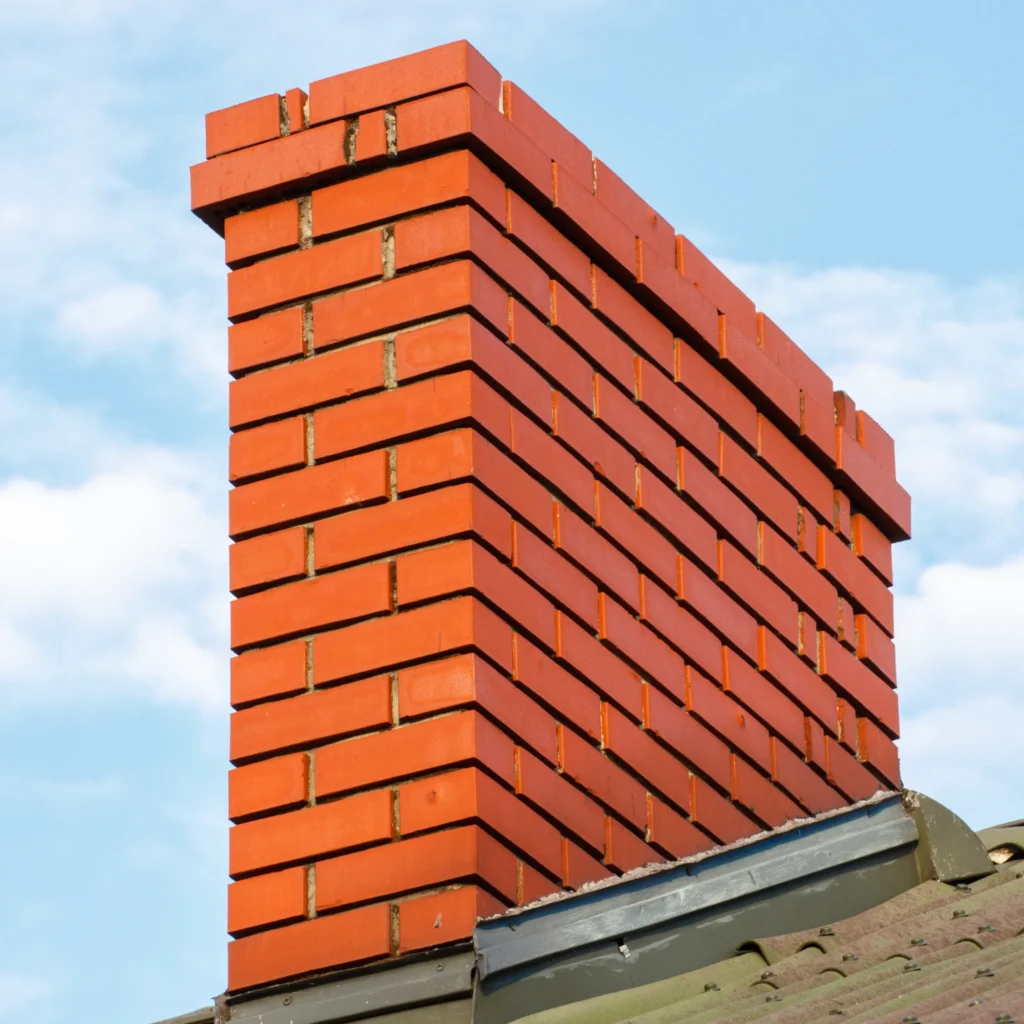
Chimney masonry repair covers any work done to fix or replace the brick, stone, mortar, or crown that makes up the exterior structure of your chimney. It’s everything you can see on the outside, plus the structural components that hold it all together.
Here’s what that really means. If water has washed out the mortar joints between bricks, that’s masonry work. If the concrete crown at the top has cracked and needs rebuilding, that’s masonry. If bricks have started to crack or spall (flake apart), replacing those damaged units falls under masonry repair.
What it doesn’t include is anything inside the chimney. The flue liner, the smoke chamber, the damper. Those are separate systems. Masonry repair focuses on the structure itself, not what’s happening inside the passage where smoke travels.
Minor Repairs vs. Full Rebuilds
The scope can vary dramatically. On the lighter end, you have repointing. That’s when a mason grinds out deteriorated mortar joints and refills them with fresh mortar. It’s common after years of weather exposure, especially in Indianapolis where we get those freeze/thaw cycles that crack mortar over time.
Then there are partial rebuilds. Maybe the top few courses of brick above the roofline have deteriorated badly. A mason takes them down and rebuilds that section. This usually happens when water damage has gone unchecked for years.
At the far end, you have complete rebuilds from the roofline up or even down to the foundation. This happens when the structure has shifted, tilted, or degraded to the point where patching won’t hold. Most homeowners don’t realize how much the chimney depends on a solid foundation and proper flashing where it meets the roof.
Understanding the difference matters because a contractor quoting repointing versus a partial rebuild is talking about very different timelines and costs. Repointing might take a day. A rebuild could take a week or more depending on height and access.
How Chimney Masonry Repair Is Performed
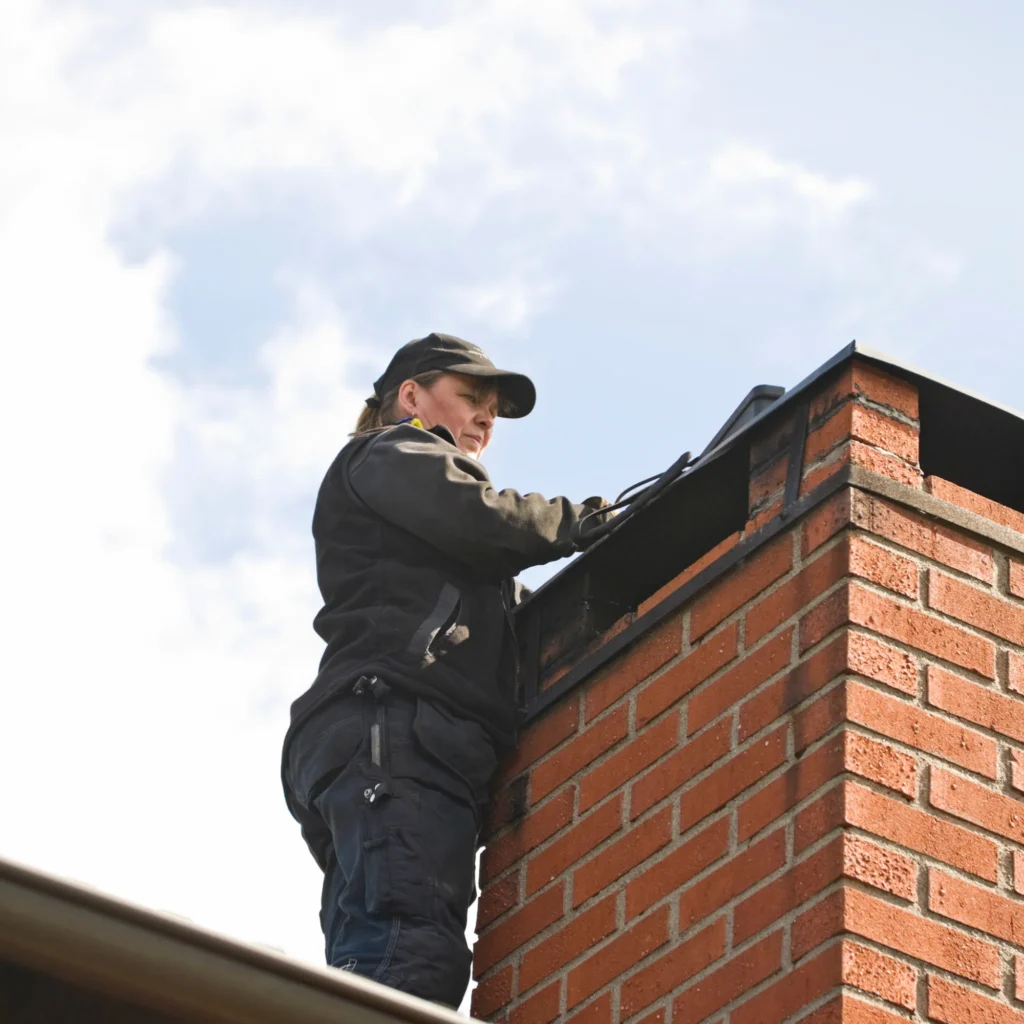
The first step in any chimney masonry repair is a thorough inspection. A mason will examine the exterior brick, mortar joints, crown, and flashing to identify exactly where damage exists. They’re looking for cracks, gaps, spalling brick, and areas where water has already gotten inside. This tells them whether you need minor repointing or more extensive brick replacement.
Once the damage is mapped out, the mason removes deteriorated mortar using a grinder or chisel. The goal is to grind out the joints to a depth of about three quarters to one inch. Going too shallow means the new mortar won’t bond properly. Going too deep can weaken the wall. This is where experience matters.
Tuckpointing vs Full Brick Replacement
Tuckpointing refers to replacing just the mortar between bricks. It’s what most homeowners need when the joints are crumbling but the brick itself is still solid. The mason mixes new mortar to match the original in color, texture, and strength. Using the wrong mortar type can cause problems later. Hard modern mortar on an old chimney can actually trap moisture and crack the brick.
If the brick itself is crumbling or badly spalled, tuckpointing won’t fix it. The mason has to remove damaged bricks and replace them with new ones that match the size and appearance of the originals. This costs more and takes longer, but it’s the only real solution when brick has deteriorated.
Crown and Waterproofing Work
The chimney crown is the concrete or mortar cap at the top. When it cracks, water pours straight down into the flue and masonry. Masons either patch small cracks with elastomeric sealant or rebuild the entire crown if it’s too far gone. A properly sloped crown sheds water away from the flue opening.
After repairs are finished, many masons apply a breathable waterproofing sealer to the exterior brick. This repels rain but still lets moisture vapor escape from inside. It’s not mandatory, but it extends the life of the repair, especially in areas with freeze-thaw cycles.
Why Masonry Damage Can’t Be Ignored
Masonry problems don’t stay the same size. They get worse. What starts as a hairline crack or a few crumbling mortar joints opens the door to water, and that’s when things start to snowball.
Here’s what usually happens. Water finds its way into those cracks and settles behind the brick or stone. In Indianapolis, we get temperature swings that might not freeze solid like up north, but we still see enough cold snaps to cause trouble. When water inside masonry freezes, it expands. That expansion pushes the material apart from the inside. When it thaws, the crack is now bigger. Next rain, more water gets in. Next cold spell, more expansion. The cycle keeps repeating, and the damage spreads faster than most homeowners expect.
What Happens Inside the Wall
Once water gets behind the masonry, it doesn’t just sit there. It soaks into wood framing, insulation, and drywall. Over time, this leads to rot, mold growth, and stains on interior walls. You might notice peeling paint or a musty smell in certain rooms before you ever see the exterior problem getting worse.
Masonry also plays a role in fire safety. Brick and stone are fire resistant materials that help contain flames and slow spread. When mortar deteriorates or bricks become loose, that protective barrier weakens. It’s not something you think about until it matters.
Why Time Makes It Worse
The thing about masonry damage is that it’s progressive. A small crack this year becomes a loose brick next year. Loose bricks can shift and destabilize the surrounding area. What might have been a simple repointing job turns into a partial rebuild because the problem kept expanding while it was ignored.
Most homeowners don’t realize that masonry is holding up significant weight. When it starts to fail, the loads shift in ways the structure wasn’t designed to handle. That’s when you see sagging lintels, leaning walls, or cracks that run in multiple directions.
Common Misconceptions About Chimney Masonry Repair
Most homeowners don’t realize that small cracks in chimney brick or mortar actually do matter. A hairline crack might seem harmless, but it lets water in. Once water gets behind the masonry, it freezes and expands during winter. That expansion forces the crack wider. Over a few seasons, what started as a thin line becomes a gap that compromises the entire structure.
Another common mistake is thinking all mortar is the same. Hardware stores sell general purpose mortar that works fine for patios or retaining walls. But chimneys need specific mortar types that match the original mix in terms of hardness and flexibility. Using the wrong mortar can actually cause more damage because it doesn’t expand and contract at the same rate as the old material. The mismatch creates stress points where new cracks form.
Why DIY Fixes Usually Fail
Here’s the thing. Masonry repair looks simple from the outside. You scrape out old mortar, pack in new stuff, and smooth it off. But the depth matters. The angle matters. The curing time matters. Most DIY repairs only fill the surface without addressing how deep the damage goes. Within a year or two, that patch falls out because it never bonded properly to the surrounding brick.
Homeowners also confuse cosmetic issues with structural ones. Staining or surface discoloration might look bad, but loose bricks or crumbling mortar joints actually affect how the chimney holds together. A cosmetic problem stays cosmetic. A structural problem gets worse every season.
Let’s be honest. Putting off masonry repairs doesn’t save money. What starts as repointing a few joints can turn into rebuilding an entire section of the chimney once water damage spreads. The longer you wait, the more brick deteriorates and the higher the final bill climbs. Masonry work requires specific tools, knowledge of mortar types, and understanding how chimneys handle heat and moisture. Getting it right the first time prevents expensive do overs down the road.
How to Approach Chimney Masonry Repair as a Homeowner
Most homeowners don’t realize their chimney needs work until the damage becomes obvious. By then, water has usually been getting inside for a while. The first signs are typically crumbling mortar between bricks, gaps you can see daylight through, or white staining on the exterior. If you notice any of these, it’s time to get someone out to look at it.
Finding the right mason matters more than most people think. Not all contractors who work with brick understand chimneys specifically. You want someone who’s done chimney brick repair before, not just general masonry. Ask how many chimneys they work on each year. Experience matters because chimney mortar repair requires matching the original mortar type and strength. If they use modern mortar that’s too hard, it can actually crack the bricks when temperatures change.
What to Look for in Estimates
A good estimate should break down exactly what they’re fixing. If it just says “repointing chimney” with a total price, that’s a red flag. You want to see how many courses they’re repairing, whether they’re replacing any bricks, and what type of mortar they’ll use. Ask for references from other chimney jobs. Call at least two of them and ask if the work held up through a few winters.
Timing matters in Indianapolis. Spring and fall are ideal because mortar needs moderate temperatures to cure properly. Summer heat can make it dry too fast. Winter cold slows the curing and can cause problems if temperatures drop below freezing before it sets. Most masons won’t do tuckpointing work if rain is expected within 24 hours.
During the repair, expect scaffolding and some mess. Good contractors cover the area and clean up daily. The work itself is dusty and loud when they’re grinding out old mortar. A typical chimney masonry restoration on a two-story house usually takes two to four days, depending on how much needs fixing.
Chimney Masonry Repair FAQs
How much does chimney masonry repair cost?
Most chimney brick repair jobs in Indianapolis run between $1,000 and $3,500, depending on what needs fixing. Simple repointing work, where a mason replaces damaged mortar between bricks, usually costs less. Rebuilding a crumbling chimney crown or replacing spalled bricks pushes costs higher. The height of your chimney matters too. A two-story home requires more scaffolding and labor time than a single-story ranch. What really drives the price up is the extent of damage. If water got behind the bricks and damaged the structure underneath, you’re looking at more invasive repairs. Most masons charge by the square foot or offer project-based pricing after inspecting the damage firsthand.
How long does masonry chimney repair take?
A typical chimney masonry repair takes one to three days for most residential jobs. Simple mortar repointing on a standard chimney usually wraps up in a day. Larger projects involving brick replacement, crown rebuilding, or flashing repairs stretch into two or three days. Weather plays a big role here. Mortar needs time to cure properly, and masons won’t work in freezing temperatures or heavy rain. The curing process means you might need to wait 24 to 48 hours between certain steps. Here’s the thing. Rushing masonry work creates problems down the road. Proper curing ensures the repair holds up through Indianapolis summers and those occasional hard freezes we get in winter.
Can I repair chimney masonry myself?
Homeowners with solid DIY skills can handle minor repointing jobs on lower chimneys, but most chimney masonry work isn’t beginner-friendly. Working two stories up on scaffolding or a roof creates serious safety risks. Beyond that, mixing mortar to the right consistency and matching the existing mortar type requires experience. Use the wrong mortar mix and you’ll trap moisture inside the bricks, causing more damage than you started with. Replacing damaged bricks looks straightforward until you realize the surrounding structure needs temporary support while you work. Most homeowners don’t realize that improper chimney repairs can create fire hazards or structural issues. If the damage extends beyond a few visible cracks, bringing in someone experienced makes sense.
When should chimney bricks be repaired?
You should fix chimney bricks as soon as you notice crumbling mortar, cracks wider than a quarter inch, or bricks that look flaky or cracked. White staining on bricks, called efflorescence, means water is moving through the masonry and carrying salts to the surface. That’s usually when problems start accelerating. Loose or missing bricks need immediate attention before they fall and cause property damage or injuries. Inside the house, water stains on walls near the chimney or a damp smell in the fireplace area signal that the exterior masonry is letting water in. Indianapolis freeze-thaw cycles are mild compared to northern states, but even our occasional freezes can worsen existing cracks quickly once water gets inside.
What happens if you don’t repair chimney masonry?
Ignoring damaged chimney masonry leads to progressively worse problems. Water enters through cracks and damaged mortar joints, then freezes and expands during cold snaps. This cycle breaks apart more bricks and mortar each year. Over time, this leads to bricks loosening and potentially falling off the chimney. Water that gets inside doesn’t just damage the exterior. It rots the wooden structure supporting your chimney, rusts the metal damper and firebox components, and eventually leaks into your attic and walls. The chimney liner can crack from the shifting structure, creating a fire hazard when you use the fireplace. And that’s where it gets expensive. What might have been a $1,500 repointing job becomes a $10,000 partial rebuild because the damage spread too far.
Conclusion
Masonry doesn’t announce itself. It holds up quietly in the background, doing its job season after season without asking for much. Most homeowners don’t think about their chimney until something goes visibly wrong. But the truth is, by the time damage becomes obvious, it’s usually been building for a while.
That’s not meant to create worry. It’s just how brick and mortar work. They age slowly, shift gradually, and wear down in ways that don’t always show up right away. The good news is that catching issues early makes a real difference. A small crack sealed now stays small. Mortar that gets repointed before it crumbles doesn’t let water behind the brick. That’s the whole point of paying attention.
Chimneys are built to last generations. When they’re maintained thoughtfully, they do exactly that. The ones that fail early usually weren’t neglected out of laziness. Most of the time, homeowners just didn’t know what to look for or when to act. Understanding the signs changes that.
Staying Ahead Without Stress
Chimney maintenance doesn’t need to be stressful or expensive if you stay ahead of it. A yearly visual check, especially after heavy weather, keeps you informed. Addressing minor brick repair or mortar issues before they spread saves money and protects the structure long term. It’s not about reacting in a panic. It’s about being responsible for something that was built to protect your home.
When you know what matters and why it matters, you make better decisions. That’s what informed homeownership looks like.
Frequently Asked Questions
How Often Should I Have My Chimney Cleaned?
Most homeowners should have their chimney inspected once a year and cleaned as needed. If you regularly use a wood-burning fireplace, creosote can build up inside the flue over time. This buildup is highly flammable and can increase the risk of a chimney fire. Even if you don’t use your fireplace often, debris, animal nests, and moisture can still create safety concerns. An annual chimney inspection helps ensure your fireplace and chimney system remain safe, clean, and ready to use throughout the year.
How Much Does a Chimney Inspection Cost?
The cost of a chimney inspection depends on the type of inspection required and the condition of the chimney. Basic inspections are typically less expensive, while more detailed inspections may include specialized equipment such as chimney cameras to evaluate the entire flue system. A professional inspection can help identify potential issues before they become costly repairs, making it one of the most valuable investments homeowners can make for their fireplace and chimney.
Is a Chimney Inspection Really Necessary If Everything Seems Fine?
What Are the Signs That My Chimney Needs Repair?
Will Homeowners Insurance Cover Chimney Repairs?
What Is Included in a Professional Chimney Inspection?
A professional chimney inspection typically includes a thorough evaluation of the chimney structure, fireplace, flue, chimney cap, crown, masonry, and other visible components. The technician checks for damage, blockages, creosote buildup, water intrusion, and potential safety hazards. Depending on the inspection level, specialized camera equipment may also be used to inspect areas that cannot be seen from the ground or fireplace opening. After the inspection, homeowners receive recommendations for any cleaning, maintenance, or repairs that may be needed.