
Chimney Repair
Get trusted Chimney Repair to fix leaks, cracks, and drafting issues Keep your fireplace safe, efficient, and protected in every season

Inspections

Fires Prevented

Chimney Sweeps

Chimney Repairs
What Chimney Repair Actually Involves
Chimney repair is fixing damage to the parts of your chimney that keep it standing safely and working the way it should. That sounds simple, but here’s the thing. It’s not one type of job. It can mean patching a few cracked bricks, replacing a rusted damper, or completely rebuilding a section of the structure that’s started to lean or crumble.
Most homeowners don’t realize how much variation there is. You might need a small mortar touchup where the joints between bricks have started to wear down. Or you could be looking at something bigger, like replacing the crown at the top of the chimney because water has gotten in and caused it to crack. Some jobs take a few hours. Others take days and involve scaffolding, liners, flashing, and masonry work from the ground up.
What usually happens is something small goes unnoticed. A crack forms in the mortar. Rain gets in. Over time, that water freezes and expands during the winter, pushing bricks apart. By the time you see a visible gap or a leaning stack, the damage has already spread deeper into the structure.
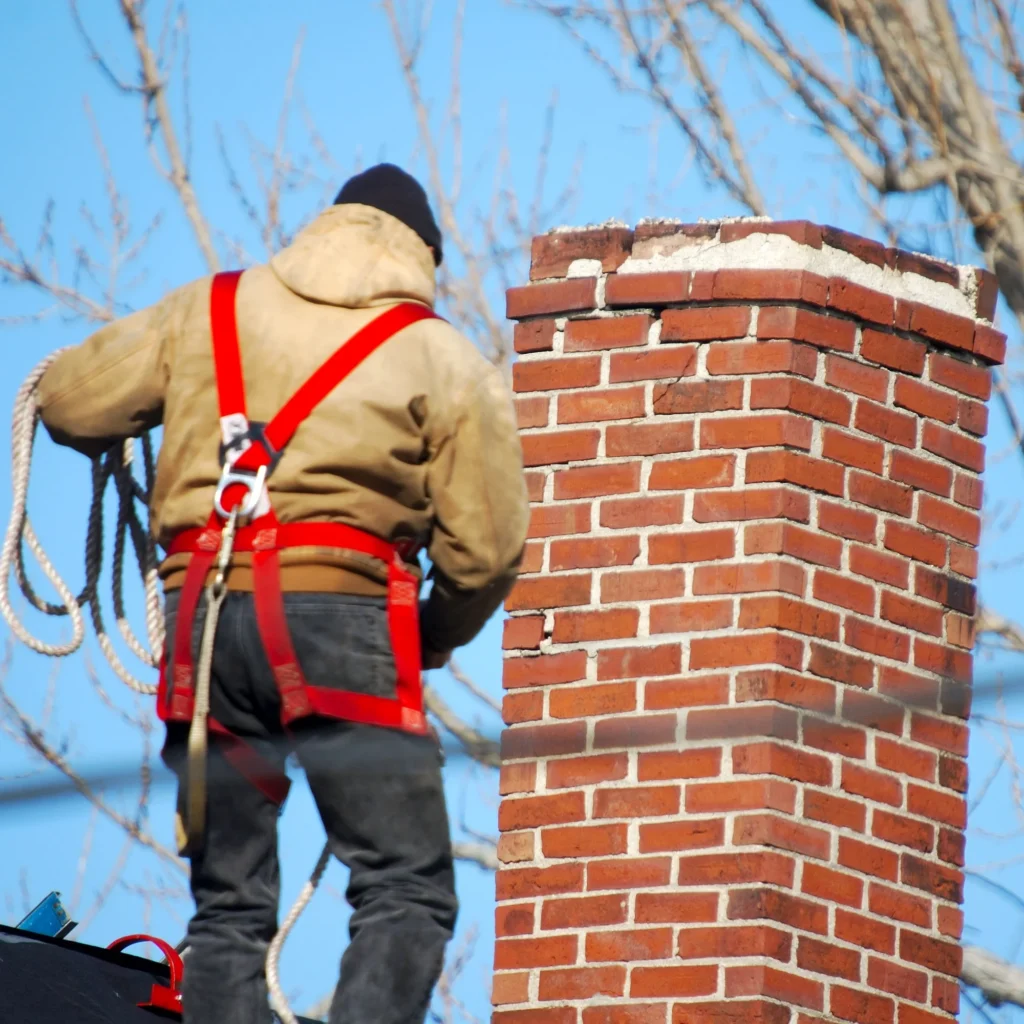
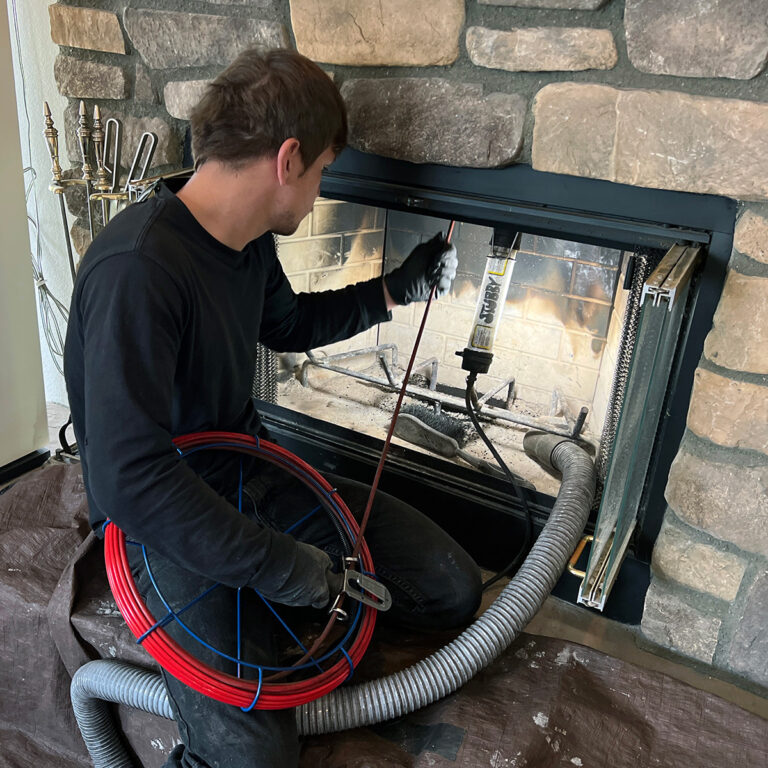
When Fixing a Chimney Becomes Necessary
Chimney work becomes necessary when the materials start to fail. Brick and mortar are tough, but they’re not waterproof. Indianapolis weather cycles between heat, humidity, and occasional freezes. That constant expansion and contraction wears down the outer layers. If the flue liner inside cracks, heat and gases can reach combustible materials in your walls. That’s a fire risk.
Let’s be honest. Most people don’t think about their chimney until they see something wrong or smell smoke in the house. By that point, repairing a chimney often means fixing multiple problems at once. A damaged crown might need rebuilding. The flashing where the chimney meets the roof might need resealing. The liner might need replacing. It’s rarely just one thing, because these systems rely on each part doing its job.
How Chimney Repair Work Is Done
Most chimney repair jobs start with an inspection. A technician will examine your chimney from the roof and inside the house, looking for cracks, missing mortar, damaged flashing, or liner problems. They’ll often use a camera to check areas you can’t see. This first step tells them what’s broken and why it’s happening.
Once they know what needs fixing, they’ll set up scaffolding or ladders to reach the chimney safely. In Indianapolis, most homes have brick chimneys that sit one or two stories up. You’ll hear equipment being moved around and possibly see tarps laid down to protect landscaping or your roof.
The Actual Repair Work
Repointing is one of the most common repairs. The crew will grind out old, crumbling mortar between the bricks and pack in fresh mortar. This keeps water from soaking into the brick and causing more damage. You’ll hear grinding tools and smell dust. It’s loud, but it doesn’t last all day.
Flashing repairs involve removing the metal seal between your chimney and roof, then installing new flashing with proper overlap and sealant. If the chimney crown is cracked, they’ll chip away loose concrete and apply a fresh layer or sealant to stop water from getting inside.
Liner installation is more involved. If your flue liner is cracked or missing, they’ll drop a stainless steel liner down the chimney and secure it at the top and bottom. This keeps smoke and carbon monoxide from leaking into your walls.
Cleanup usually means sweeping up mortar dust, hauling away old materials, and hosing down your roof or driveway. Most crews will leave your property looking the way they found it. The work itself can take anywhere from a few hours to a full day, depending on what’s being fixed. You’ll know it’s done when the noise stops and the scaffolding comes down.
Why Chimney Repair Matters for Your Home
Most homeowners don’t think much about their chimney until something goes wrong. But ignoring even minor damage can lead to problems that affect your safety and your wallet.
When bricks crack or mortar crumbles, the chimney loses its ability to support itself properly. Over time, this leads to leaning or shifting. What starts as a small crack can eventually require a full rebuild if water gets in and freezes during winter months. That expansion weakens the entire structure from the inside out.
Water is often the biggest culprit behind chimney damage. A cracked crown or damaged flashing lets rainwater seep into the chimney system. Once inside, that water travels down through the bricks and into your home. You might notice stains on walls or ceilings near the fireplace, peeling wallpaper, or even mold growth. The damage doesn’t stay contained to the chimney itself.
The Hidden Dangers Inside
Cracked flue liners create a different kind of risk. The flue is supposed to contain combustion gases and direct them safely outside. When cracks develop, carbon monoxide can leak into your living space instead of venting properly. You can’t see or smell it, which makes it particularly dangerous. Detectors help, but they’re a backup system. The flue itself needs to be intact.
Fire hazards develop when creosote builds up inside a damaged liner. Creosote is the sticky, flammable residue that forms when wood burns. In a healthy chimney, regular cleaning removes it before it becomes a problem. But when the liner has cracks or gaps, creosote accumulates in those damaged areas and becomes much harder to remove completely. That buildup can ignite during use, causing a chimney fire that spreads quickly.
Here’s the thing. These issues rarely announce themselves with obvious warning signs. A small crack today becomes a major repair next year. Catching problems early means fixing them before they compound into something more serious and expensive.
Common Misconceptions About Repairing Chimneys
Most homeowners don’t realize how much confusion surrounds chimney maintenance. The myths floating around can lead to expensive damage or unnecessary panic.
One common belief is that chimneys never need attention. People assume masonry lasts forever. What usually happens is the mortar joints deteriorate slowly from temperature swings and moisture. In Indianapolis, our freeze-thaw cycles aren’t as harsh as up north, but summer heat and winter rain still break down the binder holding bricks together. Ignoring routine checks means minor wear turns into structural problems.
Another myth is that small cracks don’t matter. Here’s the thing. A hairline crack in the crown or flue liner might look harmless, but it lets water seep in. Once moisture gets behind the masonry, it weakens the entire structure from the inside out. What starts as a tiny split can turn into spalling bricks and leaning chimneys within a few seasons.
Some homeowners think they can handle mortar repairs themselves with a tube of caulk or premixed cement. DIY fixes might look fine at first, but they rarely match the correct mortar type or mixing ratio. Historic chimneys especially need lime-based mortar that flexes with the brick. Using modern hard cement can trap moisture and cause more damage than leaving it alone.
There’s also fear that any chimney repair means tearing everything down and starting over. That’s usually not true. Many issues only need repointing, crown sealing, or flashing replacement. Full rebuilds happen when homeowners wait too long and the damage spreads beyond what selective fixes can handle.
Let’s be honest about visibility too. You can’t see most chimney problems from the ground. Cracks in the crown, gaps in the flue liner, and deteriorating mortar on upper courses stay hidden until someone climbs up for a close look. By the time damage shows from your yard, it’s often progressed well past the early stages.
Practical Guidance for Homeowners
Most homeowners don’t notice chimney problems until water starts showing up inside the house. By then, the damage has usually been building for months or even years. Learning to spot early warning signs can save you from much bigger repairs down the road.
Start by looking at the brick itself. If you see pieces flaking off or the surface crumbling, that’s called spalling. It happens when water gets into the brick, freezes, and breaks the face apart. White staining on the outside is another red flag. That’s efflorescence, which means water is moving through the masonry and bringing salts to the surface. Both tell you that moisture is getting where it shouldn’t.
Inside, check your attic and the area around the fireplace after heavy rain. Water stains on the ceiling near the chimney or dampness on the walls means the flashing has failed or the crown is cracked. If you notice the chimney leaning even slightly, that’s a foundation issue and needs immediate attention.
When to Schedule an Inspection
A good baseline is once a year, ideally before you start using the fireplace in fall. That gives you time to handle any repairs before cold weather. Also schedule one after major storms, especially if you had high winds or hail. Indianapolis gets some serious weather in spring, and those storms can crack crowns or damage caps without you realizing it.
When you call a chimney professional, ask specific questions. Find out what they’ll inspect, whether they use a camera to check the flue liner, and if they provide a written report with photos. Ask if they’re certified and how long they’ve been working in the area. A good contractor will explain what they find in plain terms and show you the problems.
Basic Maintenance That Helps
Keep your chimney cap in place and in good condition. It stops rain from pouring straight down the flue and keeps animals out. Clear leaves and debris from around the base where the chimney meets the roof. That area traps moisture if it stays clogged. These simple steps give your chimney a much better chance of lasting without major problems.
Chimney Repair FAQs
What factors affect chimney repair costs?
The price depends mainly on what’s broken and where it’s located. Crown repairs usually run less than rebuilding the entire stack from the roofline up. Brick replacement costs vary based on how many courses need work and whether the mason can match your existing brick. Height matters too. A two-story home costs more because of scaffolding and safety setup. Flue liner replacement is one of the pricier jobs since it involves working inside the chimney. Material choice plays a role as well. Stainless steel liners cost more upfront than aluminum but last longer in wood-burning setups. Most homeowners don’t realize that access issues can add to the bill. If your chimney sits on a steep roof or near power lines, that adds time and equipment costs.
Should I repair or replace my chimney?
It comes down to how much of the structure is damaged. If the mortar joints are crumbling in a few spots or the crown has surface cracks, repair makes sense. You’re looking at a fraction of the cost and the brick itself is still solid. But when the chimney leans, has major spalling across multiple sections, or the flue is collapsing, replacement becomes the smarter move. Pouring money into repairs when the foundation or structure is failing just delays the inevitable. Here’s what that really means. A chimney that’s shifting away from the house won’t hold repairs well. The underlying movement will crack new mortar within a year or two. In those cases, tearing down to the roofline and rebuilding gives you decades more life instead of repeated repair bills.
When is the best time to repair a chimney?
Late spring through early fall works best for most chimney work. Mortar needs temperatures above 40 degrees to cure properly. Cold weather slows the curing process and can weaken the bond. Rain is another issue. Fresh mortar washes out easily before it sets, so dry stretches are ideal. That said, some repairs can’t wait for perfect weather. If you have an active leak or a damaged flue liner and you’re still using the fireplace, those need immediate attention regardless of season. What usually happens is homeowners notice problems during winter when they’re actually using the fireplace. If it’s not a safety issue, waiting until spring gives the mason better working conditions and the repair holds up better long term.
Can I repair my chimney myself?
Small cosmetic fixes are possible if you’re comfortable on a roof and know basic masonry. Repointing a few loose mortar joints or sealing minor crown cracks falls into that category. But structural work is a different story. Chimney repairs involve working at height, understanding load-bearing brick patterns, and matching mortar mixes to existing materials. Get it wrong and you can make the problem worse. Flue liner work is especially risky. The liner protects your home from heat and combustion gases. An improperly installed liner creates serious fire and carbon monoxide risks. Most homeowners don’t realize that building codes require permits for major chimney work. An inspector checks that the repair meets safety standards. DIY work often fails inspection, and then you’re paying to redo it properly anyway.
How long do chimney repairs last?
Good repairs should give you 15 to 30 years depending on what was fixed. Crown repairs with proper sloping and a quality sealant often last 20 years before needing attention again. Repointing holds up similarly if the mason used the right mortar type and tooled the joints correctly. Flue liners typically last 20 to 30 years with regular use. The lifespan depends heavily on maintenance and how you use the chimney. Burning seasoned wood instead of green wood reduces creosote buildup and extends liner life. Annual inspections catch small problems before they spread. Water is the biggest enemy. If you skip waterproofing or let flashing deteriorate, even solid repairs fail early as moisture works into the brick and mortar. That’s usually when problems start creeping back in.
Conclusion
Chimneys are easy to forget about. They sit up there doing their job quietly, and most homeowners only think about them when something goes wrong. But here’s the thing. These structures carry smoke and heat away from your living space every time you use your fireplace. They handle temperature swings, weather exposure, and the slow chemical breakdown that happens when moisture meets mortar.
Chimney repair isn’t about panic or emergency thinking. It’s about understanding that buildings age. Bricks crack. Mortar wears down. Flashing pulls away from the roofline. None of that means your house is falling apart. It just means you’re dealing with the normal wear that comes with time and use.
What matters is noticing those changes before they turn into bigger problems. A small crack in the crown is manageable. Water damage that spreads into your attic framing is not. Repairing your chimney when the issue is still contained saves money and keeps the rest of your home protected.
Most homeowners don’t realize how much their chimney does until something stops working right. But once you start paying attention to the small signs, it becomes easier to stay ahead of the wear. Chimney maintenance isn’t dramatic. It’s just part of taking care of a home the right way.
Understanding what’s happening and why it happens puts you in a better position to handle it. You don’t need to know how to do the work yourself. You just need to recognize when it’s time to bring someone in who does. That’s the first step, and it’s the one that makes all the difference.
Frequently Asked Questions
How Often Should I Have My Chimney Cleaned?
Most homeowners should have their chimney inspected once a year and cleaned as needed. If you regularly use a wood-burning fireplace, creosote can build up inside the flue over time. This buildup is highly flammable and can increase the risk of a chimney fire. Even if you don’t use your fireplace often, debris, animal nests, and moisture can still create safety concerns. An annual chimney inspection helps ensure your fireplace and chimney system remain safe, clean, and ready to use throughout the year.
How Much Does a Chimney Inspection Cost?
The cost of a chimney inspection depends on the type of inspection required and the condition of the chimney. Basic inspections are typically less expensive, while more detailed inspections may include specialized equipment such as chimney cameras to evaluate the entire flue system. A professional inspection can help identify potential issues before they become costly repairs, making it one of the most valuable investments homeowners can make for their fireplace and chimney.
Is a Chimney Inspection Really Necessary If Everything Seems Fine?
What Are the Signs That My Chimney Needs Repair?
Will Homeowners Insurance Cover Chimney Repairs?
What Is Included in a Professional Chimney Inspection?
A professional chimney inspection typically includes a thorough evaluation of the chimney structure, fireplace, flue, chimney cap, crown, masonry, and other visible components. The technician checks for damage, blockages, creosote buildup, water intrusion, and potential safety hazards. Depending on the inspection level, specialized camera equipment may also be used to inspect areas that cannot be seen from the ground or fireplace opening. After the inspection, homeowners receive recommendations for any cleaning, maintenance, or repairs that may be needed.