
Chimney Sweep
Get reliable Chimney Sweep service to clear soot, improve drafting, and keep your fireplace safe, clean, and ready for regular use year-round

Inspections

Fires Prevented

Chimney Sweeps

Chimney Repairs
What a Chimney Sweep Does
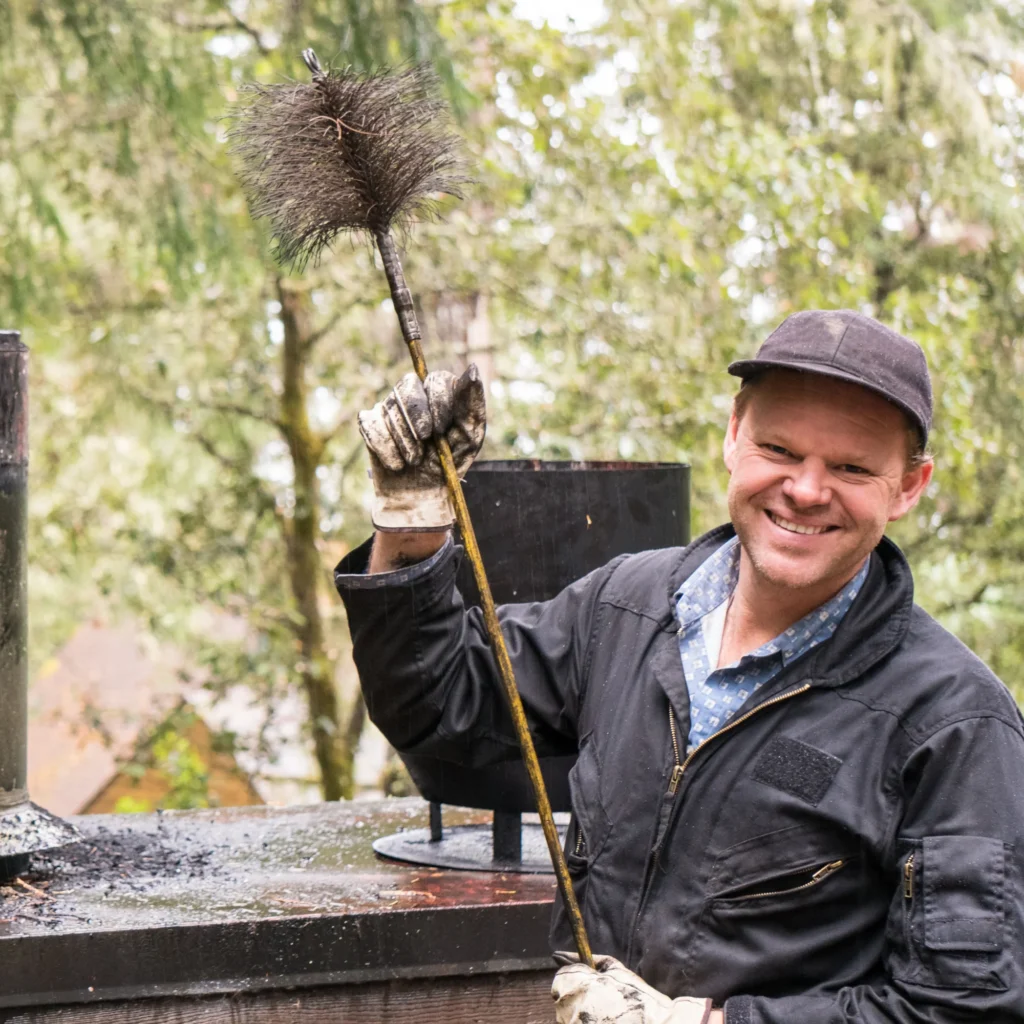
A chimney sweep is a trained technician who cleans and inspects your chimney system. The service itself goes by the same name. Most homeowners think it’s just about brushing out soot, but there’s more happening during a proper visit.
The main job is removing creosote. That’s the black or brown buildup that forms on the inside of your flue when wood burns. Creosote is flammable. When it builds up thick enough, it can ignite and cause a chimney fire. Even a thin layer reduces airflow, which makes your fireplace smoke more and burn less efficiently.
Along with creosote, sweeps clear out soot, ash, and debris that collect over time. They also check for blockages. Birds sometimes nest in chimneys during warmer months. Leaves, branches, and even small animals can get stuck in there. Any obstruction can prevent smoke and carbon monoxide from venting properly.
Inspection and Fire Safety
A chimney sweep also inspects the structure while they work. They look for cracks in the flue liner, gaps in the mortar, and signs of water damage. They check the chimney cap, the damper, and the firebox. These inspections catch problems before they become serious.
Here’s what that really means. If your flue liner is cracked, heat can reach combustible parts of your home during a fire. If the damper doesn’t seal, you’re losing heated or cooled air year round. If the cap is missing, rain gets in and speeds up deterioration.
This is preventive maintenance. A chimney cleaning service doesn’t fix structural damage or rebuild parts of your chimney. It keeps things clear and functional so your system works safely. Think of it like changing your oil. It’s not a repair. It’s upkeep that prevents bigger issues down the road.
The whole process is rooted in fire safety and proper venting. If your chimney can’t vent correctly, smoke backs up into your home. If creosote ignites, the fire can spread fast. Regular chimney maintenance reduces both risks.
How the Chimney Sweeping Process Works
When a chimney sweep arrives, the first thing they do is set up protective coverings. Drop cloths go down to protect your floors and furniture. Most professionals use industrial vacuums with HEPA filters that connect directly to the fireplace opening. This creates negative pressure inside the chimney, which means dust and soot get sucked into the vacuum instead of billowing into your living room.
Here’s what most homeowners don’t realize. The vacuum runs throughout the entire cleaning process, not just at the end. That’s how reputable sweeps keep your home clean while they work.
The Actual Cleaning
The sweep starts by inspecting the firebox and damper, checking for any obvious damage or blockages. Then comes the brushing. They’ll use steel or poly brushes attached to flexible fiberglass rods. These rods screw together in sections, allowing the brush to reach from the firebox all the way up through the flue.
The brush scrubs the creosote and soot off the chimney liner walls. Most sweeps push the brush up, then pull it down, repeating this several times to break loose stubborn buildup. If you have heavy creosote (the shiny, tar-like kind), it might need multiple passes or special rotary tools.
In Indianapolis homes, where we don’t burn fires constantly all winter, the buildup is usually lighter than what you’d see up north. But it still needs removal. Even a quarter inch of creosote is enough to fuel a chimney fire.
Inspection and Final Steps
After cleaning, many sweeps use inspection cameras. These small cameras on flexible cables go up the flue, sending video back to a monitor. The sweep can show you cracks in the liner, gaps in mortar joints, or animal nests that need removal.
The whole visit typically takes one to two hours for a standard fireplace. Complex systems with multiple flues or heavy buildup take longer. Before they leave, they’ll clean out the firebox, dispose of debris, and walk you through any issues they found.
“`html
Why Regular Chimney Sweeping Matters
Every time you burn wood, creosote forms inside your chimney. It’s a dark, tar-like substance that sticks to the flue walls. At first, it’s flaky and easy to brush away. But if you skip chimney cleaning for a season or two, it hardens into a glaze that’s difficult to remove. Here’s the thing. Creosote is highly combustible. When it builds up thick enough, a single spark or a hot fire can ignite it, and suddenly you’ve got flames racing up the inside of your chimney at temperatures exceeding 2,000 degrees.
Most homeowners don’t realize how fast a chimney fire can spread. It can crack the flue liner, warp metal components, or even ignite the wood framing around the chimney. Some fires are loud and obvious. Others burn slowly and go unnoticed until you see cracks or damage later.
Carbon Monoxide and Blocked Venting
A dirty chimney doesn’t just increase fire risk. It also blocks the path that smoke and gases need to escape. When creosote, soot, or debris restricts airflow, your fireplace can’t draft properly. That means carbon monoxide, a colorless and odorless gas, can back up into your home instead of venting outside.
Carbon monoxide poisoning is serious. Early symptoms feel like the flu. Headaches, dizziness, nausea. But prolonged exposure can be deadly. Even a partial blockage reduces the efficiency of your system and creates a buildup of dangerous fumes.
Expensive Damage From Neglect
When regular fireplace maintenance gets delayed, small problems turn into costly repairs. A cracked flue liner might start as a hairline fracture. Left alone, it widens and allows heat to reach combustible materials in your walls. Water can seep through damaged masonry, leading to rust, spalling bricks, and interior water damage.
What usually happens is this. A homeowner skips a year or two of chimney inspection and cleaning, then discovers they need a full liner replacement or masonry rebuild. That’s when it gets expensive.
“`
Common Misconceptions About Chimney Sweeps
A lot of homeowners in Indianapolis have outdated ideas about when and why chimneys need professional cleaning. Some of these myths come from old advice that no longer applies. Others come from misunderstanding how different fuels burn and what they leave behind.
One common belief is that only older homes with wood-burning fireplaces need chimney sweeps. That’s not accurate. Any appliance that vents combustion gases through a chimney creates buildup. Gas fireplaces produce water vapor and carbon particles that can condense inside the flue. Over time, this forms a white or gray residue that restricts airflow. It doesn’t burn like creosote does, but it still blocks proper venting and can cause carbon monoxide to spill back into your home.
Another misconception is that cleaning a chimney once takes care of it for years. How long a cleaning lasts depends entirely on what you burn and how often. If you use your fireplace daily during winter, creosote builds up faster. If you burn wet or unseasoned wood, it builds up even faster because incomplete combustion creates more tar-like deposits. Most homeowners don’t realize that burning just one or two fires a week can still produce enough buildup in a season to need attention.
Why DIY Cleaning Usually Falls Short
Some people assume they can handle chimney cleaning themselves with a brush kit from the hardware store. Here’s the thing. Removing loose soot is one part of the job. Identifying cracks in the flue liner, checking for animal nests, or spotting early signs of water damage requires experience and the right tools. A homeowner with a brush can’t see what’s happening inside the flue or assess whether the chimney cap is secure. What usually happens is they miss problems that turn into expensive repairs later.
Let’s be honest. Chimney systems are more complex than they look from the outside. Even modern gas units need regular inspection to make sure venting is clear and safe. Skipping maintenance because you think your setup doesn’t need it is when trouble starts.
How to Know When Your Chimney Needs Sweeping
The National Fire Protection Association recommends inspecting chimneys at least once a year, with cleaning when buildup reaches 1/8 inch. But that’s just a baseline. Your actual schedule depends on how you use your fireplace.
If you burn mostly softwoods like pine or cedar, you’re creating more creosote faster. These woods contain more resin and tend to burn cooler, which means more unburned particles stick to your chimney walls. Hardwoods like oak or ash burn hotter and cleaner, so they produce less buildup. But even with hardwoods, burning fires at low temperatures overnight creates the same problem. Slow, smoldering fires generate thick, sticky creosote that hardens over time.
Here’s what that really means. If you’re using your fireplace multiple times a week during winter, you’ll likely need sweeping once a year. If it’s your primary heat source and you burn daily, twice a year makes more sense. Occasional users who only light fires a few times per season might stretch it longer, but you still need that annual inspection.
Visual Signs Your Chimney Needs Attention
You don’t always need a professional to tell you there’s a problem. Look up into your firebox with a flashlight. If you see a black, tarry coating or flaky deposits on the damper or smoke chamber walls, that’s creosote. A buildup thicker than 1/8 inch looks obvious, almost like textured paint.
Reduced draft is another clear sign. If smoke spills back into the room when you light a fire, or if fires seem harder to start and keep going, creosote may be restricting airflow. You might also notice a strong, acrid smell even when the fireplace isn’t in use. That odor comes from creosote baking onto hot masonry during humid weather.
Most homeowners don’t realize that even small amounts of third-stage creosote, the shiny glazed type, are extremely flammable and need immediate removal. It won’t brush off easily like the softer kinds.
Chimney Sweep FAQs
How Often Should You Have Your Chimney Swept?
The standard recommendation is once a year, usually before you start using your fireplace for the season. That timing makes sense because creosote builds up every time you burn wood, and a year’s worth of use leaves enough residue to create a fire hazard.
Here’s the thing. If you burn wood more than a couple times a week during winter, you might need it twice a year. Softwoods like pine create more creosote than hardwoods like oak. And if you’re burning green wood or letting fires smolder instead of burn hot, you’re accelerating buildup.
Most homeowners don’t realize that even if you only use your fireplace occasionally, you still need annual inspections. Animals nest in chimneys during warmer months. Debris falls in. Mortar deteriorates. These problems don’t wait for you to light a fire.
What Does a Chimney Sweep Actually Do?
A sweep removes creosote, soot, and blockages from your flue. They use rotating brushes that scrub the inside surfaces as they work from the roof down or the firebox up, depending on your chimney design.
The real value goes beyond cleaning. A good sweep inspects the entire system while they’re working. They’re looking at the condition of your flue liner, checking for cracks in the masonry, making sure the damper operates properly, and verifying that the cap and crown are intact.
What usually happens is they’ll spot small problems before they become expensive repairs. A missing chunk of crown or a gap in the liner might not affect how your fireplace works today, but it creates pathways for water and heat that lead to serious damage over time.
How Much Does Chimney Sweeping Cost in Indianapolis?
A basic cleaning typically runs between $150 and $300 in the Indianapolis area. The price varies based on how much buildup you have, how accessible your roof is, and how tall your chimney stands.
If you’ve gone several years without service, expect to pay more. Heavy creosote requires extra time and sometimes specialized tools to remove safely. Chimneys with multiple flues cost more because each one needs individual attention.
Let’s be honest. That annual cost is minor compared to what you’d pay after a chimney fire or water damage from a cracked crown. Insurance might cover fire damage, but they often deny claims when maintenance records show neglect.
How Long Does the Process Take?
Plan on one to two hours for a straightforward cleaning and inspection. That includes setup, the actual sweeping, inspection time, and cleanup inside your home.
Complicated situations take longer. If the sweep finds heavy glazed creosote that needs chemical treatment, or if they discover damage that requires documentation and discussion, you’re looking at additional time. Chimneys that haven’t been serviced in years might need a second appointment after initial treatment.
Do You Really Need It If You Don’t Use Your Fireplace Much?
Yes, and here’s why. Even unused chimneys need annual inspections. Water gets in through damaged caps and crowns. That water freezes in winter, expands, and cracks masonry from the inside. Birds and squirrels build nests that block the flue completely.
When you finally decide to use that fireplace, a blocked flue sends smoke and carbon monoxide back into your living space. It might not look serious at first, but these hidden problems create dangerous conditions you won’t notice until you light a fire.
Conclusion
Most of the important work that happens in a home isn’t dramatic. There’s no emergency call, no immediate crisis. A chimney sweep’s visit is part of that quiet category of maintenance that doesn’t demand attention but deserves it anyway. It’s the kind of care that keeps things working the way they should, season after season, without surprises.
When a sweep brushes away creosote, checks the damper, inspects the flue liner for cracks, they’re preventing problems you’d never see coming. The carbon monoxide that doesn’t enter your living room. The chimney fire that never starts. The draft issue that doesn’t send smoke into the house during a cold evening. These are things that don’t happen because someone took the time to clean and check.
Here’s the thing. Responsible homeownership isn’t about reacting to disasters. It’s about steady, unremarkable care that prevents them. A clean chimney isn’t something you brag about at a dinner party, but it’s part of keeping your home safe for your family. It’s the same reason you change the air filter, check the roof after a storm, or clear the gutters in fall. Small acts of maintenance that add up to a home that works reliably.
Understanding what a chimney sweep actually does removes the mystery. You’re not hiring someone to perform magic or guess at problems. You’re hiring a professional who knows what to look for, how to clean properly, and what needs attention before it becomes a real issue. That knowledge helps you make better decisions about when to schedule service, what questions to ask, and what’s reasonable to expect.
It’s not urgent. It’s just steady. And that’s exactly what makes it matter.
Frequently Asked Questions
How Often Should I Have My Chimney Cleaned?
Most homeowners should have their chimney inspected once a year and cleaned as needed. If you regularly use a wood-burning fireplace, creosote can build up inside the flue over time. This buildup is highly flammable and can increase the risk of a chimney fire. Even if you don’t use your fireplace often, debris, animal nests, and moisture can still create safety concerns. An annual chimney inspection helps ensure your fireplace and chimney system remain safe, clean, and ready to use throughout the year.
How Much Does a Chimney Inspection Cost?
The cost of a chimney inspection depends on the type of inspection required and the condition of the chimney. Basic inspections are typically less expensive, while more detailed inspections may include specialized equipment such as chimney cameras to evaluate the entire flue system. A professional inspection can help identify potential issues before they become costly repairs, making it one of the most valuable investments homeowners can make for their fireplace and chimney.
Is a Chimney Inspection Really Necessary If Everything Seems Fine?
What Are the Signs That My Chimney Needs Repair?
Will Homeowners Insurance Cover Chimney Repairs?
What Is Included in a Professional Chimney Inspection?
A professional chimney inspection typically includes a thorough evaluation of the chimney structure, fireplace, flue, chimney cap, crown, masonry, and other visible components. The technician checks for damage, blockages, creosote buildup, water intrusion, and potential safety hazards. Depending on the inspection level, specialized camera equipment may also be used to inspect areas that cannot be seen from the ground or fireplace opening. After the inspection, homeowners receive recommendations for any cleaning, maintenance, or repairs that may be needed.