
Chimney Services
Get expert Chimney Services for inspections, repairs, and maintenance Protect your home from leaks, damage, and drafting issues year-round

Inspections

Fires Prevented

Chimney Sweeps

Chimney Repairs
What Chimney Services Include
Chimney services cover everything needed to keep your chimney safe and working properly. That means regular inspections, cleaning out creosote and debris, fixing damaged parts, and addressing structural problems. It’s not just one task. It’s a whole range of work that changes depending on what kind of chimney you have, what fuel you burn, and how often you use it.
Most homeowners think chimney work is just sweeping out soot. But there’s a lot more going on. A wood-burning fireplace builds up creosote, which is flammable and needs professional removal. Gas fireplaces don’t create creosote, but they still need inspections to check for carbon monoxide leaks and make sure venting is clear. Pellet stoves produce fine ash that clogs vents faster than you’d expect. Each system has different maintenance needs.
Here’s what that really means. If you burn wood every winter, you’ll need annual cleanings and inspections. If you use gas, you might only need a checkup every couple of years. But if you’re in an older home with a masonry chimney, you’re also looking at potential repairs to the crown, flashing, or mortar joints. Those parts wear down from weather exposure, especially here in Indianapolis where we get heavy rain and temperature swings.
How Services Vary by Condition
Chimney service isn’t one-size-fits-all. A newer prefab metal chimney mostly needs basic inspections and occasional cap replacement. An older brick chimney might need tuckpointing, liner repair, or even a full crown rebuild. What usually happens is homeowners skip inspections for years, then discover they need major repairs instead of simple maintenance.
The other factor is usage. If you rarely use your fireplace, you still need inspections. Animals nest in unused chimneys. Moisture gets in through cracks. Caps rust out. Even an idle chimney deteriorates over time. That’s why professionals recommend annual inspections regardless of how often you light a fire. It catches small problems before they turn into expensive ones.
How Chimney Service Appointments Work
Most chimney service calls start with an inspection before any work begins. The technician will ask about your fireplace usage, any concerns you’ve noticed, and when the chimney was last serviced. This helps them focus on potential problem areas specific to your situation.
The inspection itself usually takes 30 to 45 minutes. The technician examines the firebox, damper, smoke chamber, and flue liner using a flashlight and often a camera system that goes up inside the chimney. They’re looking for creosote buildup, which is the black, tar-like residue that forms from burning wood. They also check for cracks in the liner, deteriorating mortar joints, blockages from animals or debris, and any structural damage to the chimney crown or cap.
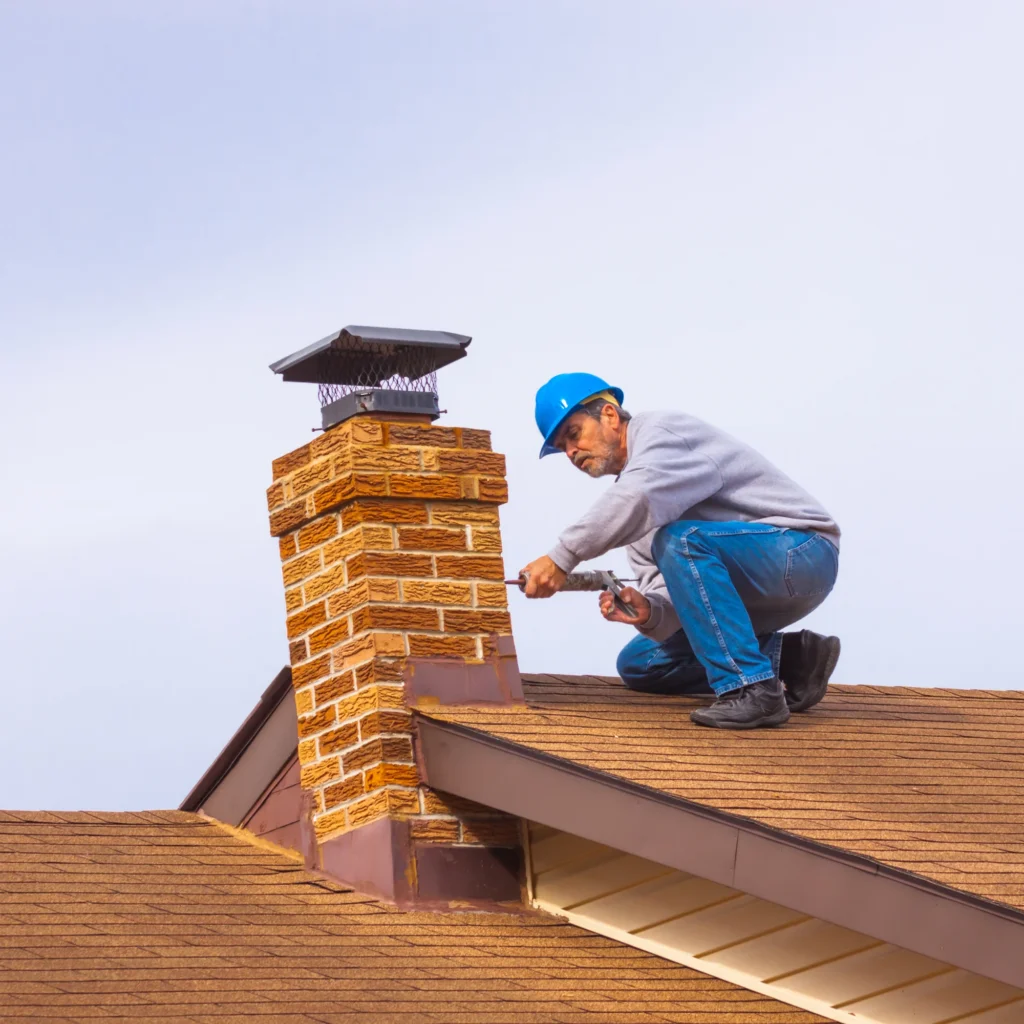
Here’s what most homeowners don’t realize. A thorough inspection includes checking from the roof down. The technician climbs up to inspect the chimney cap, crown, and flashing where the chimney meets the roof. Water damage often starts at these points and works its way down inside.
What Happens After the Inspection
Once the inspection wraps up, the technician walks you through what they found. Most use photos or video from inside the flue to show you exactly what they’re talking about. This might include creosote levels, cracks, or areas where water has gotten in.
If you need a standard cleaning and nothing else is wrong, that typically adds another 45 minutes to an hour. The technician sets up protective sheeting, uses brushes and vacuums to remove creosote and soot, and cleans up thoroughly when finished. The whole appointment runs about two hours for a straightforward cleaning.
If repairs are needed, the technician explains what’s required and why it matters. Some fixes happen the same day if they’re minor. Larger repairs like relining the flue or rebuilding the crown require scheduling a separate visit. Most companies provide a written report with photos and recommendations you can review later. This gives you time to decide what needs attention now versus what can wait.
Why Chimney Maintenance Protects Your Home
Most homeowners don’t realize their chimney needs regular attention until something goes wrong. The risks that develop over time are specific and preventable, but they rarely announce themselves until the damage is already underway.
When you burn wood, it produces creosote. This is a tar-like residue that sticks to the inside of your chimney liner. Every fire adds another thin layer. Over several months or a season of use, that buildup becomes thick enough to ignite. What usually happens is the creosote catches fire during a particularly hot burn, and suddenly you’ve got flames inside the chimney walls reaching temperatures over 2,000 degrees. That kind of heat can crack the flue liner, spread to framing, or ignite nearby combustibles. In Mid West, where many homes have older masonry chimneys that weren’t built with modern liners, the risk climbs even higher.
Carbon Monoxide and Draft Problems
Blockages change how your chimney pulls air. If a bird builds a nest in the flue or if debris settles at the top, the draft weakens or reverses. That means combustion gases that should vent outside start spilling back into your living space. Carbon monoxide is odorless, so you won’t notice it without a detector. Even partial blockages can create enough backdraft to cause headaches, nausea, or worse over time. Damaged flue liners or cracks in the masonry can also let gases leak into the walls or attic before you ever smell smoke.
Water Intrusion and Structural Wear
Chimneys are exposed to weather year round. When the mortar joints between bricks start to crack or the chimney crown develops gaps, water gets inside. It might not look serious at first. But water freezes and expands during winter, which widens those cracks. Over a few seasons, the masonry starts to crumble. Water can also rot the wood framing around the chimney, stain ceilings, and promote mold growth in hidden spaces. In Indianapolis, the freeze-thaw cycles might be less frequent than up north, but summer storms and temperature swings still take their toll on aging masonry.
Common Misconceptions About Chimney Care
Most homeowners don’t realize how many myths surround chimney maintenance. These misunderstandings can lead to serious problems down the road.
One of the biggest misconceptions is that gas fireplaces don’t need chimney service. Here’s the thing. While gas burns cleaner than wood, it still produces moisture and carbon monoxide that need to vent properly. Over time, small animals can nest in gas chimney flues, or the metal liner can corrode from condensation. Without regular inspections, you might not catch a blockage until carbon monoxide starts backing up into your home.
Another common belief is that newer chimneys are maintenance free. Even brand new construction needs annual inspections. Mortar can settle, flashing can develop small gaps, and caps can loosen from wind. Indianapolis weather cycles between hot summers and occasional freezes, which causes expansion and contraction in masonry. That movement creates cracks faster than most homeowners expect.
Occasional Use Doesn’t Mean Zero Maintenance
Some people think that burning only a few fires each winter means their chimney stays clean. What usually happens is the opposite becomes a problem. When you use your fireplace infrequently, the chimney stays cooler during burns. Cooler flue temperatures cause more creosote to condense on the walls instead of rising out with the smoke. You might only burn ten fires a season, but you’re creating the sticky, flammable kind of creosote that’s hardest to remove.
People also underestimate how quickly creosote builds up. It’s not just about how many fires you burn. It’s about how you burn them. Burning unseasoned wood, restricting airflow, or loading the firebox too full creates heavy smoke that deposits creosote fast. You can go from a clean chimney to a dangerous buildup in a single season if conditions are wrong. That’s why annual inspections matter, even when you think everything looks fine.
When and How to Schedule Chimney Service
Most homeowners wait until they’re ready to use their fireplace before thinking about chimney service. That’s usually when problems show up. The better approach is getting your chimney inspected every year, even if you only burn a few fires each winter.
Creosote builds up gradually. A single season of regular use can leave enough deposits to create a fire hazard. Annual inspections catch this before it becomes dangerous. They also spot structural issues like cracked flue tiles or damaged chimney caps that let water inside.
Best Time to Schedule in Mid West
Late summer or early fall is the ideal window for chimney inspections in the Indianapolis area. Here’s why that matters. You’re scheduling before the busy season when companies get backed up. If the inspection finds repairs needed, you have time to get them done before you actually want to use the fireplace.
Waiting until November or December means you might be without your fireplace for weeks during the coldest months. Chimney sweep companies are slammed from October through January. Getting on the calendar in August or September gives you flexibility.
What to Look for in a Service Provider
Not all chimney companies operate at the same standard. Start with certification. Look for technicians certified by the Chimney Safety Institute of America. This credential means they’ve completed real training and passed exams on proper inspection and cleaning methods.
Insurance matters more than most people realize. A reputable company carries both liability insurance and workers’ compensation. If someone gets hurt on your property or something gets damaged during the work, you’re protected.
Transparent pricing is another sign of a solid provider. Good companies explain what the inspection includes and what it costs before they show up. They don’t discover expensive problems that need immediate fixing every single time. Be cautious of anyone pushing urgent repairs without explaining exactly what’s wrong and why it needs attention now.
Ask how long they’ve been in business locally. Companies with roots in the area tend to stand behind their work because their reputation depends on it.
Chimney Services FAQs
How often should I have my chimney inspected?
Most chimney professionals recommend an annual inspection, especially if you use your fireplace regularly. Here’s the thing. Even if you only burn a few fires each winter, creosote still builds up on the flue walls. That’s the black, tar-like residue left behind when wood burns. Over time, it hardens and becomes a fire hazard.
An inspection catches problems early. Cracks in the flue liner, damaged mortar joints, or blockages from animal nests don’t announce themselves until something goes wrong. What usually happens is a homeowner notices water stains on the ceiling near the chimney or smells something off when they light a fire. By then, the damage often costs more to fix.
If you burn wood frequently during winter, you might need cleaning more than once a year. Softwoods like pine create more creosote than hardwoods. Gas fireplaces still need inspections too, even though they don’t produce the same buildup. Carbon monoxide leaks and ventilation issues can develop in any system.
What causes a chimney to leak water?
Water damage is one of the most common chimney problems in Indianapolis. Most homeowners don’t realize that chimneys aren’t naturally waterproof. The mortar joints between bricks absorb moisture, and once water gets inside, it starts breaking down the structure from within.
The crown, which is the concrete top that seals the chimney, cracks over time. When it does, rainwater flows directly into the flue system. The flashing, which is the metal seal where the chimney meets the roof, also fails. Poor installation or weather damage creates gaps that let water pour in during storms.
A missing or damaged chimney cap makes things worse. Without a cap, rain falls straight down the flue. In other words, your chimney becomes a vertical tunnel for water. That moisture damages the damper, rusts metal components, and stains your walls. It also creates the perfect environment for mold growth inside the chimney structure.
Why does smoke back up into my house?
When smoke flows back into your living room instead of going up and out, something is blocking proper draft. Draft is the natural upward pull that draws smoke out of your home. Several things disrupt it.
Creosote buildup narrows the flue opening, which restricts airflow. A closed or damaged damper blocks the path entirely. Sometimes birds or squirrels build nests in the chimney during spring and summer. When you light your first fall fire, that blockage sends smoke right back at you.
Negative air pressure inside your home also causes backdraft. Modern homes are built tight for energy efficiency. When your HVAC system, exhaust fans, and dryer all pull air out at once, the fireplace becomes an easy entry point for replacement air. The smoke reverses direction and pours into the room.
Can I use my fireplace if the chimney needs repairs?
It depends on what needs fixing. Small cosmetic issues like minor mortar cracks on the exterior usually don’t affect safety. But any damage to the flue liner, significant structural cracks, or problems with the damper mean you should stop using the fireplace immediately.
A damaged flue liner is the biggest concern. The liner protects combustible materials in your walls and roof from the intense heat inside the chimney. When it cracks or crumbles, flames and heat can reach wood framing. That’s how chimney fires spread to the rest of the house.
Let’s be honest. Using a compromised chimney isn’t worth the risk. Carbon monoxide poisoning and house fires are real possibilities when ventilation systems fail. Professional chimney repair addresses these issues before you use the fireplace again.
What’s included in a chimney cleaning versus an inspection?
They’re related but different. Chimney cleaning removes creosote, soot, and debris from the flue. A technician uses specialized brushes to scrub the interior walls and vacuum out the buildup. This prevents chimney fires and improves draft.
An inspection evaluates the entire system for damage and safety issues. The technician checks the crown, flashing, liner, damper, and firebox. They look for cracks, water damage, and structural problems. Think of cleaning as maintenance and inspection as diagnosis. You need both for a safe, functional fireplace.
Conclusion
Chimney care is one of those home maintenance tasks that rarely demands attention until something goes wrong. It sits quietly in the background while you focus on everything else that keeps a house running. That’s understandable. Most people don’t think about their chimney until they smell smoke backing up into the living room or notice water stains on the ceiling near the fireplace.
But here’s the thing. Understanding what chimney services actually include and why they matter gives you a real advantage. It lets you stay ahead of problems instead of reacting to them after they’ve gotten expensive or unsafe. Regular inspections, cleanings, and repairs aren’t about creating worry. They’re about keeping your home safe and extending the life of a system that works hard every time you light a fire.
Most homeowners don’t realize how much a chimney does behind the scenes. It manages heat, smoke, moisture, and gases every time it’s in use. Over time, that takes a toll. Creosote builds up. Mortar weakens. Flashing pulls away from the roof. These aren’t dramatic failures. They’re gradual changes that become problems when left unchecked.
Staying informed about chimney maintenance isn’t complicated. It just means recognizing that your chimney needs attention like any other part of your home. When you understand what professional chimney services cover, from sweeping to waterproofing to structural repairs, you can make better decisions about timing, cost, and priority.
Taking care of your chimney is a form of long-term responsibility. It protects your home, your family, and your investment. And it’s worth doing right.
Frequently Asked Questions
How Often Should I Have My Chimney Cleaned?
Most homeowners should have their chimney inspected once a year and cleaned as needed. If you regularly use a wood-burning fireplace, creosote can build up inside the flue over time. This buildup is highly flammable and can increase the risk of a chimney fire. Even if you don’t use your fireplace often, debris, animal nests, and moisture can still create safety concerns. An annual chimney inspection helps ensure your fireplace and chimney system remain safe, clean, and ready to use throughout the year.
How Much Does a Chimney Inspection Cost?
The cost of a chimney inspection depends on the type of inspection required and the condition of the chimney. Basic inspections are typically less expensive, while more detailed inspections may include specialized equipment such as chimney cameras to evaluate the entire flue system. A professional inspection can help identify potential issues before they become costly repairs, making it one of the most valuable investments homeowners can make for their fireplace and chimney.
Is a Chimney Inspection Really Necessary If Everything Seems Fine?
What Are the Signs That My Chimney Needs Repair?
Will Homeowners Insurance Cover Chimney Repairs?
What Is Included in a Professional Chimney Inspection?
A professional chimney inspection typically includes a thorough evaluation of the chimney structure, fireplace, flue, chimney cap, crown, masonry, and other visible components. The technician checks for damage, blockages, creosote buildup, water intrusion, and potential safety hazards. Depending on the inspection level, specialized camera equipment may also be used to inspect areas that cannot be seen from the ground or fireplace opening. After the inspection, homeowners receive recommendations for any cleaning, maintenance, or repairs that may be needed.