
Blog
Gas Fireplace Cleaning Service: What It Covers and Why It Is Not Optional
Most Indianapolis homeowners skip gas fireplace service because they assume it burns clean. Here is what a gas fireplace cleaning service actually covers and why it matters.
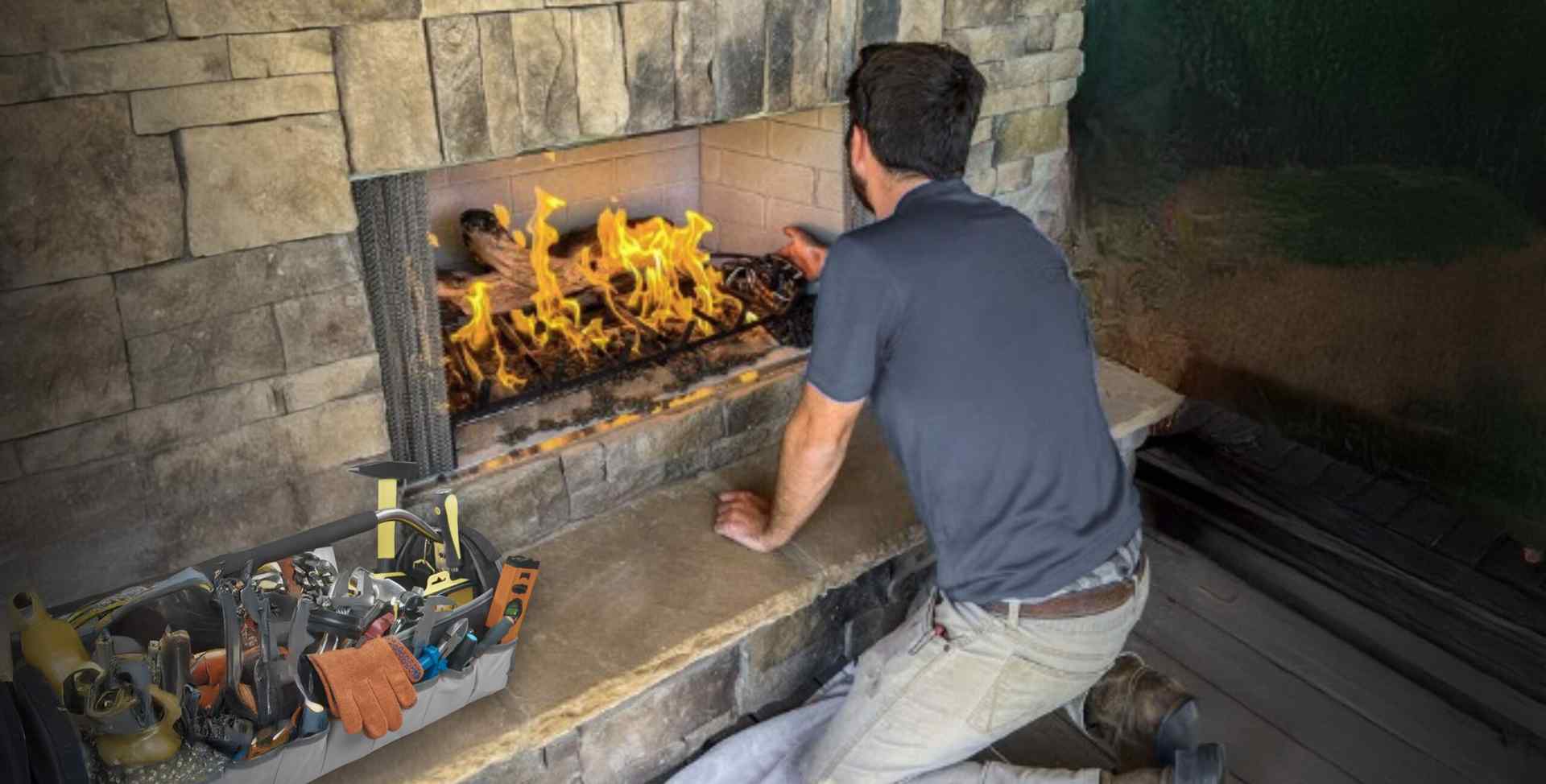
A lot of Indianapolis homeowners assume their gas fireplace takes care of itself. It burns clean, there is no ash, and the logs look fine. So why bother? What usually happens is that years pass, a small problem grows quietly, and the first sign of trouble is either a carbon monoxide detector going off or a fireplace that simply will not start on a cold January night. A gas fireplace cleaning service covers more than most people expect, and skipping it carries real risk.
Why Most Indianapolis Homeowners Think Gas Fireplaces Do Not Need Service
The logic makes sense on the surface. Gas burns cleaner than wood. No soot, no creosote, no visible mess. So the assumption is that nothing builds up and nothing needs cleaning. That is partly true and mostly misleading.
What does build up over time is dust, spider webs, and debris inside the burner assembly. Moisture from Indianapolis winters causes rust on the pilot assembly and the thermocouple. Vented gas fireplaces push exhaust through a flue or direct-vent pipe, and that pipe can collect blockages from bird nests, insects, and debris. None of that is visible from your living room.
The other factor is that gas fireplace components wear out on a schedule. The thermocouple, thermopile, and gas valve all have a service life. Without a technician checking them, you find out they have failed when you need the fireplace most.
What a Gas Fireplace Cleaning Service Actually Includes
A standard gas fireplace cleaning service covers the burner, the pilot assembly, the venting system, the glass, and the controls. That is a wider scope than most homeowners picture when they book the appointment.
The technician removes the log set or decorative media and inspects the burner ports for blockages. Clogged ports produce uneven flames and incomplete combustion. The glass gets cleaned of the white haze that forms from mineral deposits in the gas, which most people just live with but is simple to clear. The vent pipe or flue gets checked for obstructions, proper draft, and signs of separation at the joints.
The pilot, thermocouple, and ignition system each get tested and cleaned. Dust on the thermocouple alone can cause nuisance shutdowns where the fireplace lights and then clicks off after 30 seconds. The technician also checks the gas valve operation and verifies the flame sensor is reading correctly. A full appointment usually takes 60 to 90 minutes for a standard direct-vent or B-vent unit.
Carbon Monoxide Risk from a Blocked Gas Fireplace Flue
This is the part that matters most. Gas combustion produces carbon monoxide as a byproduct. A properly vented fireplace moves that gas outside. When the vent path is blocked or compromised, CO has nowhere to go.
Blockages in direct-vent systems happen more often than people realize. Insects build nests in the exterior termination cap during summer months when the fireplace sits unused. A technician checks the cap, clears any obstruction, and verifies the vent draws correctly before the heating season starts. Without that check, the first time you run the fireplace in October, you are running it with a compromised exhaust path.
Ventless gas fireplaces carry a different profile. They do not vent outside at all, so blockages are not the concern. Instead, the oxygen depletion sensor becomes the key safety component. If that sensor drifts out of calibration, the fireplace keeps burning past the point it should shut down. A service appointment verifies the ODS is functioning within manufacturer specs.
What a Technician Checks on the Pilot, Thermocouple, and Valve
These three components are the most common source of gas fireplace failures. Understanding what gets checked helps you know why the appointment takes as long as it does.
The pilot orifice is a small brass fitting with a tiny hole. Dust and mineral buildup narrow that hole over time, producing a weak pilot flame. A weak flame means the thermocouple does not get hot enough to hold the gas valve open. The technician measures pilot flame height and cleans or replaces the orifice if the reading is off.
The thermocouple generates a small electrical current when heated. That current signals the gas valve to stay open. A degraded thermocouple produces lower millivolt output, which causes intermittent shutdowns. Technicians test output with a millivolt meter. Most manufacturers specify a minimum reading, and anything below that threshold means replacement before the unit is reliable. The gas valve itself gets checked for proper operation, correct gas pressure at the valve inlet, and any signs of corrosion or wear at the connections.
Vented vs Ventless Gas Fireplaces: What Service Looks Different
The two main types of gas fireplaces need service for different reasons, and a technician approaches each differently.
Vented units, including direct-vent and B-vent models, rely on a sealed or open flue path. Direct-vent units pull combustion air from outside and exhaust outside through a coaxial pipe. Service on these units includes checking the exterior termination for blockage, inspecting the pipe joints for separation, and verifying the glass seal is intact. A cracked or poorly seated glass panel on a direct-vent unit can pull room air into the combustion chamber and disrupt the draft.
Ventless units burn inside the room and use all combustion air from the living space. Service here focuses on the oxygen depletion sensor, burner port condition, and overall combustion quality. A yellow or orange flame on a ventless unit, instead of a sharp blue flame, signals incomplete combustion and needs immediate attention. Both types benefit from a gas fireplace cleaning service on the same general schedule, roughly every one to two years depending on use.
How Often Gas Fireplaces in Indianapolis Homes Need Service
The general industry guidance is annual service for any gas fireplace that sees regular use, meaning more than 30 to 40 hours of burn time per season. Indianapolis winters run from roughly November through March, so a fireplace used as a primary or secondary heat source will hit that threshold easily.
For fireplaces used only occasionally, every two years is a reasonable minimum. The bigger driver is often how long the unit sat unused. A fireplace that ran zero hours over the summer and then gets fired up in November is the one most likely to have a spider nest in the burner, dust on the thermocouple, or a deteriorated flue cap gasket. Annual inspection before the heating season catches those things before they become a problem.
Signs Your Gas Fireplace Needs Service Before the Heating Season Starts
- The pilot light goes out on its own or will not stay lit after releasing the pilot button
- The fireplace lights but shuts off within 30 to 60 seconds of starting
- You notice a white haze or film on the inside of the glass panel
- The flame pattern looks uneven, with gaps or low spots across the burner
- You smell a faint gas odor near the unit when it is running
- The exterior vent cap shows visible debris, rust, or insect activity
- The unit has not had a gas fireplace cleaning service in more than two years
- The remote or wall switch works intermittently or fails to respond
Frequently Asked Questions
Do gas fireplaces really need annual cleaning if they burn clean?
Yes. The combustion itself is cleaner than wood, but the components that make it work still degrade. Pilot assemblies collect dust. Thermocouples weaken. Vent paths collect debris during the off season. A gas fireplace cleaning service is not about removing soot. It is about verifying that the ignition, safety, and venting systems are all operating correctly before you rely on the unit through a full Indianapolis winter.
What does a gas fireplace cleaning service cost in general terms?
Pricing varies depending on the type of unit, the condition it is in, and whether any parts need replacement. Direct-vent units generally take longer to service than B-vent models because of the glass seal and exterior vent inspection. The best approach is to get a quote that specifies what the appointment covers, so you can compare accurately. Deferred service tends to cost more over time because small problems become larger ones.
Can a dirty gas fireplace cause a carbon monoxide problem?
A blocked or poorly venting gas fireplace can produce dangerous CO levels inside the home. This happens most often when the exterior termination cap is obstructed or when vent pipe joints have separated. Ventless units carry a different risk tied to the oxygen depletion sensor. Either way, any CO detector alarm near a gas fireplace should be treated seriously and the unit should not be used until a technician has inspected it.
How long does a gas fireplace service appointment take?
Most appointments run 60 to 90 minutes for a standard direct-vent or B-vent unit. Ventless units are often faster because there is no exterior vent to inspect. If the technician finds parts that need replacement, such as a thermocouple or pilot orifice, add 15 to 30 minutes depending on parts availability. Booking before October puts you ahead of the seasonal rush, when wait times for appointments in Indianapolis stretch out by two to three weeks.
The Short Version
Gas fireplaces are not self-maintaining. The pilot, thermocouple, burner, and vent system all need periodic attention to keep the unit safe and reliable. Scheduling a gas fireplace cleaning service once a year, or at minimum every two years, is the straightforward way to avoid a cold-night failure or a CO problem that a simple inspection would have caught. If your unit has not been looked at in a while, before heating season starts is the right time to change that.