
Blog
Fireplace Chimney Inspection Before Winter: Homebuyer Guide for Indianapolis
A standard home inspection misses most chimney problems. Here is what a fireplace chimney inspection before winter covers for Indianapolis homebuyers in Carmel, Fishers, and beyond.
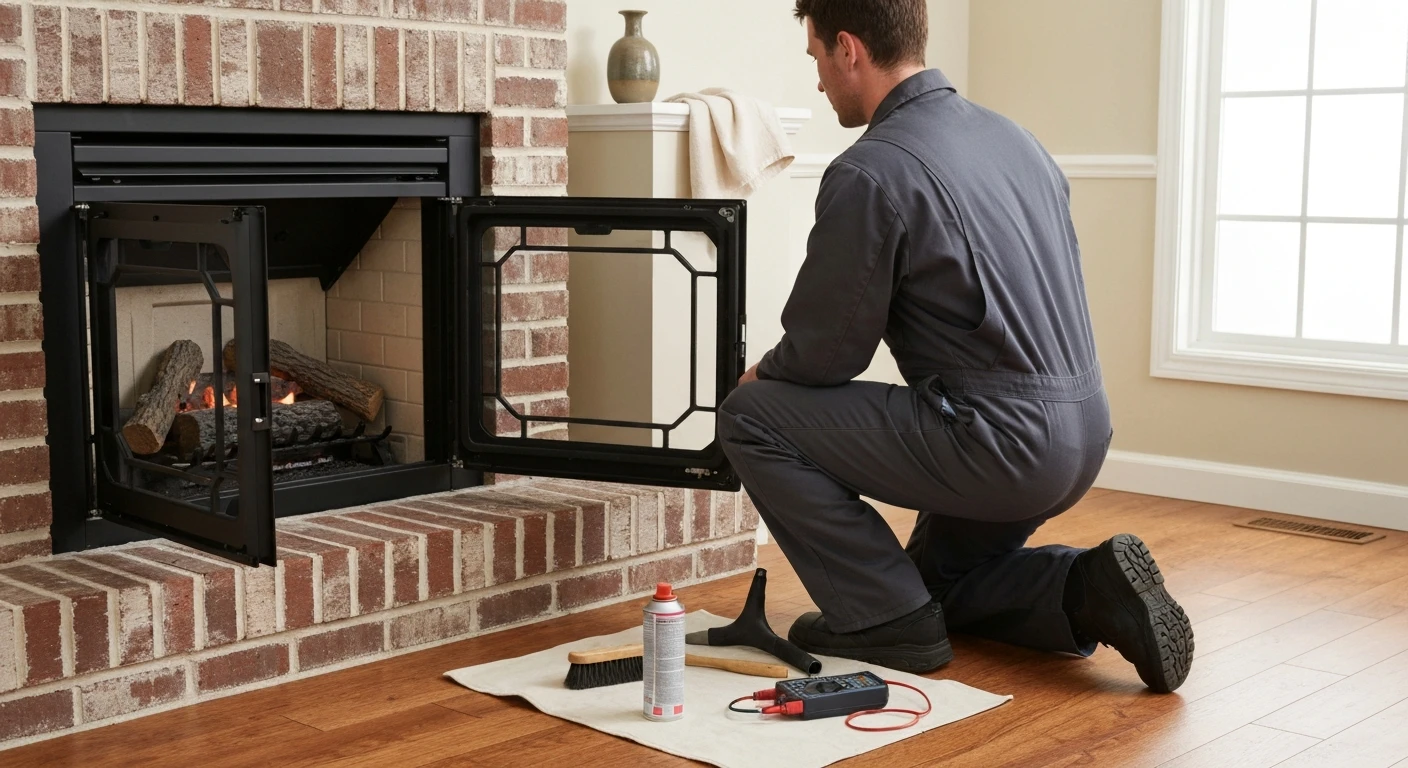
Buying a home in Indianapolis is stressful enough without a chimney surprise two months after closing. A fireplace chimney inspection before winter is one of the most overlooked steps in the home-buying process. Most buyers assume the home inspector covered it. In most cases, that assumption costs them. Here is what you actually need to know before you sign.
Why a Standard Home Inspection Does Not Cover the Chimney Fully
A licensed home inspector looks at the fireplace from the floor. They check the damper, look at the firebox opening, and note visible cracks in the brick. That is useful. It is also nowhere near enough to tell you whether the chimney is safe to use.
What a general inspector cannot see includes the flue liner condition, the smoke chamber, the crown, and the upper exterior sections of the masonry. These are the areas where most expensive problems hide. Home inspectors are not certified chimney technicians. Their standards of practice do not require a camera scan of the flue or an assessment of clearances inside the chase.
The Chimney Safety Institute of America defines three levels of chimney inspection. A Level 1 is a visual check, similar to what a home inspector does. A Level 2 is required any time a home changes ownership. Most buyers never hear this from their real estate agent.
What a Level 2 Chimney Inspection Includes for Homebuyers
A Level 2 inspection goes well beyond what you can see from the living room. A certified chimney technician uses a video camera to scan the entire flue from top to bottom. They look at the liner, the joints between liner sections, and the connection to the firebox or furnace appliance.
Outside, they inspect the crown, the cap, the flashing where the chimney meets the roof, and the full exterior masonry from the roofline up. They also check the attic and crawl spaces where the chase passes through, looking at clearances from combustibles.
The report documents everything with photographs and video stills. You receive a written assessment of each component, graded by condition. This is what you bring to the negotiating table. A Level 2 inspection is the standard tool for a real estate transaction. Scheduling a fireplace chimney inspection before winter gives you the most complete picture because cold-weather use is exactly what you are preparing for.
What Technicians Commonly Find in Indianapolis-Area Homes Built Between 1975 and 2005
Homes from this era make up a large share of the Indianapolis resale market, particularly in older neighborhoods on the north side and in inner suburbs. They share a few recurring chimney problems.
Clay tile liners from this period crack over time. Thermal cycling, meaning repeated heating and cooling through Indiana winters, causes tiles to fracture at the joints. A cracked tile liner allows heat and gases to reach the surrounding masonry. That is a fire-path problem, not a cosmetic one.
Mortar deterioration between flue tiles is also common. So is a missing or deteriorated chimney crown. The crown is the concrete slab at the top of the chimney stack that seals everything except the flue opening. When the crown cracks, water gets into the masonry and works its way down. By the time you see a stain on the ceiling near the fireplace, the damage is usually a few seasons old.
Rust on the damper plate is another common find. A rusted damper that does not seal properly wastes heat in winter and allows animals into the flue in warmer months.
Prefab Factory-Built Fireplaces in Carmel and Fishers: What to Watch For
Many homes built in Carmel, Fishers, and similar growth suburbs from the 1990s through mid-2000s have prefabricated factory-built fireplaces, not masonry ones. These look similar from the living room. The difference matters a great deal.
Prefab fireplaces have a rated service life. Most manufacturers specify a lifespan in the range of 20 to 30 years. After that, the unit may no longer meet safety standards even if it looks intact. The interior refractory panels, which line the firebox, are the first components to show wear. Cracks in those panels are common after a decade of use.
The chase surrounding a prefab fireplace is usually framed wood with a metal chase cover on top. When the chase cover rusts through, water enters the chase and saturates the framing. This is often invisible from outside. A chimney technician will check the chase cover, the clearances between the metal firebox unit and the surrounding framing, and the condition of the flexible metal flue pipe inside.
Replacing a prefab unit is not a masonry repair job. It is an appliance replacement, and the cost and complexity depend on what is still available that fits the existing chase dimensions.
What a Fireplace Chimney Inspection Before Winter Reveals That Summer Hides
Summer inspections can miss things that only matter when the fireplace runs. A fireplace chimney inspection before winter captures problems that cold-weather use will immediately expose.
Smoke rollout, meaning smoke that spills into the room instead of drawing up the flue, often comes from a blocked flue or a damper that does not open fully. This may not be visible during a warm-weather walkthrough. Draft problems related to negative air pressure in tightly insulated homes also tend to surface only when the heat is on and the system is under load.
Moisture damage from the previous winter becomes visible in late summer and fall, making this the best time to catch it before the next heating season adds more stress to already-weakened components. Scheduling the inspection in September or October, before the first fires of the season, gives you time to negotiate repairs before closing or plan the work before you move in.
Questions to Ask About the Fireplace and Chimney Before Closing
- Has the seller had a Level 2 chimney inspection completed? If so, request the full written report.
- When was the chimney last swept? Ask for documentation. A swept chimney means less creosote, but it does not confirm structural condition.
- Is the fireplace wood-burning, gas-burning, or can it be used for both? This affects what the inspection needs to cover.
- Is the fireplace a masonry unit or a factory-built prefab? The answer changes what repairs are possible and how much they cost.
- Have there been any chimney repairs in the last five years? Ask for permits and contractor documentation.
- Does the home have a gas insert or a gas log set inside a wood-burning firebox? These require the flue liner to be sized correctly for gas appliances.
- Is there a working chimney cap installed? A missing cap is an open door for rain, debris, and animals.
- Has the home ever had a chimney fire? Even a small one can fracture a clay tile liner throughout its length.
- Schedule your own independent fireplace chimney inspection before winter, regardless of what the seller provides.
How to Read the Inspection Report Before You Close
A chimney inspection report grades components by condition. Most certified inspectors use a simple scale: acceptable, needs monitoring, or needs repair before use. Focus on anything in the third category. These are the items that make the fireplace unsafe to operate as-is.
Pay attention to liner condition above everything else. A compromised liner is the most serious finding and the most expensive to address. Relining a full-length flue, whether with a stainless steel insert liner or a cast-in-place system, is a significant project. Get that cost confirmed by a chimney professional before your inspection contingency expires.
Minor items like a cracked crown or a rusted cap are meaningful but more straightforward to repair. Use the report to separate safety-critical repairs from maintenance items. Both are negotiating points, but they carry different urgency.
Frequently Asked Questions
Do I need a separate chimney inspection if the home inspector already checked the fireplace?
Yes. A general home inspector checks the fireplace visually from the room. They do not scan the flue with a camera, assess the liner condition along its full length, or evaluate the exterior crown and upper masonry in detail. The Chimney Safety Institute of America recommends a Level 2 inspection for any change of ownership. These are two different scopes of work.
What does a Level 2 chimney inspection cost in general terms?
Pricing varies by the age of the home, the type of fireplace, and the technician. A Level 2 inspection costs more than a standard annual sweep and inspection. Think of it as a specialized diagnostic service rather than routine maintenance. The exact amount depends on local market rates and the complexity of the system being inspected. Get a written quote before scheduling.
Can a chimney problem discovered after closing be the seller’s responsibility?
This depends on your purchase agreement and what was disclosed. Indiana requires sellers to disclose known material defects. If a seller knew about a cracked liner and did not disclose it, you may have a legal claim. In practice, proving what the seller knew is difficult after closing. The cleaner path is to get a Level 2 inspection before closing and negotiate any findings while you still have leverage.
What is the most common chimney defect found in Indianapolis homes during a sale?
Cracked or deteriorated flue liner sections top the list, particularly in homes built before 2000 with clay tile liners. Deteriorated mortar crowns and missing or damaged chimney caps are also common. In prefab fireplaces, cracked refractory panels inside the firebox are a frequent finding. None of these are visible during a standard home inspection walkthrough.
One Step Worth Taking Before You Close
A fireplace chimney inspection before winter is not an optional add-on for serious buyers. It is one of the few inspections that directly affects both safety and budget. Chimney repairs range from straightforward maintenance to full liner replacements, and knowing which category you are dealing with before closing changes your negotiating position completely. Schedule the inspection early enough to get the report, understand the findings, and act on them while the sale is still in progress.