
Blog
Creosote Removal Fireplace: What It Is and When to Act
Creosote removal fireplace guide for Indianapolis homeowners. Learn what creosote is, how fast it builds, and when you need a professional chimney sweep.
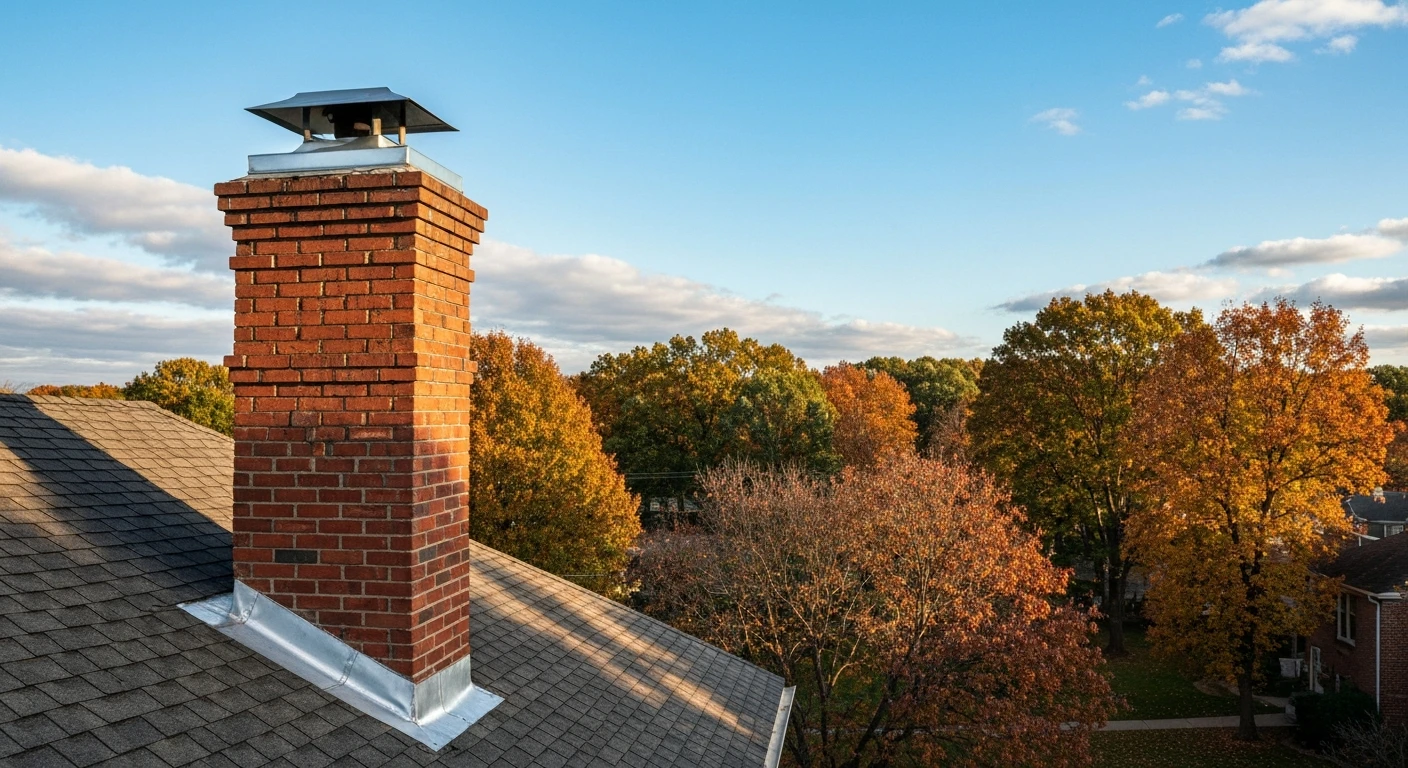
Most homeowners don’t think about creosote until they smell something sharp and oily during a fire, or a sweep points a flashlight up the flue and frowns. Creosote removal fireplace work is one of the most common jobs chimney professionals handle in Indianapolis, and for good reason. Wood-burning fireplaces produce creosote every single time they run. The question isn’t whether it builds up. The question is how fast, and how serious it gets before anyone does something about it.
What Creosote Actually Is and Where It Comes From
Creosote is a byproduct of burning wood. When wood combusts, it releases smoke, water vapor, gases, and unburned carbon particles. As that mix rises up the flue, it cools against the chimney walls. The cooler the surface, the more those particles condense and stick. Over time, that sticky residue hardens into what we call creosote.
The exact composition varies by wood type, moisture content, and how hot the fire burns. Freshly cut or “green” wood holds a lot of water. That water cools the flue gases faster, which means more condensation and more creosote per fire. Seasoned hardwood, like oak or hickory dried for at least 12 months, burns hotter and produces less buildup. But even a well-managed fire in a properly seasoned wood fireplace leaves some residue behind.
Flue liner material matters too. Older clay tile liners run cooler than stainless steel insulated liners. A cooler liner wall means more condensation, and that means faster accumulation, especially during the cold Indianapolis winters when exterior temperatures drop the liner temperature fast.
The Three Stages of Creosote and Why Stage Three Is Dangerous
Not all creosote looks the same. Chimney professionals recognize three distinct stages, and each one requires a different approach.
Stage one is a light, flaky, sooty deposit. It brushes off easily with standard chimney brushes and is the kind of buildup a routine annual sweep handles without issue. Most fireplaces that get cleaned every year stay at stage one.
Stage two is a harder, tar-like coating. It looks shiny or crunchy in places and doesn’t come off with a standard brush. Sweeps use rotary tools or chemical treatments to break it down. Skipping a cleaning season or two often pushes a fireplace from stage one into stage two.
Stage three is the serious one. This is a thick, concentrated layer that has hardened almost like a glaze. It can restrict airflow, trap heat, and ignite at temperatures above 1,000 degrees Fahrenheit. A stage three chimney fire can burn for hours and reach temperatures that crack flue tiles and damage the masonry. At this stage, a sweep isn’t just cleaning. The professional may need to assess whether the liner is still safe to use at all.
How Fast Creosote Builds Up in a Wood-Burning Fireplace
The National Fire Protection Association standard NFPA 211 recommends inspecting wood-burning fireplaces at least once a year. That guideline exists because buildup can become significant within a single heating season, depending on how often you burn and what you burn.
A household that burns three to four fires per week from October through March can accumulate a measurable layer of stage one or stage two creosote by spring. A household that burns daily and uses green or softwood, like pine, can reach stage two within that same window. There’s no universal timeline because fuel type, fire management, and flue temperature all interact. But one season is enough time for the situation to change from routine to serious.
Short, smoldering fires are the biggest accelerator. A low, smoky fire doesn’t generate enough heat to push gases quickly up the flue. The gases cool slowly, condense heavily, and coat the liner walls with each burn. A hot, fast-burning fire with well-seasoned wood leaves far less behind.
What Increases Creosote Buildup in Indianapolis Homes
Indianapolis winters are cold enough that fireplaces work hard from November through February. Cold outside temperatures drop the flue liner temperature fast, especially in older homes where the chimney runs along an exterior wall instead of through the interior of the house. An exterior chimney in January can have a liner wall temperature well below 100 degrees Fahrenheit before a fire even starts. That cold surface accelerates condensation from the very first burn of the evening.
Older homes in neighborhoods like Irvington or Broad Ripple often have original clay tile liners that are narrower than current standards. A restricted flue slows airflow, which cools gases before they exit and increases deposit rates. Damaged or missing flue caps let moisture in, which combines with creosote and makes it harder and more acidic over time.
Burning artificial logs or compressed wood products in a fireplace built for real wood also contributes. Many manufactured products produce more incomplete combustion than seasoned cordwood, which increases residue even in a single-use session.
Creosote Removal Fireplace Process: How It Actually Works
A standard creosote removal fireplace cleaning starts with a visual inspection of the firebox, smoke chamber, and flue liner. The sweep checks what stage the deposits are at before choosing tools. For stage one, wire brushes sized to the flue diameter sweep the liner from top to bottom, and the debris falls into the firebox for collection and removal.
Stage two deposits require rotary cleaning systems or chemical-based treatments. Some sweeps use a product called Poultice Creosote Remover, which gets applied to stage two deposits and chemically converts them into a more brittle material that can be brushed away on a follow-up visit. The process takes longer and sometimes requires two appointments.
Stage three is a different situation. Some professionals use a chemical called Anti-Creo-Soot (ACS) applied over several burns to reduce the deposit before a mechanical cleaning. Others recommend a full liner assessment first, because stage three buildup often coincides with cracked tiles or damaged mortar joints that need attention before the fireplace runs again. The creosote removal fireplace process at stage three is rarely a one-visit job.
Signs Your Fireplace May Have Heavy Creosote Buildup
- A strong, sharp, or oily smell coming from the fireplace, even when it’s not in use
- Black, shiny residue visible inside the firebox or on the damper
- Smoke entering the room more than usual during a fire
- A reduced draw, meaning fires are harder to start or maintain
- A rumbling or crackling sound inside the flue during a fire
- A visible black or brown stain around the fireplace opening
- It has been more than 12 months since your last creosote removal fireplace cleaning
What Happens If You Skip Creosote Removal for Too Long
The most direct risk is a chimney fire. Creosote ignites when flue temperatures climb high enough to reach its ignition point, which varies by deposit type but can be as low as 451 degrees Fahrenheit for some stage one material and higher for hardened stage three deposits. Chimney fires can burn quietly without the homeowner noticing, or they can be loud, intense, and send flames out the top of the chimney stack.
Even without a fire, long-term creosote buildup causes chemical damage. Creosote is acidic. Over years, it eats into mortar joints and clay tile liners. Repair costs for a deteriorated liner run much higher than the cost of consistent annual cleanings. A clay tile liner relining or a stainless steel insert installation is a significant job that a regular sweep schedule would likely have prevented.
Frequently Asked Questions
How often should I have creosote removed from my fireplace?
NFPA 211 recommends at least one inspection and cleaning per year for wood-burning fireplaces. If you burn frequently, meaning more than three fires per week through a full heating season, a mid-season check is worth considering. The goal is to catch buildup at stage one before it progresses.
Can I remove creosote from my fireplace myself?
Stage one deposits can be brushed with chimney brushes sold at hardware stores, but accessing the full length of a flue safely requires equipment and training most homeowners don’t have. Stage two and stage three deposits require professional tools and sometimes chemical treatments. DIY cleaning also skips the inspection component, which is where most liner damage gets caught early.
What does creosote smell like and why does it smell worse in summer?
Creosote has a sharp, smoky, tar-like odor. It smells worse in summer because heat and humidity activate the deposits. Warm air pulls the odor down through the flue and into the living space. If your fireplace smells strongly in July, that’s a reliable sign of significant buildup that needs attention before the next burning season.
Is a small amount of creosote in a fireplace normal?
Yes. Some light, flaky stage one creosote is normal in any wood-burning fireplace. It becomes a concern when it accumulates beyond a thin layer, hardens into stage two or three deposits, or goes more than 12 months without removal. Normal doesn’t mean ignore it. It means the creosote removal fireplace schedule should stay consistent year to year.
The Short Version
Creosote builds up every time you burn wood, and Indianapolis winters give it plenty of opportunity. Stage one is manageable. Stage three is a fire risk and a repair bill. The difference between them is usually just a year or two of skipped maintenance. Keeping up with annual creosote removal fireplace cleanings is the single most effective thing a wood-burning fireplace owner can do to protect both the chimney and the home.