Blog
Chimney Sweep and Inspection in Indianapolis: What to Expect During a Visit
A chimney sweep and inspection visit covers more than cleaning. Here is exactly what happens during an appointment, what gets checked, and what the report includes.
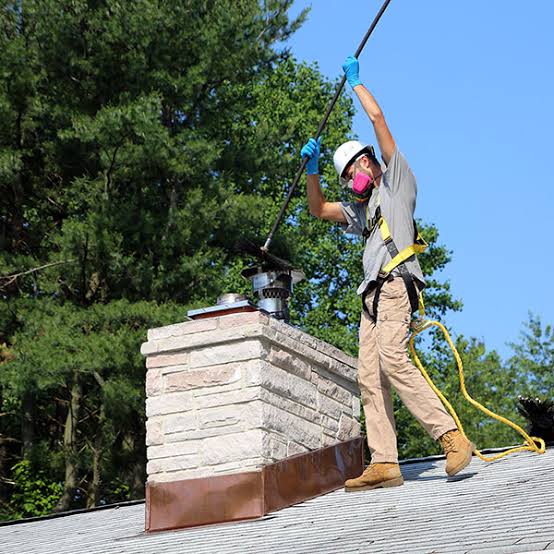
Most homeowners schedule a chimney sweep and inspection once a year, usually before the first fire of the season. What actually happens during that visit surprises a lot of people. It is not just someone running a brush through the flue and calling it done. A thorough visit covers the firebox, the liner, the crown, and several other components most people have never looked at closely. This guide walks you through the whole process so you know what to expect before the technician arrives.
What a Chimney Sweep and Inspection Visit Covers
A standard visit has two parts that happen together: the cleaning and the assessment. The cleaning removes creosote, soot, and debris from the flue, the smoke chamber, and the firebox floor. Creosote builds up every time you burn wood, and at stage two or three levels it becomes a fire hazard. The National Fire Protection Association standard NFPA 211 recommends cleaning whenever there is any significant buildup, regardless of how long it has been since the last service.
The assessment side checks the physical condition of every component the technician can see. That includes the damper, the smoke shelf, the firebox walls, the flue liner, the chimney crown, and the cap at the top. In Indianapolis, freeze-thaw cycles through winter put extra stress on mortar joints and crowns, so technicians here tend to pay close attention to those areas. The whole visit usually takes between 45 minutes and two hours depending on chimney height and condition.
The Difference Between Sweeping and Inspecting
Sweeping and inspecting are related but not the same thing. Sweeping is the physical cleaning work. A technician uses brushes and a vacuum system to pull soot and creosote out of the flue without spreading it through your living room. Inspecting is the diagnostic work. The technician looks at what is there after the debris is cleared.
There are three levels of inspection defined by NFPA 211. A Level 1 inspection covers all visible and accessible areas and is standard for a chimney that has been in regular use with no major changes. A Level 2 inspection adds a camera scan of the flue interior and is required after events like a chimney fire, a change in fuel type, or a home sale. A Level 3 inspection involves opening walls or removing components to access hidden areas, and that is rare. Most annual visits in Indianapolis are Level 1.
What Tools and Equipment a Certified Sweep Uses
The core tool is a set of polypropylene or wire chimney brushes sized to match the flue dimensions. Round brushes fit round terra cotta or stainless liners. Rectangular brushes fit older masonry flues. The brushes attach to fiberglass rods that extend down from the top or up from the firebox depending on access.
A high-powered HEPA vacuum connects to the firebox opening before work starts. This is what keeps the interior of your home clean during the process. For a Level 2 inspection, the technician brings a flexible camera on a rod, sometimes called a flue camera or chimney camera, that transmits live video of the liner interior to a screen. This lets them spot cracks, spalling, or blockages that no brush or flashlight can reveal. Better-equipped technicians also carry moisture meters to check for water infiltration in the masonry.
What the Technician Is Looking for on an Indianapolis Chimney
Creosote stage and thickness is the first thing on the list. Stage one creosote is a dusty, light deposit that brushes out easily. Stage two is a tar-like coating that requires chemical treatment before mechanical removal. Stage three is a hardened, glazed layer that can be difficult and costly to remove. Most wood-burning fireplaces in Indianapolis reach stage one or two by the end of a normal winter season.
Beyond creosote, the technician checks the flue liner for cracks or gaps. Terra cotta liners are common in homes built before 1990, and they crack over time from heat cycling. A cracked liner is a carbon monoxide risk for gas appliances and a fire risk for wood-burning systems. The mortar crown at the top of the chimney also gets a close look, because cracked crowns let water into the flue. Water damage is the most common source of chimney deterioration in this region.
How to Prepare Your Home for a Chimney Sweep Visit
A little preparation makes the appointment go faster and keeps your home cleaner. Here is what to do before the technician arrives.
- Clear a 3-foot radius around the fireplace opening on the floor and mantel.
- Remove any fireplace screens, glass doors, or decorative items from the hearth.
- Make sure the last fire is fully cold, with no warm embers. Give it at least 24 hours.
- Move rugs or furniture that sit close to the hearth, since the vacuum hose needs room to maneuver.
- Give the technician access to the roof if your chimney is being brushed from the top down.
- Keep pets in a separate room. The vacuum noise and unfamiliar smells can stress animals.
- Ask about the chimney sweep and inspection process before work begins so you understand what they are checking.
What You Get After the Appointment: Report and Recommendations
After a chimney sweep and inspection, a certified technician provides a written summary of what they found. This typically lists each component they checked, the condition they found it in, and any concerns. Some technicians use a printed form, others send a digital report with photos from the flue camera.
Recommendations fall into a few categories. Some items are noted for monitoring, meaning they are not urgent but worth watching. Others are flagged as repairs needed before the next use, meaning the fireplace should stay cold until the work is done. Liner replacement, significant masonry work, or cap installation are common examples of the latter. The report is also useful documentation for home insurance purposes and for disclosure requirements if you sell the home.
Frequently Asked Questions
Should I get a sweep and inspection done at the same time?
Yes, combining them in one visit makes sense for most homeowners. Cleaning first gives the technician a clear view of the liner and firebox walls, which makes the inspection more accurate. Scheduling them separately means paying for two mobilizations and potentially missing damage that was hidden under soot. The chimney sweep and inspection together give you a complete picture of the system’s condition in a single appointment.
How messy is a chimney sweep appointment inside the house?
With a properly set up HEPA vacuum connected to the firebox, most appointments leave no visible dust or soot in the living room. The technician seals the firebox opening before brushing starts. Occasionally a small amount of fine dust settles nearby, which a damp cloth handles easily. Old chimneys with heavily degraded liners can release more debris, but a professional setup contains it well in the large majority of cases.
How do I know if the technician is CSIA certified?
The Chimney Safety Institute of America issues a certification called the CSIA Certified Chimney Sweep credential. You can verify any technician’s certification status on the CSIA website using their name or certification number. A legitimate technician will show their credential number without hesitation. In Indianapolis, asking upfront before booking is the simplest approach, and reputable companies list their certifications on their scheduling confirmations.
What happens if the sweep finds a problem during the inspection?
The technician documents the issue in the report and explains what it means in plain terms. For safety-related findings, such as a cracked liner or a separated flue joint, they will recommend not using the fireplace until repairs are complete. For cosmetic or low-priority issues, they note them for future attention. The report does not obligate you to use any particular company for repairs. You get the findings and make your own decisions from there.
The Bottom Line on Scheduling a Visit
A chimney sweep and inspection is one of the more straightforward home maintenance tasks once you know what is involved. The cleaning removes what accumulates from normal use. The inspection catches what you cannot see on your own. Together they tell you whether your system is ready to burn safely or needs attention before the cold months in Indianapolis arrive. Schedule before the busy fall season if possible, since appointment availability tightens up significantly between September and November.