
Blog
Chimney Tuckpointing Indianapolis: What to Know Before You Call
Deteriorating mortar joints are one of the most common chimney problems in Indianapolis. Here is what chimney tuckpointing involves and when to stop waiting.
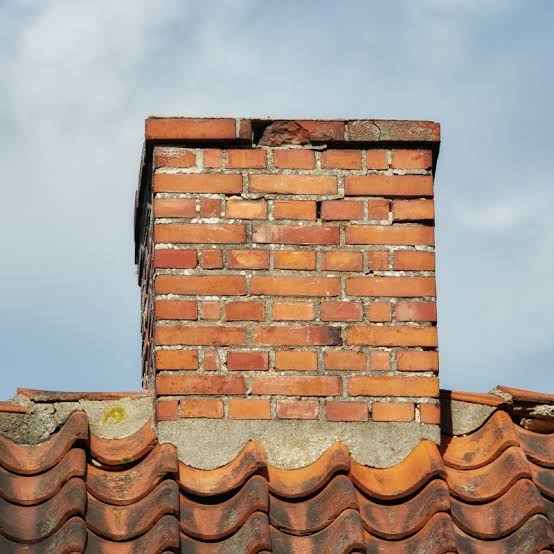
Most homeowners think about their chimney twice a year: when they light the first fire in October and when they notice something odd in spring. An annual chimney inspection fits somewhere in between, and it covers far more than a quick look up the flue. The National Fire Protection Association Standard 211 recommends inspections once a year for all chimneys, whether you burned wood every weekend or only used the fireplace twice. In Indianapolis, where winters run from November through March and humidity stays high the rest of the year, that recommendation holds up in practice.
What an Annual Chimney Inspection Actually Checks
A technician works through the chimney from bottom to top. Inside the firebox, they check the condition of the firebrick and refractory panels, looking for cracks, spalling, or gaps in the mortar joints. These materials handle temperatures above 1,000 degrees Fahrenheit, and even small cracks let heat transfer to surrounding wood framing.
Moving upward, the technician checks the damper plate and throat for corrosion, warping, or debris. A damper that doesn’t seal tightly lets conditioned air escape year-round and lets outside air push in. Above the damper, they inspect the smoke chamber and shelf for glazed creosote or mortar deterioration.
At the top, the chimney cap, crown, and flashing all get checked. Indianapolis freeze-thaw cycles hit masonry hard from December through February. Water that sits in hairline cracks, freezes overnight, and expands can turn a minor crack into a major repair within two or three winters.
Why Low-Use Fireplaces Still Need a Yearly Inspection
This comes up often. If you only burned three or four fires last winter, skipping the inspection seems reasonable. What usually happens is the problem wasn’t created by fire at all. Animals are the most common culprit. Squirrels, chimney swifts, and starlings nest inside uncapped or damaged flues between April and August in central Indiana.
A single bird nest blocks airflow and creates a fire hazard even if you never light a match. Beyond animals, moisture damage runs quietly all year. A cracked chimney crown lets rain funnel directly into the flue liner. Spalled brick on the exterior soaks up water during spring rains. None of this shows up inside your living room until the damage is already significant.
Gas fireplace owners often assume they’re off the hook entirely. Gas burns cleaner than wood, but the flue still collects moisture and can develop liner cracks or blockages. Carbon monoxide concerns make gas appliance venting worth checking every year regardless of use frequency.
What Level 1 and Level 2 Inspections Include
NFPA 211 defines three inspection levels. Most annual visits are Level 1. The technician checks all accessible portions of the chimney exterior and interior, plus the accessible parts of the appliance and the connection to the chimney. No special tools or equipment beyond a flashlight and mirror are required at this level.
A Level 2 inspection goes further. It covers everything in Level 1, plus all accessible areas inside the attic, crawl space, and basement where the chimney passes through. The technician also uses a video scanning system to inspect the full length of the flue liner from inside. Level 2 is required any time you sell or buy a home, change the heating appliance, or after a chimney fire or earthquake.
Level 3 is less common. It involves removing parts of the structure, such as chimney walls, to investigate hidden damage. Technicians only recommend Level 3 when Level 2 findings suggest serious problems that can’t be assessed any other way. For a standard annual chimney inspection with no known issues, Level 1 is typically what’s scheduled.
What Technicians Commonly Find in Indianapolis Chimneys
Crown deterioration shows up on a large share of Indianapolis homes, especially those built before 1990. The original crowns on many of those homes used regular mortar instead of a proper crown mix, and that material doesn’t hold up against freeze-thaw cycles. Tuckpointing needs are also common, particularly on the exterior brick above the roofline where sun and moisture exposure is highest.
Creosote buildup is the most frequent finding on wood-burning fireplaces, even in homes where the fireplace sees light use. Stage 1 creosote is a light, dusty deposit that a chimney sweep removes easily. Stage 2 is a flaky, tar-like coating that requires more aggressive tools. Stage 3 is hardened, glazed creosote that can take multiple treatments.
Flashing failures come up regularly too. The sheet metal seal between the chimney and the roof surface lifts over time as the roof expands and contracts. Water intrusion from failed flashing often shows up as staining on the ceiling near the chimney, sometimes years after the flashing first started leaking.
Before Your Inspection: What to Have Ready
- Clear the area around the fireplace opening so the technician has room to work
- Note any smells, sounds, or draft problems you noticed during the last heating season
- Know the age of your chimney liner if you have it from past inspections or home records
- Have the make and model of your gas insert or wood stove available if applicable
- Check whether your chimney cap is visible from the yard and flag if it looks damaged
- Keep pets in a separate room to avoid distractions during the inspection
- Schedule a chimney sweep at the same appointment if the annual chimney inspection reveals creosote buildup
How Long an Inspection Takes and What to Expect
A standard Level 1 annual chimney inspection runs 45 minutes to an hour for a single fireplace. Homes with two fireplaces or a fireplace plus a furnace flue sharing the same chimney can take 90 minutes. Level 2 inspections with video scanning add time, usually running two to two and a half hours total.
The technician will move between the firebox, the rooftop, and the exterior. A drop cloth usually goes down near the firebox opening to catch any debris from the flue. The process creates minimal mess, though some light soot dust is normal when the damper area gets checked.
After the inspection, the technician walks you through what they found. Reputable inspectors document findings with photos, especially for liner cracks or masonry damage that isn’t visible from the firebox. Ask for a written report if one isn’t offered automatically.
When to Schedule Your Annual Inspection in Central Indiana
Late summer, from August through early October, is the most practical window in Indianapolis. The heating season hasn’t started, so any repairs can be completed before the first fire. Scheduling also tends to be easier before the fall rush, when calls increase as temperatures drop in November.
Spring inspections, from March through May, work well too. Checking the chimney after winter use lets you catch any damage from the season just finished before moisture has months to make it worse. Some homeowners do both, especially after heavy ice storms or if they burned consistently through a cold winter.
What matters most is consistency. One annual chimney inspection per year, on whatever schedule fits your household, covers the baseline that NFPA 211 recommends and keeps small problems from turning into expensive ones.
Frequently Asked Questions
Do I need a chimney inspection if I only used the fireplace two or three times last winter?
Yes. Low use doesn’t protect against moisture damage, animal intrusion, or liner deterioration, all of which happen independent of how often you burn. A chimney that sat mostly idle through winter still spent months exposed to freeze-thaw cycles, humidity, and potential nesting activity. Annual inspection catches those issues before they compound.
What is the difference between a Level 1 and a Level 2 chimney inspection?
Level 1 covers all accessible areas of the chimney and appliance using visual tools only. Level 2 adds a video scan of the full flue liner interior and covers areas inside the home where the chimney passes through, like the attic or basement. Level 2 is required when you’re buying or selling a home, changing your heating appliance, or following a chimney fire.
How long does a chimney inspection take?
A single-fireplace Level 1 inspection typically takes 45 to 60 minutes. Add a second fireplace or a shared flue and expect closer to 90 minutes. Level 2 inspections with video scanning generally run two to two and a half hours. The technician will give you a better estimate once they know your chimney’s configuration.
Will the technician make a mess inside my home during the inspection?
Most technicians place a drop cloth at the firebox opening before they start. Some soot dust is normal when the damper throat and smoke shelf get examined, but a careful technician keeps it contained. If a chimney sweep is being done at the same visit, containment equipment around the firebox opening is standard practice to protect floors and furniture.
The Bottom Line on Annual Chimney Inspections
An annual chimney inspection is a straightforward check that covers far more than most homeowners realize, from the firebox floor to the chimney cap and everything in between. Scheduling one each year, regardless of how much you used the fireplace, keeps moisture damage, animal intrusion, and creosote problems from quietly getting worse. In Indianapolis, late summer through early fall is the most practical window, though a spring visit after a heavy heating season works just as well. One inspection per year is a reasonable standard, and it’s the same one the NFPA has recommended for decades.